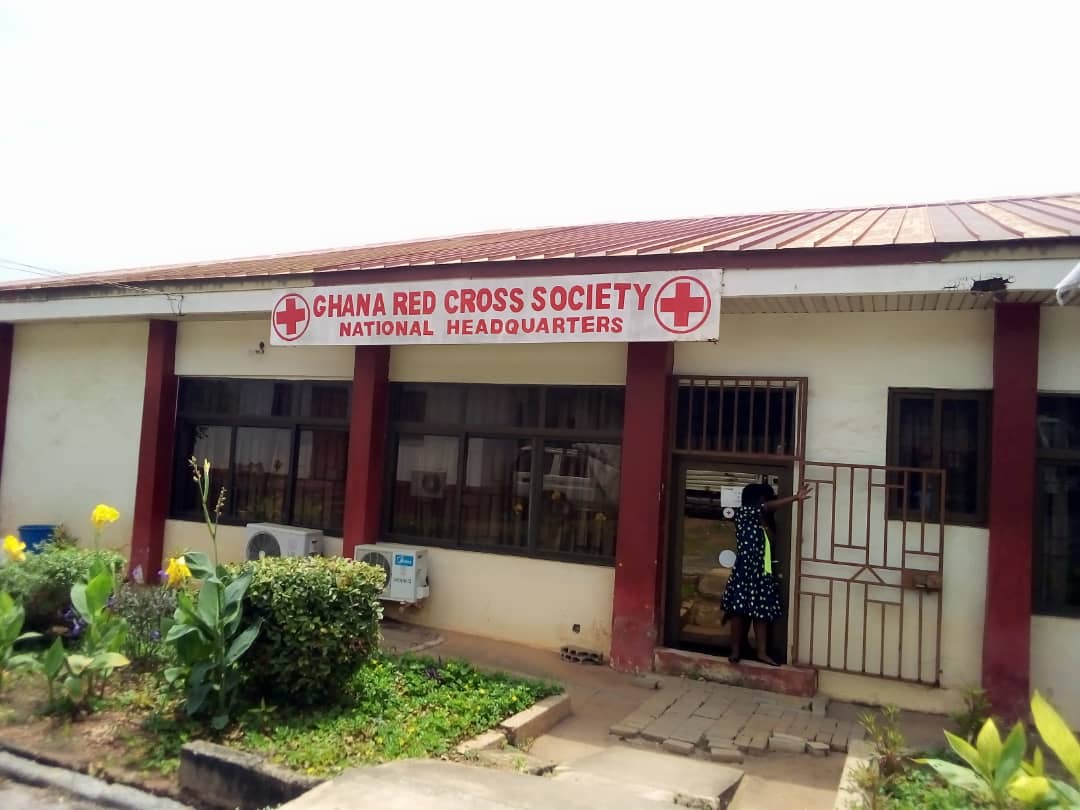
The Ghana Red Cross Society has expressed concern about the prolonged delay in passing the Ghana Red Cross Bill, warning that the absence of an updated legal framework is affecting its operational efficiency and capacity to respond effectively to humanitarian emergencies.
The concern was raised during the 2026 World Red Cross and Red Crescent Day in Accra on Friday, May 8, 2026, under the theme “United in Humanity.”
Addressing government officials, development partners, members of the diplomatic community, and other stakeholders, the President of the society, Dr. Edward Donkor, said delays in passing the bill were limiting the organization’s mandate and weakening its ability to function effectively as an auxiliary to the government in humanitarian response.
According to him, although efforts have been made to review the existing legislation, repeated parliamentary transitions have stalled the process, preventing the passage of a modern legal framework for the society.
“A contemporary humanitarian institution requires a legal framework that reflects present-day realities,” Dr. Donkor stated.
He explained that the absence of a revised law undermines coordination, accountability, and institutional effectiveness at a time when humanitarian needs in Ghana are increasing due to climate-related disasters, disease outbreaks, and growing socio-economic pressures.
Dr. Donkor noted that Ghana is increasingly becoming a multi-risk environment, with recurring floods, public health emergencies, and sanitation challenges placing significant pressure on national response systems.
“These evolving risks demand a stronger and more coordinated humanitarian response, backed by clear legal authority and institutional support,” he said.
The Ghana Red Cross President also expressed concern over what he described as the gradual erosion of the society’s auxiliary role to government, citing reduced representation on key national platforms and limited involvement in planning and decision-making processes.
He stressed that the Ghana Red Cross Society is not merely a non-governmental organization but a legally recognized partner to public authorities with a unique humanitarian mandate.
“The weakening of this role affects coordination and reduces efficiency in responding to emergencies,” he added.
Dr. Donkor has therefore called on Parliament to prioritize the passage of the Red Cross Act to provide the organization with stronger legal backing, improve service delivery, and enhance its ability to mobilize resources and partnerships for vulnerable communities.
He also reaffirmed the society’s commitment to transparency, accountability, and humanitarian service, noting that over the past four years, the organisation has taken steps to strengthen its internal governance systems.
Source: GNA