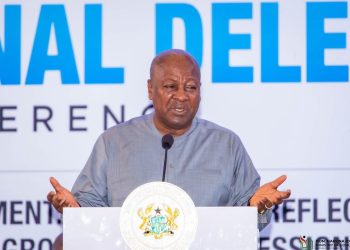
Mustapha Gbande, Deputy General Secretary of the National Democratic Congress (NDC), says illegal mining, commonly known as galamsey, has been significantly reduced but not completely eradicated.
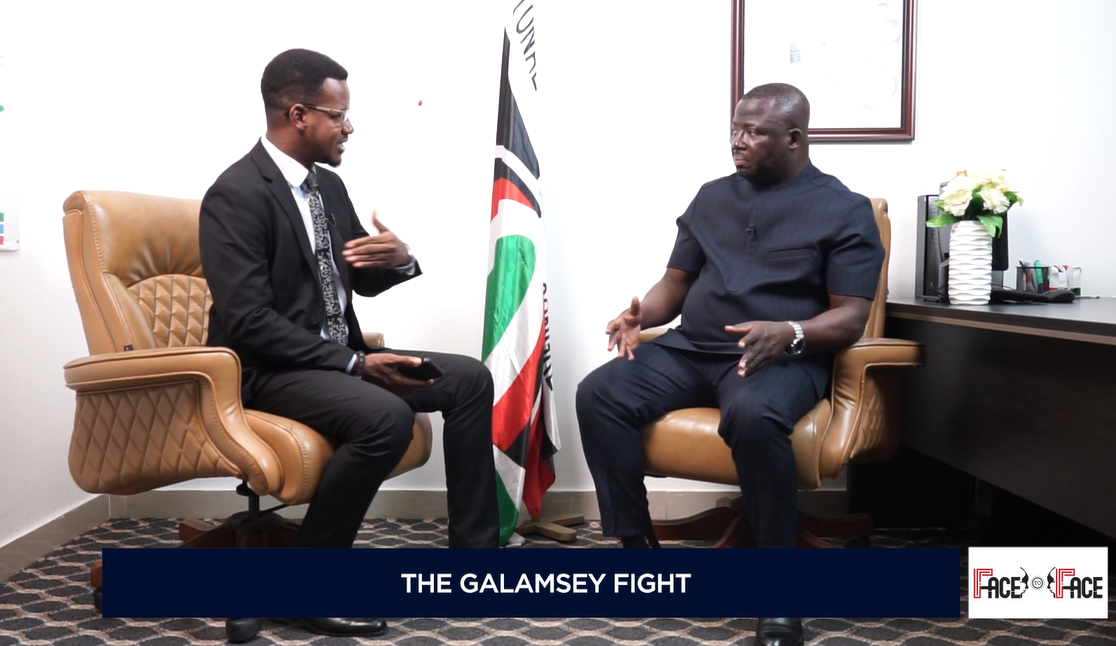
Speaking on Channel One TV’s Face to Face on Tuesday, May 12, he said government efforts have helped curb the impact of both legal and illegal small-scale mining, especially in forest reserves and water bodies.
“Galamsey has not ended. But we’ve been able to reduce it drastically,” he said.
Gbande explained that the fight against illegal mining has been organised around key strategic areas, including forest reserves, water bodies, and on-land small-scale mining activities.
He noted that a specialised and “combative” team has been deployed to protect water bodies and forest reserves, saying the team has been performing “very, very well” in enforcing mining restrictions in those areas.
According to him, government has also focused on regularising small-scale mining through initiatives such as community mining and cooperative mining groups to ensure better regulation and land reclamation after mining activities.
He added that the aim is not to eliminate small-scale mining entirely but to ensure it is done properly and responsibly.
Gbande further stated that law enforcement agencies continue to act against illegal miners regardless of political affiliation, although some individuals still engage in unlawful activities.
“There are some few people who are still involved in it, but that is why there’s a law, and that’s why law enforcement officers are there to ensure that they go after these people,” he said.
He stressed that both legal and illegal mining continue to exist side by side, with the key difference being licensing and adherence to proper procedures, including land reclamation after operations.
Gbande added that while progress has been made, galamsey has not been completely eliminated, but government interventions have significantly reduced its scale and impact.