The Ghana Cocoa Board (COCOBOD) is set to introduce cedi-denominated commercial notes to finance cocoa purchases from the 2026/27 crop season, in what officials describe as a significant restructuring of Ghana’s cocoa financing model.
The move marks a departure from the country’s long-standing syndicated loan arrangement and the more recent buyer-led funding system adopted after financing challenges disrupted the cocoa sector in recent years.
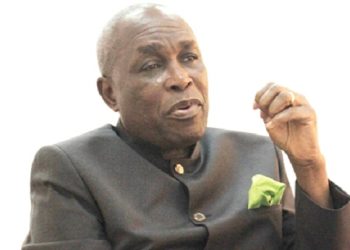
Chief Executive Officer of COCOBOD, Dr. Randy Abbey, disclosed the new strategy during a panel discussion at the maiden Africa Cocoa Finance and Investment Forum 2026 held at the London Stock Exchange.
According to him, the domestic financing framework is designed to reduce Ghana’s reliance on foreign off-takers while creating greater opportunities for local cocoa processors to access raw beans and expand value addition within the country.
“There was a need to look for a new funding model that we believed could be sustainable and also ensure that we are able to optimize local processing capacity,” Dr. Abbey stated.
Ghana’s traditional syndicated loan structure, which for years financed annual cocoa purchases through international banks, came under severe strain during the 2023/24 crop season, forcing COCOBOD to adopt a buyer-funded arrangement in subsequent seasons.
Under the interim model, international buyers and off-takers provided financing support for cocoa purchases. However, Dr. Abbey admitted that the system proved unsustainable amid payment delays and mounting operational pressures within the sector.
“We are hoping that with the 2026/27 season, we will be able to come up with a new financing model which will be a domestic fundraising model. We are actually going to come up with commercial notes,” he revealed.
The proposed commercial paper programme will be denominated in Ghana cedis and funded largely through domestic liquidity sources, including pension funds and institutional investors.
Dr. Abbey expressed confidence that improving macroeconomic conditions particularly easing interest rates and stronger liquidity levels in the local financial market make the timing appropriate for a transition to domestic financing.
“We have done the study and we believe that there is enough funding available. In fact, the pension funds alone are sitting on over $150 million in Ghana. So we believe that there is that capacity,” he explained.
He further indicated that the new structure is expected to provide more certainty for Licensed Buying Companies (LBCs) and strengthen confidence across the cocoa value chain once fully institutionalised.
“We believe that the interest rates in Ghana now are at the right place for us to go into the market and look at this funding,” he added.
Dr. Abbey disclosed that clear participation guidelines and operational frameworks for the commercial notes programme would be announced ahead of implementation.
Beyond financing reforms, COCOBOD is also proposing amendments to the Cocoa Board Act to introduce a more responsive cocoa pricing mechanism.
The proposed framework will maintain government’s commitment to pay cocoa farmers 70 percent of the declared Free on Board (FOB) price while allowing for periodic price adjustments to reflect movements in global cocoa prices and exchange rate fluctuations.
The reforms are expected to improve pricing transparency, enhance farmer income stability and strengthen the long-term sustainability of Ghana’s cocoa sector.
Dr. Abbey expressed confidence that all transaction advisory, procurement and fundraising arrangements for the new financing model would be completed ahead of the start of the 2026/27 cocoa season.
The planned shift comes at a critical time for Ghana’s cocoa industry as policymakers seek to stabilise production, improve local processing capacity and reduce the sector’s exposure to external financing risks amid heightened volatility in global commodity markets.