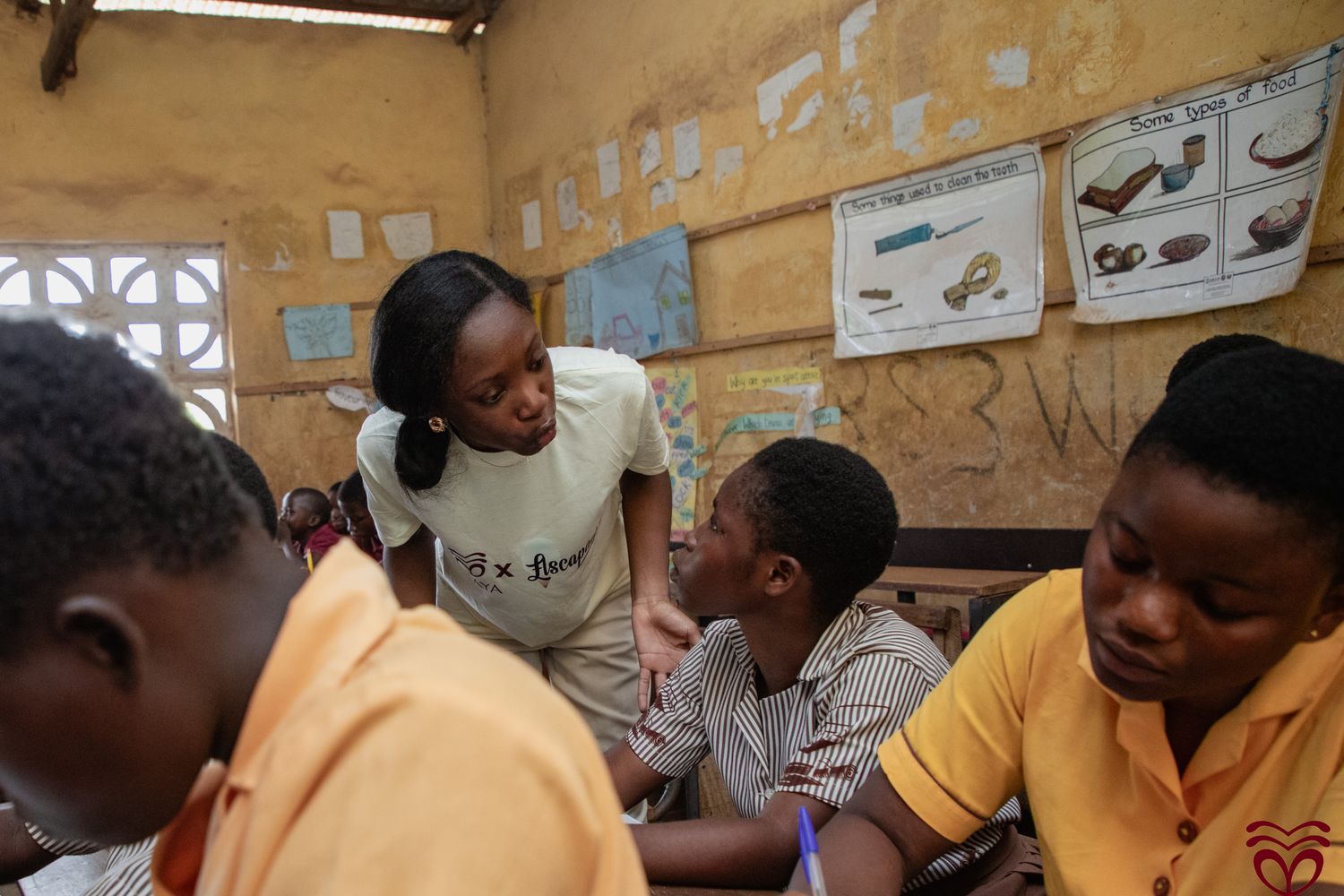
A growing body of nutrition research is raising concerns that one of the biggest obstacles to educational performance in Ghana may not be found in classrooms, but in the nutritional status of children arriving in them every day.
Health and nutrition experts are warning that widespread iron deficiency and anaemia among school-aged children are silently weakening concentration levels, cognitive development and academic outcomes, with potentially serious implications for Ghana’s future workforce and economic competitiveness.
The warning follows recent findings from researchers at the University of Ghana, who describe iron deficiency as an under-recognised public health and development challenge that continues to affect vulnerable communities across the country.
A field study conducted between 2024 and 2025 in Kyekyewere, a farming community in the Ayensuano District of the Eastern Region, recorded anaemia prevalence levels of up to 78 percent among children significantly higher than national estimates already considered elevated by health experts.
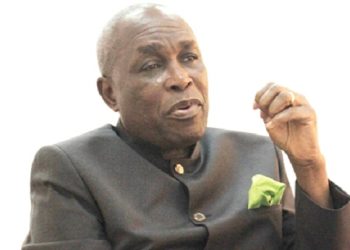
According to Matilda Steiner-Asiedu, a Professor at the Department of Nutrition and Food Science at the University of Ghana, the condition is directly affecting children’s ability to learn and function effectively in school.
“When iron levels are low, oxygen supply to the brain is affected,” she explained. “Children become tired, less attentive and unable to sustain concentration in class.”
The Nutrition-Education Link
Medical experts say iron is a critical micronutrient required for brain development, blood production and energy metabolism. A deficiency can impair memory, reduce alertness and weaken problem-solving ability, all of which are essential for effective learning.
The World Health Organization identifies iron deficiency as the world’s most common nutritional disorder, particularly affecting women and children in low- and middle-income countries.
In Ghana, however, specialists argue that the condition remains insufficiently integrated into national education and development conversations.
Children struggling academically are often perceived as weak learners, despite evidence suggesting nutritional deficiencies may be a major contributing factor.
“Many of these children are not incapable,” Prof Steiner-Asiedu said. “Their nutritional condition is affecting their performance.”
Researchers say the consequences extend beyond school examinations and classroom participation. Poor nutrition during childhood has been linked globally to lower productivity levels, reduced income potential and weakened economic participation in adulthood.
Diet Quality Under Scrutiny
The study in Kyekyewere found that many children consumed heavily carbohydrate-based diets with limited dietary diversity.
Meals commonly consisted of staples with minimal protein intake and low levels of iron-rich foods. Researchers also observed low consumption of fruits rich in vitamin C, which is essential for improving iron absorption from plant-based diets.
Nutrition researcher Elliot Annor-Asante said roughly 60 percent of children surveyed were not consuming adequate vitamin C sources, reducing the body’s ability to effectively absorb iron.
As a result, even children consuming vegetables or legumes may still remain iron deficient.
Health conditions such as malaria and parasitic infections are further worsening the situation by contributing to blood loss and reducing iron reserves in already vulnerable children.
A Long-Term Economic Risk
Development economists increasingly view childhood nutrition as central to national productivity and human capital formation.
Experts warn that persistent anaemia among children could eventually translate into lower workforce efficiency, weaker innovation capacity and slower economic advancement.
“It is not only a health issue,” Prof Steiner-Asiedu noted. “It is a development issue.”
The warning comes as Ghana continues efforts to strengthen human capital development and improve outcomes under the United Nations Sustainable Development Goals, particularly those focused on education, health and poverty reduction.
Analysts say failure to address micronutrient deficiencies could undermine gains made in school enrolment and educational access if children remain unable to fully benefit from classroom instruction.
Affordability Pressures and Food Access
Although Ghana produces several iron-rich foods locally including kontomire, turkey berries, beans and leafy vegetables access remains uneven for many households.
Seasonal price increases, especially during dry periods, often place nutritious foods beyond the reach of low-income families, forcing households to prioritise cheaper meals with lower nutritional value.
Experts say the issue highlights broader structural challenges involving food affordability, income inequality and nutrition awareness.
“There are nutritious foods available locally,” Prof Steiner-Asiedu said. “But utilisation and access remain major concerns.”
Renewed Focus on Iron Awareness
The debate has revived attention on previous nutrition campaigns aimed at addressing iron deficiency in Ghana.
In 2019, Nestlé Ghana launched a national awareness initiative to educate the public on the dangers of iron deficiency and the importance of balanced diets.
The campaign formed part of a broader global commitment to improve child nutrition and health outcomes.
While nutrition experts acknowledge the value of such programmes, they stress that awareness alone will not solve the problem without sustained community engagement, stronger policy coordination and broader public education.
Prof Steiner-Asiedu believes future interventions must incorporate local languages, schools, health facilities and community leaders to achieve meaningful behavioural change.
Beyond the Classroom
Experts insist the findings from Kyekyewere should serve as a national wake-up call.
Addressing Ghana’s education challenges, they argue, will require more than curriculum reforms and classroom infrastructure. It will also demand investment in nutrition, public health and food systems capable of supporting children’s physical and cognitive development.
Without urgent intervention, the country risks nurturing a generation of students whose potential is limited not by intelligence or ambition, but by preventable nutritional deficiencies.
And for a country seeking to build a competitive and productive workforce, that may prove to be one of the most expensive hidden costs of all.