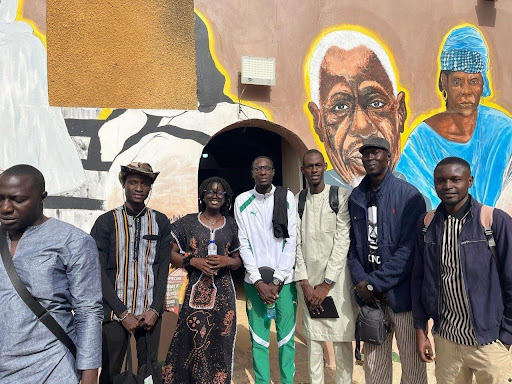
A major debate on colonial reparations was held on May 9 on Gorée Island, where pan-African activists, researchers and civil society representatives gathered to discuss justice for crimes linked to slavery, colonization and neo-colonialism in Africa.
The roundtable, organized by the International Movement for Reparations (MIR) and Africa First under the theme “Justice and Reparations”, brought together Senegalese youth groups and several pan-African organizations including Thiaroye 44, Fipan, Urgences Panafricanistes, JIF’Afrik, Karbone 14 and Frapp.
The discussions centered on whether Senegal and other African countries should formally demand reparations from France for crimes committed during slavery, colonization and the neo-colonial era, particularly the massacre of Thiaroye.
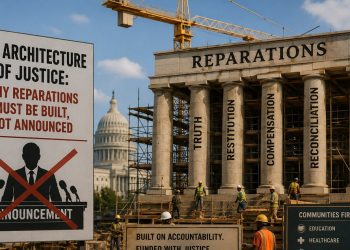
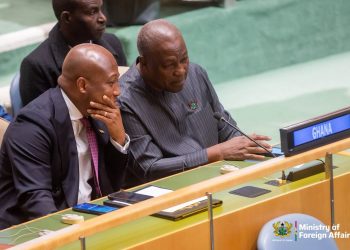
The event came shortly after the adoption of a United Nations resolution introduced by Ghana recognizing slavery and colonialism as among the gravest crimes against humanity. Participants described the resolution, as an important first step that must now be followed by concrete action from African states.
Holding the debate on Gorée Island carried strong symbolism. The island was one of the major centers of the transatlantic slave trade on the West African coast between the 15th and 19th centuries.
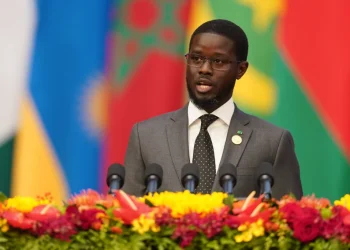
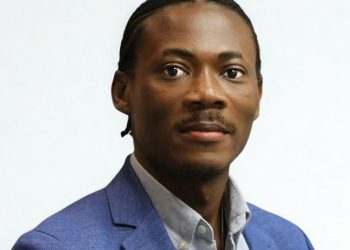
Among the key speakers were Dr. Dialo Diop, vice president of Pastef in charge of Pan-Africanism and special adviser to the Senegalese president, sociologist and researcher Saliou Diop, and historian Mouhamed Goloko, who was born in Thiaroye.
Goloko argued that Senegal must build a comprehensive legal and historical dossier documenting injustices committed from slavery to neo-colonialism in order to support future reparations claims against France.
“We must identify all the injustices suffered by Senegal during slavery, colonization and neo-colonialism and build a complete dossier to address these questions with France,” he said.
The historian also called for African countries to reclaim control over their historical narratives.
“We must dismantle the Western narrative and move toward an African history written by Africans and for Africans,” Goloko stated, accusing France of maintaining a “state lie” about the Thiaroye massacre.
The massacre took place on December 1, 1944, after African soldiers who had fought for France during World War II returned to Dakar and demanded unpaid wages. French troops opened fire on the soldiers after protests erupted. The exact death toll remains disputed, with France officially recognizing only dozens of victims while many researchers believe hundreds were killed.
Saliou Diop focused on the legal dimension of reparations and called for coordinated African action. He referred to a recent Paris court ruling condemning the French state for concealing the circumstances surrounding the death of an African rifleman during the Thiaroye massacre.
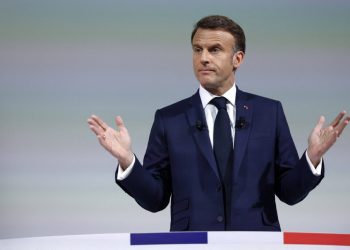
“France is still refusing real dialogue on reparations and justice,” Saliou Diop said, criticizing Paris for abstaining during the UN vote on the Ghana-backed resolution.
He urged African countries to use regional and international courts, including the African Court on Human and Peoples’ Rights, to pursue legal action against former colonial powers.
“There has been a complete refusal to give our historians access to colonial archives,” he added. “We have the impression that power relations are the only language they understand.”
The speakers agreed that the Thiaroye massacre should not be treated solely as a Senegalese issue because many of the victims came from different African territories. According to them, demands for justice and reparations can only succeed through coordinated continental action.
Goloko pointed to Ghana’s UN initiative as an example for francophone African countries to follow collectively.
“As long as we pursue this search for truth individually, we will always lose,” he warned.
The conference at Gorée reflected the growing momentum of reparations movements across Africa, where activists and intellectuals are increasingly calling for legal action, historical recognition and a pan-African strategy to confront the legacy of colonialism.