



A new study on extreme urban heat in Accra has revealed that surface heat levels have risen significantly across low, middle and high-income communities over the past 25 years, raising fresh concerns over the growing climate vulnerability of Ghana’s capital.
The research found that communities including East Legon, Cantonments, Achimota, Osu, Chorkor, Chemuenaa and Abossey Okai have all experienced increasing urban heat levels regardless of income status.
The findings were presented at a stakeholder engagement on “(Mal)adaptation to Extreme Urban Heat: At What Cost and To Whom?” held at AH Hotel in Accra on June 9, 2026.
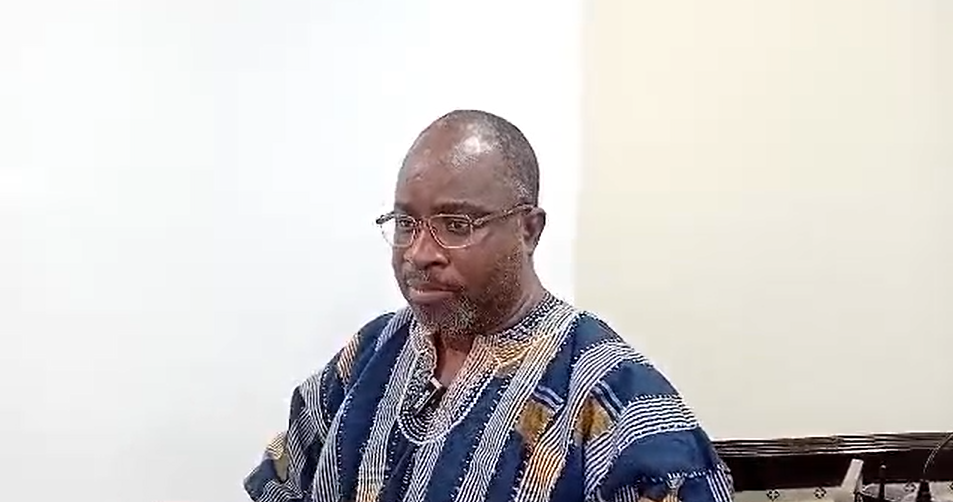
Speaking at the event, Professor of Environmental and Sustainability Science at the University of Cape Coast, Professor Frederick Ato Armah, warned that poor urban planning, weak enforcement of building regulations and inconsistent implementation of climate adaptation policies are worsening the crisis.
According to him, although policy documents within the Greater Accra Metropolis contain strong climate adaptation guidelines, implementation has not been systematic, while accountability mechanisms and clearly assigned responsibilities remain lacking.
“Building regulations have been flouted in certain instances, but nothing has been done about them in a long-term manner,” he stated.
The study further revealed disparities in how extreme heat affects residents, with women experiencing greater impacts than men, while indoor workers were found to be more vulnerable to heat exposure than outdoor workers.
Researchers say the findings highlight the urgent need for climate adaptation policies tailored to vulnerable groups and specific community realities.
The stakeholder engagement brought together participants from multiple sectors to deliberate on the growing threat of urban heat and climate maladaptation in Accra, as well as explore how institutions can support inclusive adaptation responses and build socially sound and climate-resilient cities.
The research team included Principal Investigator and Associate Professor of Sustainability Science at the Lund University Centre for Sustainability Studies, Maryam Nastar; Professor Frederick Ato Armah of the University of Cape Coast; and Dr. Amanda Odoi, a Postdoctoral Researcher at the Lund University Centre for Sustainability Studies.
The research was funded by the Swedish Research Council for Sustainable Development.
Explore the world of impactful news with CitiNewsroom on WhatsApp!
Click on the link to join the Citi Newsroom channel for curated, meaningful stories tailored just for YOU:
https://whatsapp.com/channel/0029VaCYzPRAYlUPudDDe53x
No spam, just the stories that truly matter! #StayInformed #CitiNewsroom #CNRDigital