The Chief Executive of the Chamber of Bulk Oil Distributors (CBOD), Dr. Patrick Ofori, says fuel prices in Ghana could have been significantly lower if not for disruptions to the global petroleum supply chain caused by ongoing international conflicts.
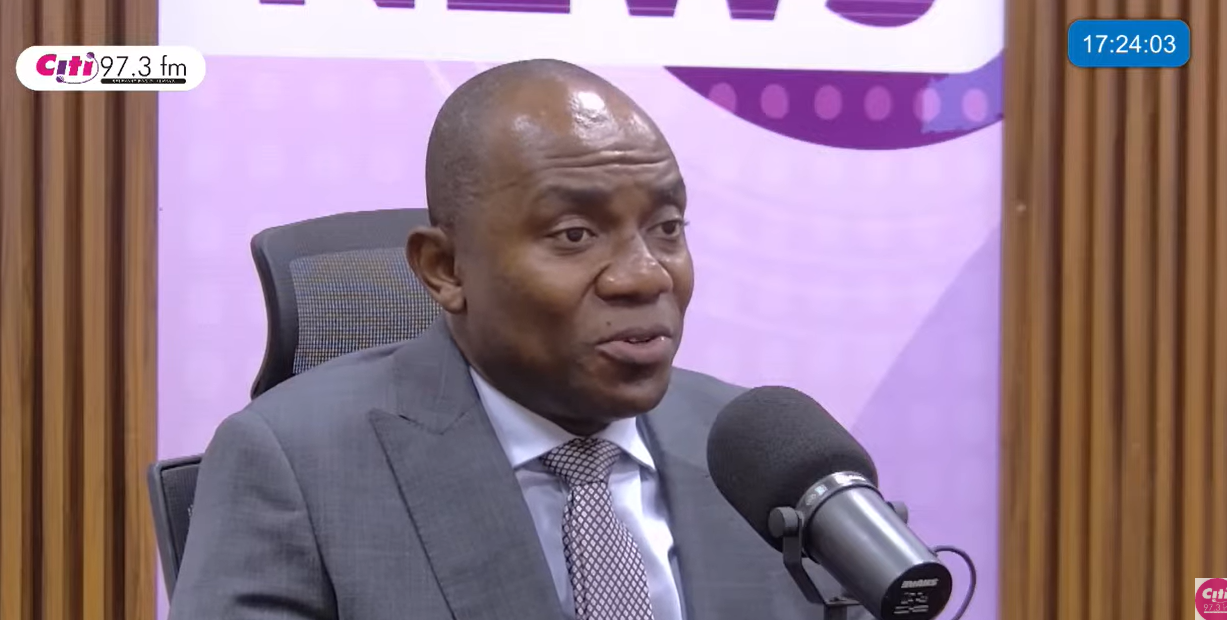
Speaking on Citi Eyewitness News on Tuesday, June 16, Dr. Ofori said the US-Israel war affected global oil markets, leading to sharp increases in fuel prices over the past year.
According to him, petrol prices rose by about 88 percent, while diesel prices nearly doubled during the period due to rising international costs.
“From January, pump prices almost doubled. Petrol increased by about 88 percent, and diesel was almost 100 percent higher in terms of the price at which we were buying the products,” he said.
Dr. Ofori noted that current market conditions suggest fuel could be selling for between GH¢9 and GH¢10 per litre if geopolitical tensions had not disrupted global supply chains.
“If there was no war, and looking at where the Bank of Ghana auction rate is today, we would be buying these products at around GH¢9 or GH¢10 at most,” he stated.
He explained that beyond the rise in crude oil prices, the conflict created significant challenges for shipping and logistics.
According to him, some vessels carrying petroleum products were unable to move freely, reducing the number of available ships and increasing demand for the remaining vessels.
The situation, he said, caused freight charges to surge dramatically.
“Before the war, the cost of chartering a vessel to transport products to Ghana was far lower. Once the conflict started, some of those costs increased more than five-fold,” he explained.
Insurance costs also escalated sharply as shipping companies faced increased risks operating in conflict-affected regions.
Dr. Ofori said some vessels that previously required insurance cover of about $3 million saw premiums rise to as much as $17 million, while some insurers refused to provide cover altogether.
He noted that these developments discouraged some shipping operators from entering affected areas, further tightening global supply.
The Chamber CEO added that uncertainty over the duration of the conflict also contributed to higher prices as suppliers and traders sought to secure products amid fears of prolonged disruptions.
He revealed that some international suppliers prioritised markets where they had large retail networks and contractual obligations, forcing buyers in countries such as Ghana to seek alternative sources of supply.
Dr. Ofori said Ghana remains vulnerable to such shocks because it lacks a substantial strategic petroleum reserve that could cushion the country during periods of supply disruption.
He explained that building and maintaining strategic fuel stocks requires dedicated funding mechanisms, which many countries have established through special levies or other long-term financing arrangements.
His comments come as global oil prices decline following reports of a peace agreement between the United States and Iran, raising expectations that fuel prices in Ghana could fall in the coming pricing window if the downward trend on the international market is sustained.