Government is pressing ahead with plans to ensure Ghana’s lithium resources are processed locally rather than exported as raw materials.
This is part of a broader strategy to maximize value from the country’s mineral wealth and drive industrialization.
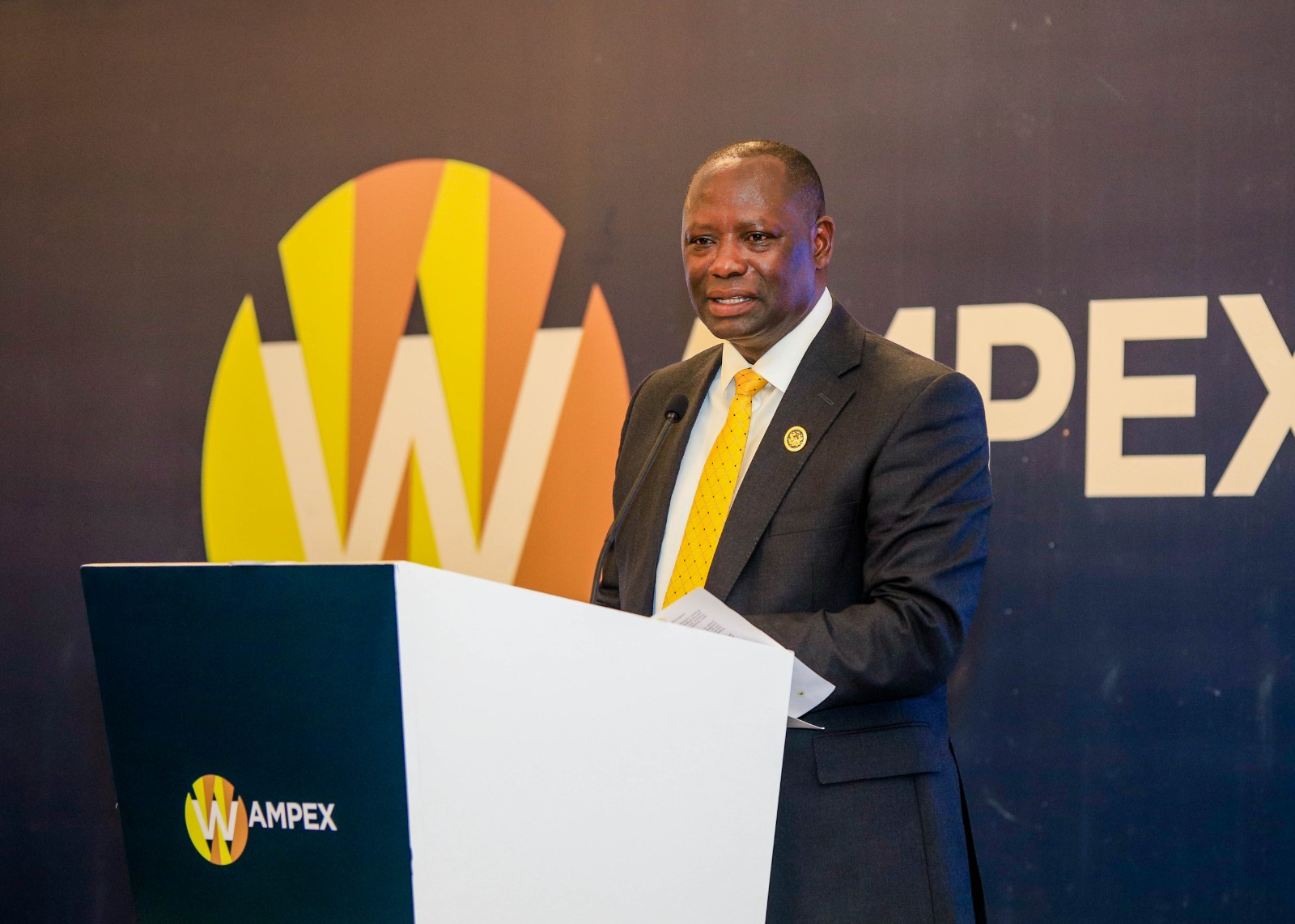
Speaking at the opening of the 19th edition of the West African Mining and Power Expo (WAMPEX), Lands and Natural Resources Minister Emmanuel Armah-Kofi Buah said Ghana is taking deliberate steps to move beyond the traditional extractive model by developing downstream industries linked to its mineral resources.
“Ghana is taking deliberate steps to move up the mining value chain from extraction to refining, processing and industrial use so that more of the value generated from our mineral resources is retained within the national economy,” he said.
Emmanuel Armah-Kofi Buah noted that government is prioritising sectors where Ghana has a comparative advantage and can create additional value through local processing and manufacturing.
He cited the efforts of the Ghana Integrated Aluminium Development Corporation (GIADEC), working alongside VALCO, to develop an integrated aluminium industry spanning bauxite mining, alumina refining and aluminium smelting.
The Minister also highlighted the role of the Ghana Integrated Iron and Steel Development Corporation (GIISDEC), which is leading efforts to establish a domestic iron and steel industry anchored on the country’s iron ore deposits.
On lithium, Emmanuel Armah-Kofi Buah said government is determined to ensure that the emerging critical mineral contributes meaningfully to industrial development and job creation within Ghana.
“As global demand for lithium, a critical input for modern technologies, continues to rise, Ghana is committed to ensuring that its lithium resources are not simply extracted and exported as raw materials, but that value addition takes place here in Ghana,” he stated.
The Minister stressed that Ghana’s ambitions extend beyond lithium extraction and beneficiation to the development of a battery manufacturing ecosystem.
“Lithium’s ultimate product is batteries that are needed for the vehicles of the future. Anybody who comes to talk about lithium should also be talking to us about how those batteries will ultimately be produced in Ghana,” he remarked.