The government has announced plans to recruit 50 Arabic teachers by the end of July as part of efforts to address the acute shortage of instructors in Islamic schools across the country.
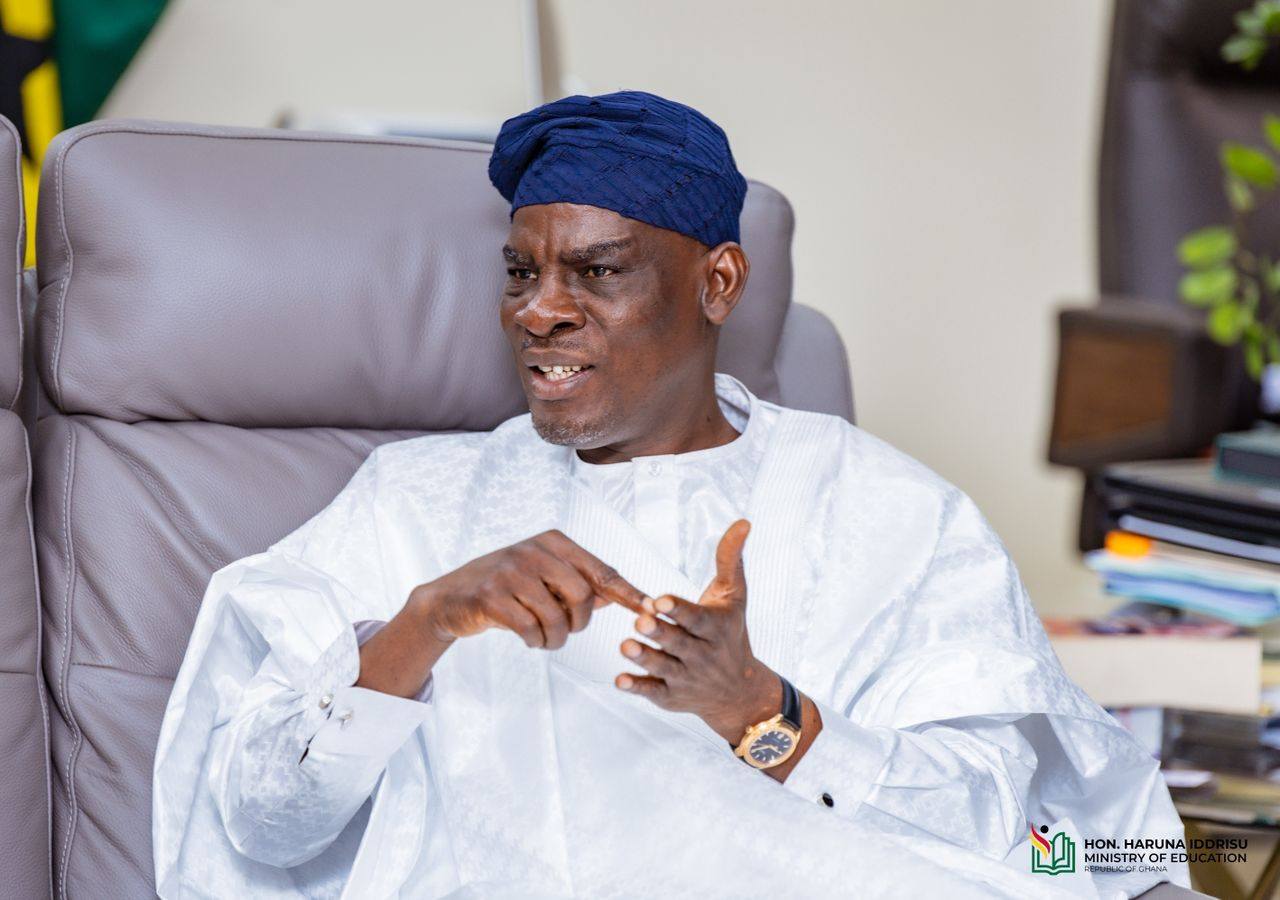
Minister for Education, Haruna Iddrisu, disclosed the plan during a meeting with a delegation from the Conference of Regional Chief Imams in Accra, assuring the delegation of government’s commitment to strengthening Islamic education and improving learning outcomes.
According to a statement issued by the Conference of Regional Chief Imams and copied to GNA, the initial recruitment will be followed by the employment of an additional 500 permanent Arabic teachers through the Ghana Education Service in January 2027 to further bridge the staffing gap in Islamic schools.
The Minister reaffirmed government’s readiness to work closely with the Conference of Regional Chief Imams and the Islamic Education Unit to improve access to quality Islamic education across the country. He also commended the Conference for its continued engagement with government on issues affecting the Muslim community.
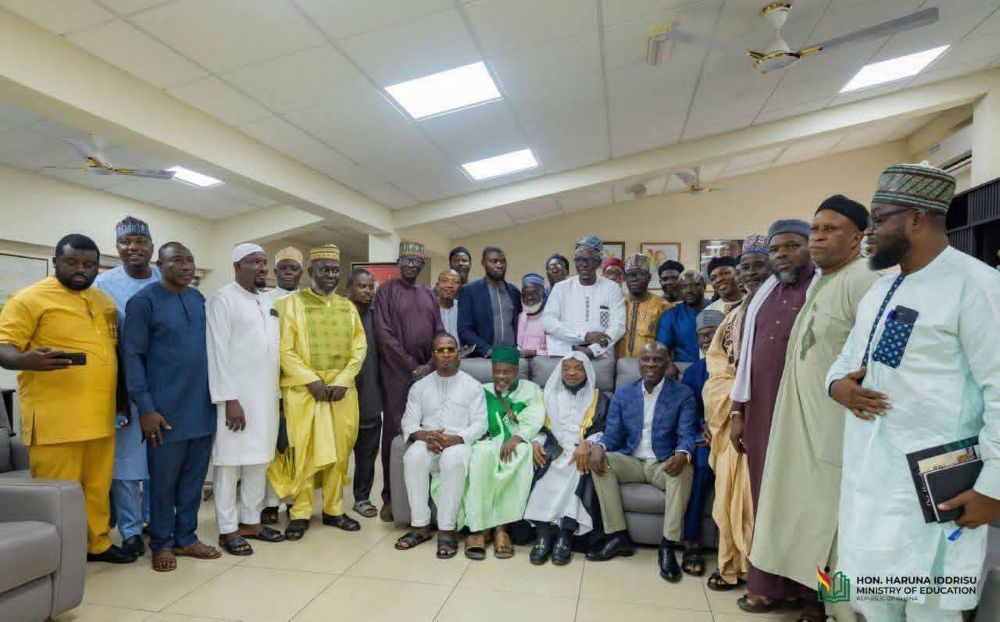 The delegation, led by Chairman of the Conference of Regional Chief Imams, Sheikh Abdul Rashid Iddi, included Regional Imams of Ahlussunna Wal-Jama’a, Regional Imams of the Ghana Muslim Mission, representatives of the Islamic Education Unit and officials from the Office of the National Chief Imam.
Explaining the purpose of the visit, Sheikh Rear Admiral Muniru Tahiru (Rtd) said it was initiated at the request of the National Chief Imam, Sheikh Dr Osman Nuhu Sharubutu, who is concerned about the growing shortage of Arabic teachers and its impact on the quality of Islamic education.
Presenting the sector’s challenges, General Manager of the Islamic Education Unit, Abdul Karim Bapuni, said Ghana currently has 1,299 Islamic basic schools but requires about 3,033 Arabic teachers to adequately meet demand.
He disclosed that only 706 Arabic teachers are currently on the government payroll, leaving a deficit of about 2,512 teachers nationwide.
Mr. Bapuni also highlighted the absence of a standardised Arabic curriculum and textbooks at the primary school level, inadequate resources for monitoring and supervision, and poor office infrastructure as key challenges affecting educational standards and learning outcomes in Islamic schools.