


The Vehicles and Assets Dealers Union of Ghana (VADUG) has expressed concern over the increasing presence of Chinese automobile brands in Ghana, warning that the trend is putting significant pressure on local vehicle dealers and threatening thousands of jobs in the sector.
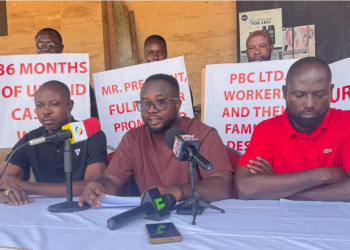
Speaking at a press conference in Accra on Thursday, June 11, 2026, VADUG President Bernard Ntrakwa said Chinese automobile manufacturers and assemblers are increasingly importing, assembling, and retailing vehicles directly in Ghana, creating what the union describes as an uneven competitive environment for local dealers.
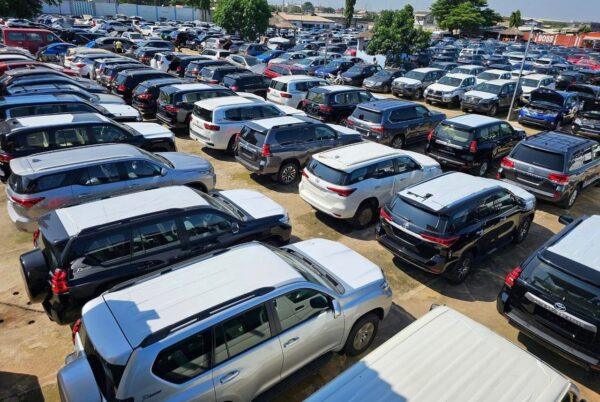
According to the union, while local dealers continue to import used vehicles from markets such as the United States, Europe, and Japan and pay between 35 and 50 per cent in taxes and duties, Chinese vehicle assemblers importing semi-knocked-down (SKD) and completely knocked-down (CKD) kits benefit from duty exemptions under Ghana’s automotive policy.
VADUG argues that the tax disparity has allowed Chinese brands to gain a stronger foothold in the market, reducing the market share of local dealers and increasing the period vehicles remain unsold.
“We do not oppose foreign investment. But this current trend is unsustainable,” the union said.
The association also questioned the growing involvement of Chinese automobile companies in both the distribution and retail segments of Ghana’s vehicle market. It argued that major manufacturers from countries such as the United States, Japan, Germany and South Korea have traditionally relied on local dealership networks rather than engaging directly in retail activities.
Beyond competition concerns, VADUG warned that Ghana risks becoming a destination for older internal combustion engine vehicles as China accelerates its transition towards electric vehicles and plans to reduce dependence on petrol and diesel-powered vehicles.
“Without strict regulation from GSA, DVLA, and GIPC, Ghana risks becoming a dumping ground for substandard cars. That is a safety and environmental time bomb,” the union stated.
The union is therefore calling on the government to review existing tax and duty structures to create a more level playing field for local dealers while ensuring stricter enforcement of investment and retail regulations.
VADUG also wants authorities to strengthen vehicle quality, safety and warranty standards and provide financing and capacity-building support for local automobile dealers through institutions such as the Ghana EXIM Bank.
In addition to concerns about Chinese vehicle imports, the union criticised the government’s AI Publican System used for customs valuation at the ports, claiming it has significantly increased import costs by assigning what it describes as inflated values to imported vehicles.
According to VADUG, the valuation mechanism often results in higher duties than expected, making it more expensive for local dealers to remain competitive in an increasingly crowded market.
The union has called on the Ghana Revenue Authority and the government to engage industry stakeholders on possible reforms, including the introduction of a flat-rate duty regime for vehicles and spare parts to improve transparency and predictability in the sector.