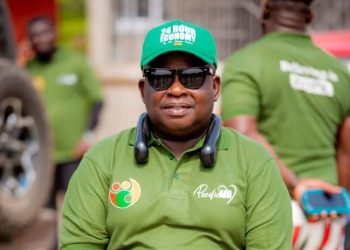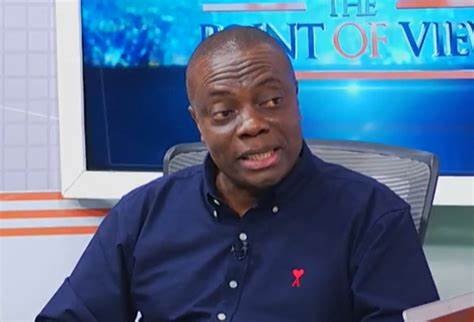
Mussa Dankwah, Executive Director of Global InfoAnalytics, has rejected suggestions that his firm’s flagbearer polls are fuelling instability within the National Democratic Congress (NDC), arguing instead that the surveys are helping to sanitise the race by providing aspirants with a realistic assessment of their chances.
His comments come in response to criticism that ongoing polling on the NDC’s future leadership contest is creating confusion and tension within the governing party.
Speaking on the matter in a video sighted on X, Mussa Dankwah questioned whether the criticism stemmed from perceptions that he is aligned with the NDC, insisting that the work of Global InfoAnalytics should be seen as a tool for informed decision-making rather than a source of division.
“I’ve had calls from people telling me all sorts of things. Look, let me tell you, if nothing at all, the NDC should be thanking me for helping sanitize the race coming,” he said.
Citing the New Patriotic Party’s 2007 presidential primary as an example, Mussa Dankwah argued that the absence of credible polling at the time contributed to an overcrowded contest involving 17 aspirants, many of whom believed they had a realistic chance of winning.
“Let’s remember in 2007, there was no polling in this country and every aspirant, everybody who thought he had a chance was contesting to run NPP.
“What happened? We had 17 candidates thinking that they could win. And up to today, the party is paying for that price.”
According to him, the availability of credible polling data helps potential candidates gauge both public and delegate sentiment, enabling those with limited support to reconsider their ambitions before investing significant resources in a race they are unlikely to win.
“If Global Info had been in existence, helping aspirant or hopeful understand the thinking of the people and the thinking of the delegates, some of them would have ruled themselves out.
“They wouldn’t have allowed themselves to be manipulated by people who have interest in just making money out of them. They would have scaled it down to a reasonable number.”
Mussa Dankwah maintained that the polls should be seen as a mechanism for preventing overcrowded contests and promoting a more orderly electoral process within political parties.
“NDC must look beyond just the polls and understand that what we are doing is helping those who may have ambition but have no chance to reconsider their options and avoid overcrowding the race.”
He further revealed that some prospective aspirants had privately commissioned polling from Global InfoAnalytics and subsequently abandoned their ambitions after the findings showed they lacked sufficient support.
“One thing, if nothing at all, they should give us credit for doing that because some people have come to us, some people who thought they had chances have come to us and they’ve done private polling and the poll had indicated that they are not viable and they have shelved their ambition.
“Thank to us. They are happy they have not allowed themselves to be deceived by any media person saying you are on the ground.”