World Vision Ghana has disclosed that more than 10,000 Burkinabe asylum seekers had sought safety in Ghana as of May 2025, fleeing armed conflict, extremist violence, and climate-related shocks in their home country.
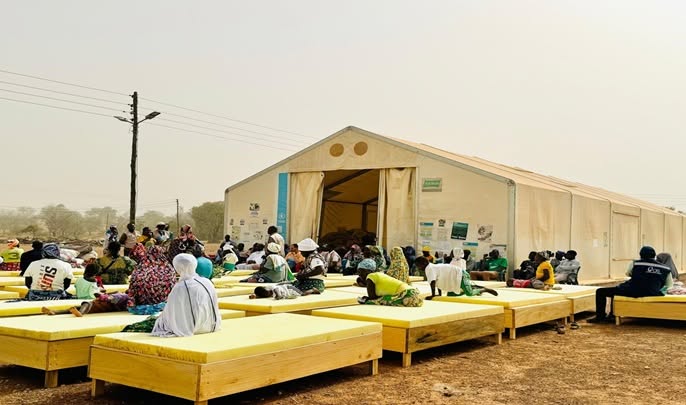
The asylum seekers are being hosted in communities across northern Ghana, including Tarikom, Zini, Fielmo, Bansi, and Issakatinga.
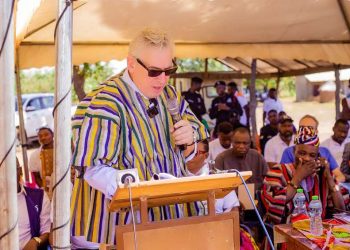
Speaking at a stakeholder engagement in Bolgatanga to mark World Refugee Day 2026, the Strategy and Integrated Programmes Director of World Vision Ghana, Joshua Roland Baidoo, said the crisis in Burkina Faso and the wider Sahel region continues to force thousands of people across Ghana’s northern border in search of safety.
The event was held under the theme, “Beyond Survival: Ensuring Long-Term Safety, Security, and Co-existence for Refugees.”
According to Baidoo, children remain the most vulnerable among displaced populations, noting that they account for nearly 40% of refugees globally. He said many refugee children face disrupted education, increased risks of abuse and exploitation, and psychosocial trauma.
“In Ghana’s refugee-hosting communities, far too many children have grown up knowing only displacement. That is the moral crisis that demands our response,” he said.
Baidoo explained that World Vision Ghana, through its BORDER Project funded by PATRIP and implemented in partnership with the Ghana Refugee Board, is supporting refugee-hosting communities in the Upper East and Upper West regions.
He said the project focuses on protection, livelihoods, and social cohesion to ensure both refugees and host communities benefit from humanitarian interventions.
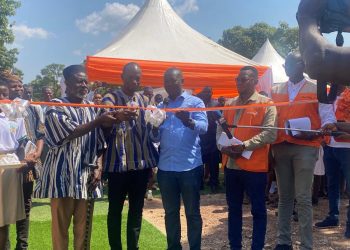
As part of the support, World Vision Ghana, working with the Ghana Refugee Board and the UN Refugee Agency (UNHCR), has installed mechanised water systems at the Tarikom and Zini refugee camps, supplying more than 500 cubic metres of safe water daily to over 5,000 people.
The organisation is also constructing 54 communal toilets, 90 household toilets, and 130 bathing units to improve sanitation conditions in the camps.
Baidoo further disclosed that more than 5,000 refugee households have received cash transfers through a partnership with the World Food Programme, while over 500 children have been provided with clothing and educational materials.
He added that private sector partners, including Unilever Ghana, have supported refugee children with oral hygiene kits.
While commending host communities for accommodating the asylum seekers, Mr Baidoo called on the government, development partners, and donors to sustain support for refugees through long-term protection and integration measures.
“Beyond Survival is more than a call; it is a commitment. We must move beyond emergency response towards long-term safety, security, and co-existence until every person forced to flee finds not only refuge but a future,” he said.
The Upper East Regional Coordinator of the Ghana Refugee Board, Sika Agbesi, said the board had registered 5,576 refugees in the region, with 2,380 relocated to the Tarikom Refugee Camp, where humanitarian assistance is being provided.
He appealed for increased support, particularly skills training programmes, to help refugees secure sustainable livelihoods and integrate into their host communities.
The Bawku West District Chief Executive, James Ayamwego, commended World Vision Ghana and its partners for complementing government efforts and called for collective action to address the growing refugee situation.
Source: GNA