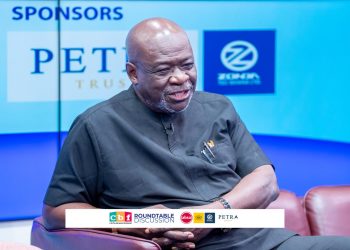



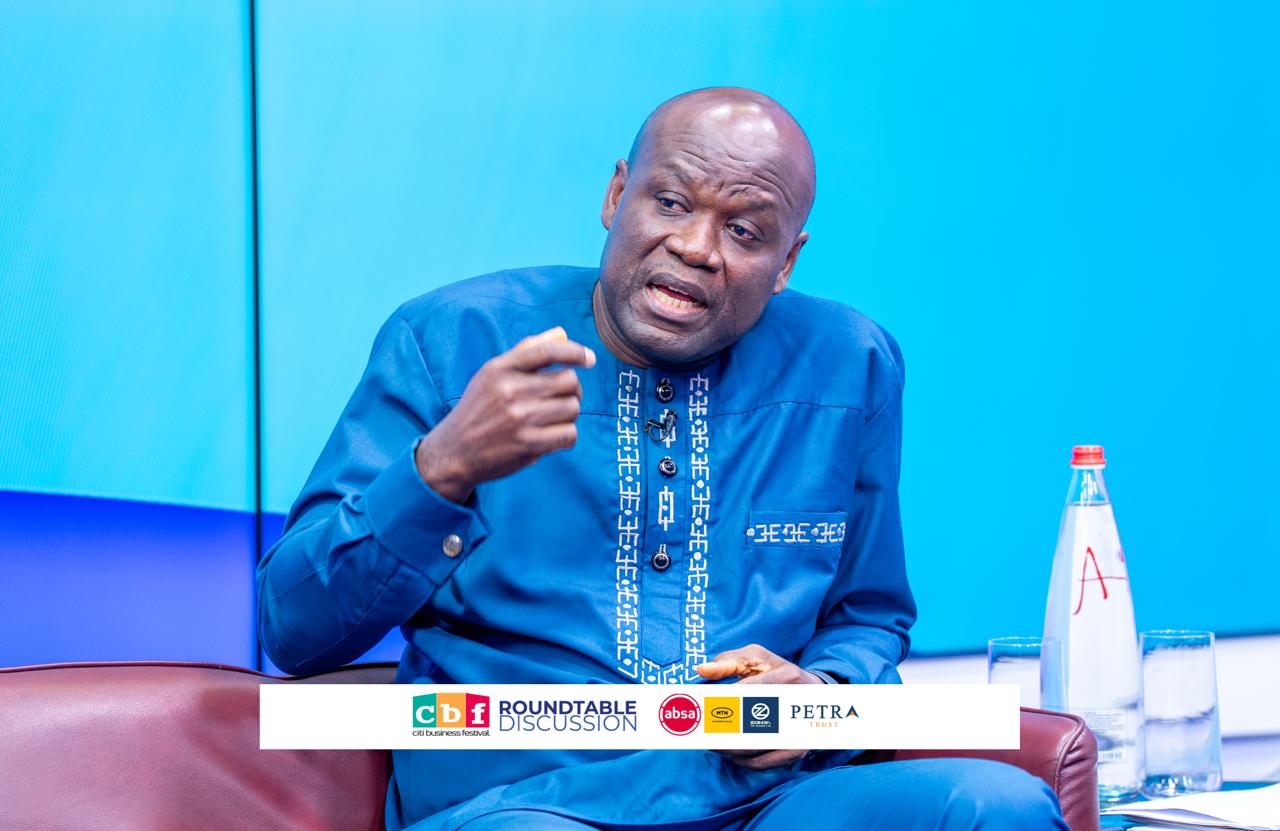
The Chief Executive Officer of the Ghana National Chamber of Commerce and Industry, Mark Badu Aboagye, has identified the lack of continuity in industrial policy as a major setback to Ghana’s industrialisation drive and its ability to fully benefit from intra-African trade under the AfCFTA.
According to him, frequent changes in national development programmes across successive governments have weakened long-term industrial growth, leaving the country dependent on raw material exports instead of value-added production.
Speaking at the Citi Business Festival 2026 on the theme “Unlocking Africa’s Single Market: How Ghanaian Businesses Can Win under AfCFTA,” he noted that intra-African trade remains low, with countries struggling to expand manufacturing capacity.
“Trade among ourselves is about 15% only. SADC is doing well because South Africa is highly industrialised. It means that the products that we need to trade with, we don’t have them unless we add value to it. So the first thing is to industrialise. That is what challenge we are facing,” he said.
Mr. Badu Aboagye explained that Ghana’s industrial trajectory has been inconsistent, arguing that the country has moved from a period of stronger manufacturing capacity to one of deindustrialisation.
“In Ghana in 1960, we had almost every factory producing the basic things that we needed in this country; toothpicks, matches, toilet rolls, even radios. If we had continued and advanced, probably we would have been producing Samsungs and all those things,” he said.
However, he said Ghana’s progress has been disrupted by shifting political priorities, where new administrations often abandon existing industrial frameworks introduced by previous governments.
“The biggest challenge we are facing in industrialisation for me is not only cost of production but lack of continuity in industrial policy. If you don’t resolve that, we cannot industrialise,” he warned.
Mr. Badu Aboagye also referenced recent policy interventions such as the One District One Factory (1D1F) programme and the 24-hour economy agenda, noting that frequent policy shifts risk undermining long-term industrial transformation efforts.
The Citi Business Festival 2026 is powered by 97.3 Citi FM and Channel One TV in partnership with ABSA Bank. And it’s proudly sponsored by ABSA Bank, MTN, Zonda Tec Ghana Ltd. and Petra Trust.