
A Canadian Federal Court dismissed the urgent motion brought by Black Stars midfielder Thomas Teye Partey, effectively upholding the refusal of his application to enter Canada for the 2026 FIFA World Cup.
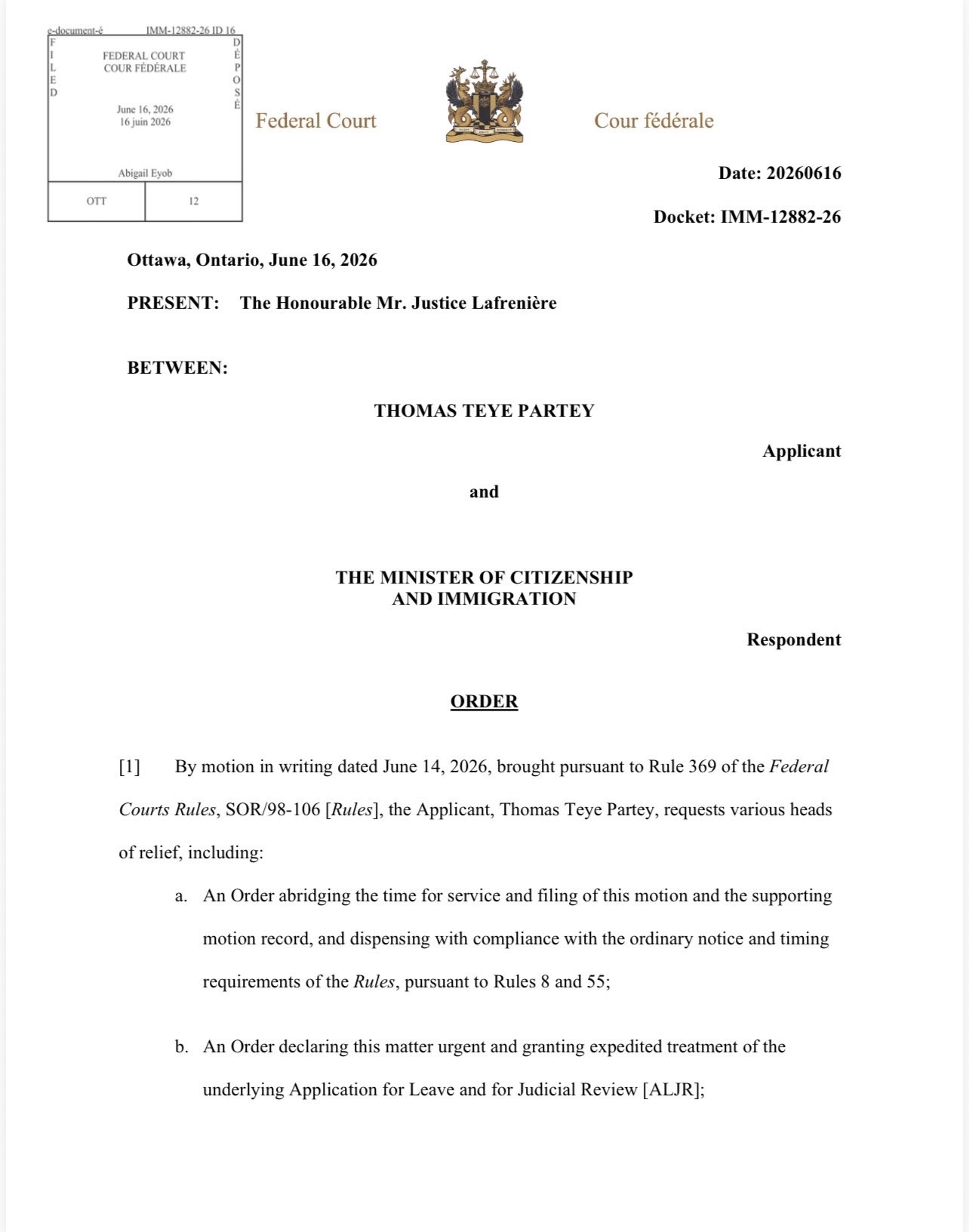
The ruling, delivered on June 16, 2026 by Justice Roger R. Lafrenière in Ottawa, followed Partey’s attempt to challenge a decision by Immigration, Refugees and Citizenship Canada (IRCC) denying him a Temporary Resident Visa.
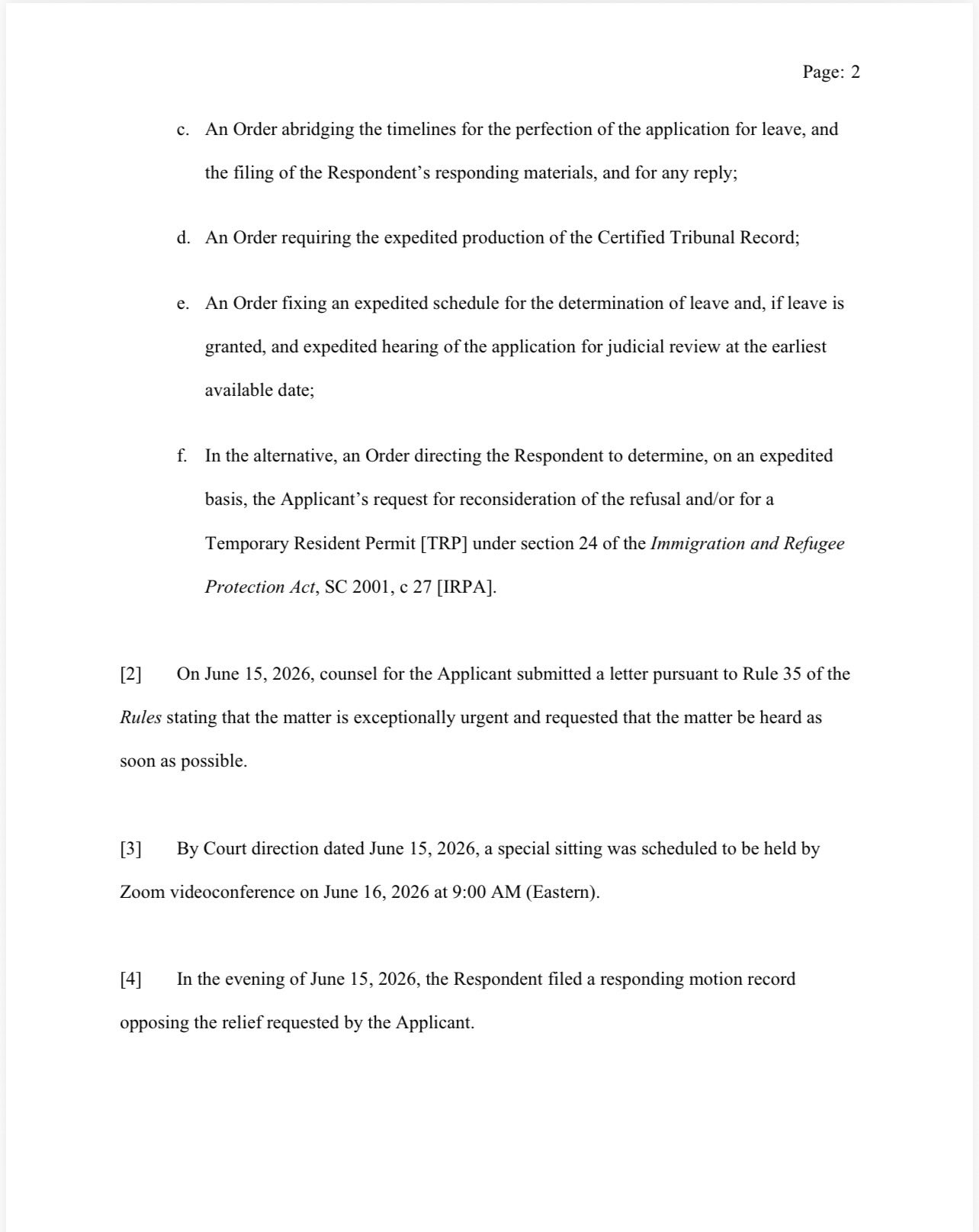
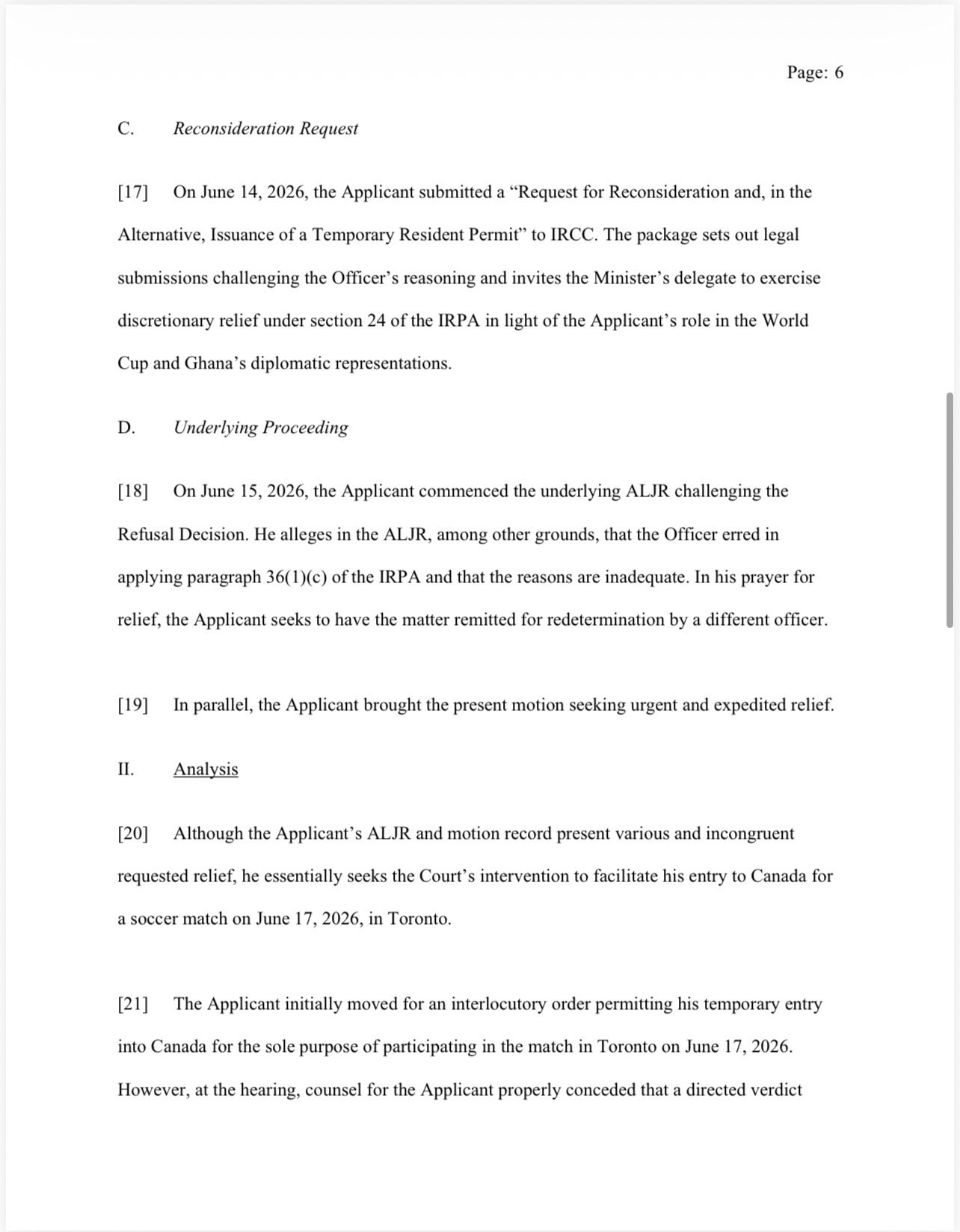
Partey had asked the court to fast-track his application or, alternatively, compel Canadian authorities to reconsider his case on an urgent basis, arguing that he needed entry clearance to join Ghana’s squad for its World Cup match against Panama in Toronto.
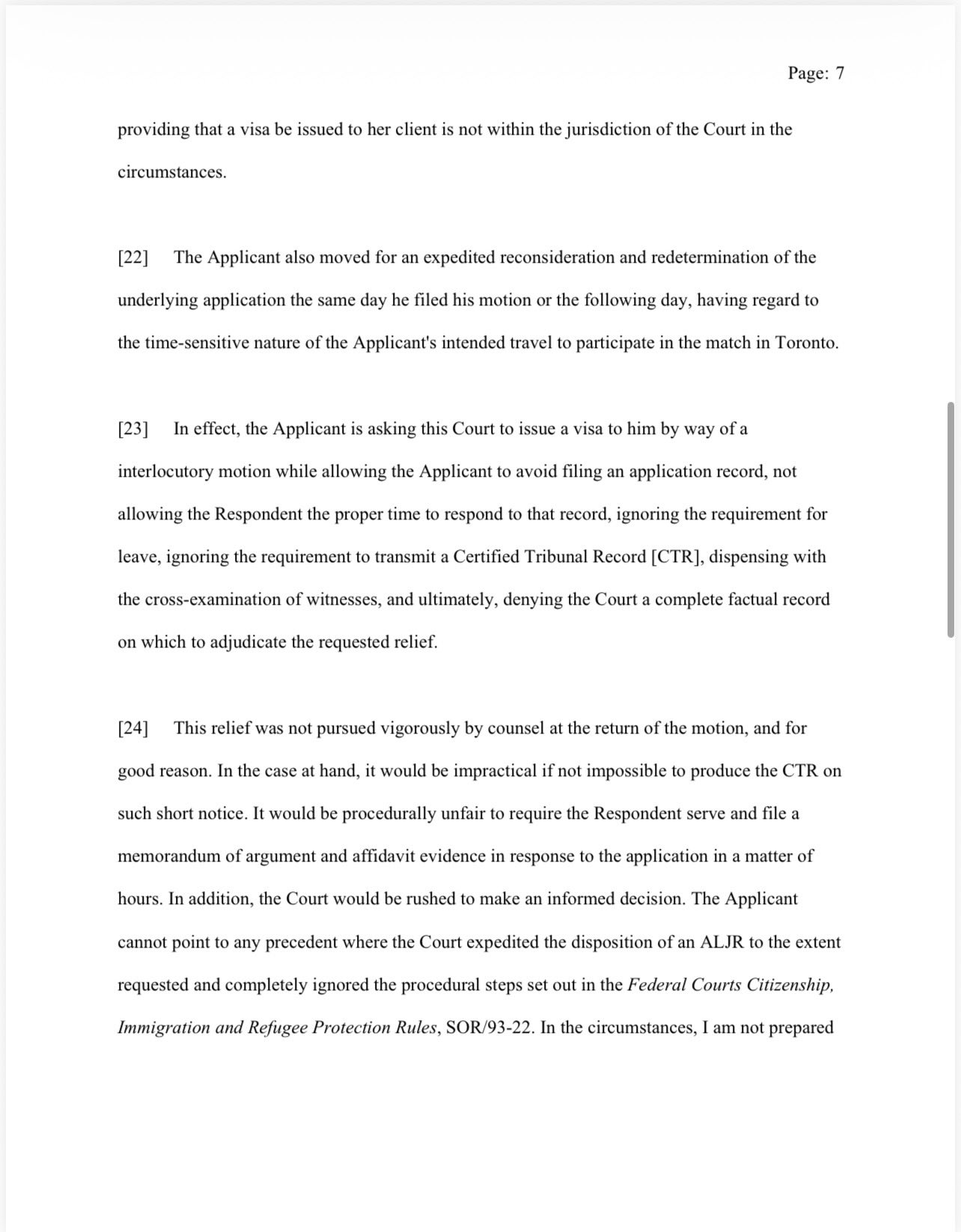
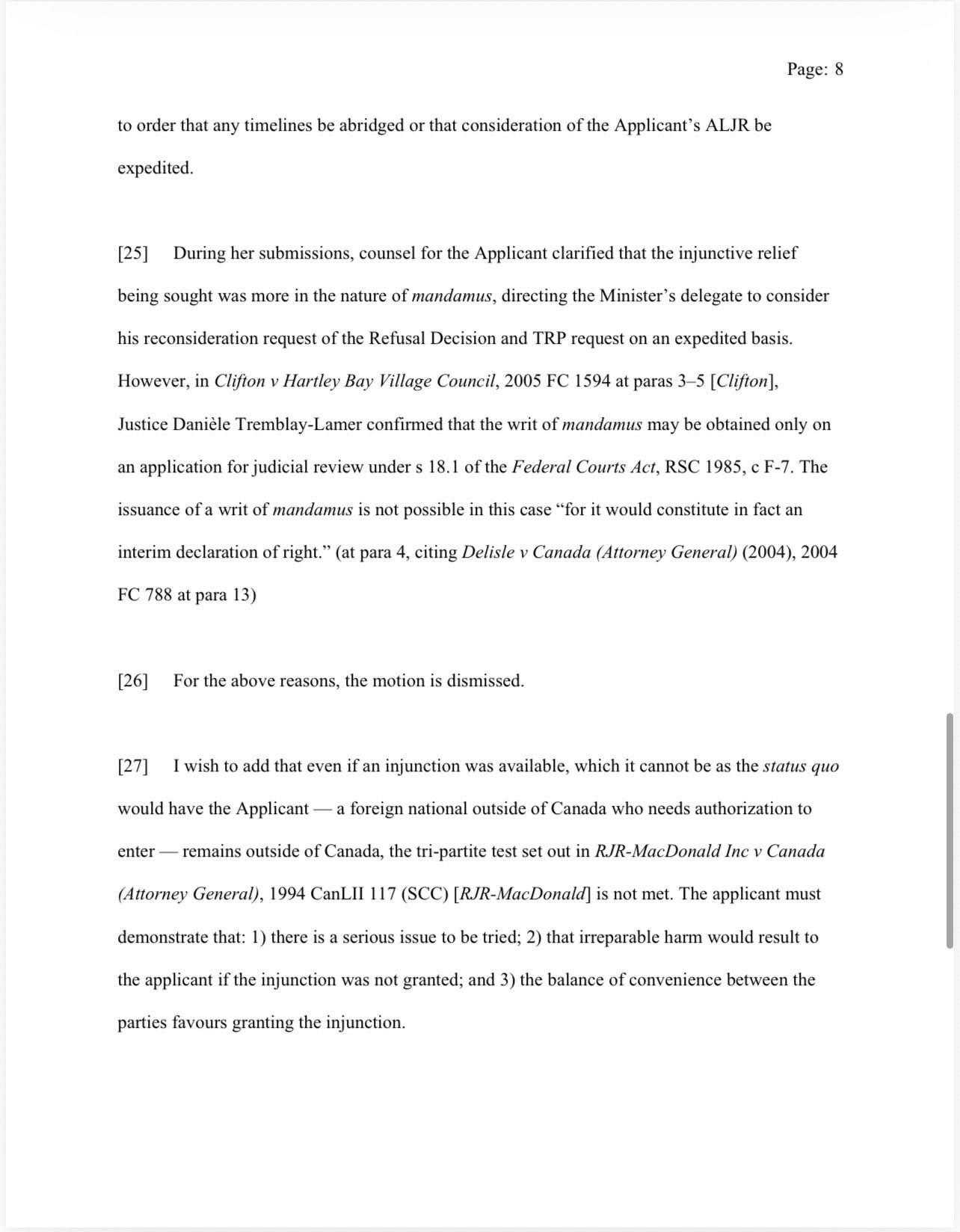
However, the court rejected the request, stating that it could not bypass established immigration procedures or issue what would amount to a visa through an interlocutory motion.
The judge noted that granting such relief would undermine procedural fairness, as it would deny the government adequate time to respond and bypass key steps such as filing complete records and obtaining leave for judicial review.
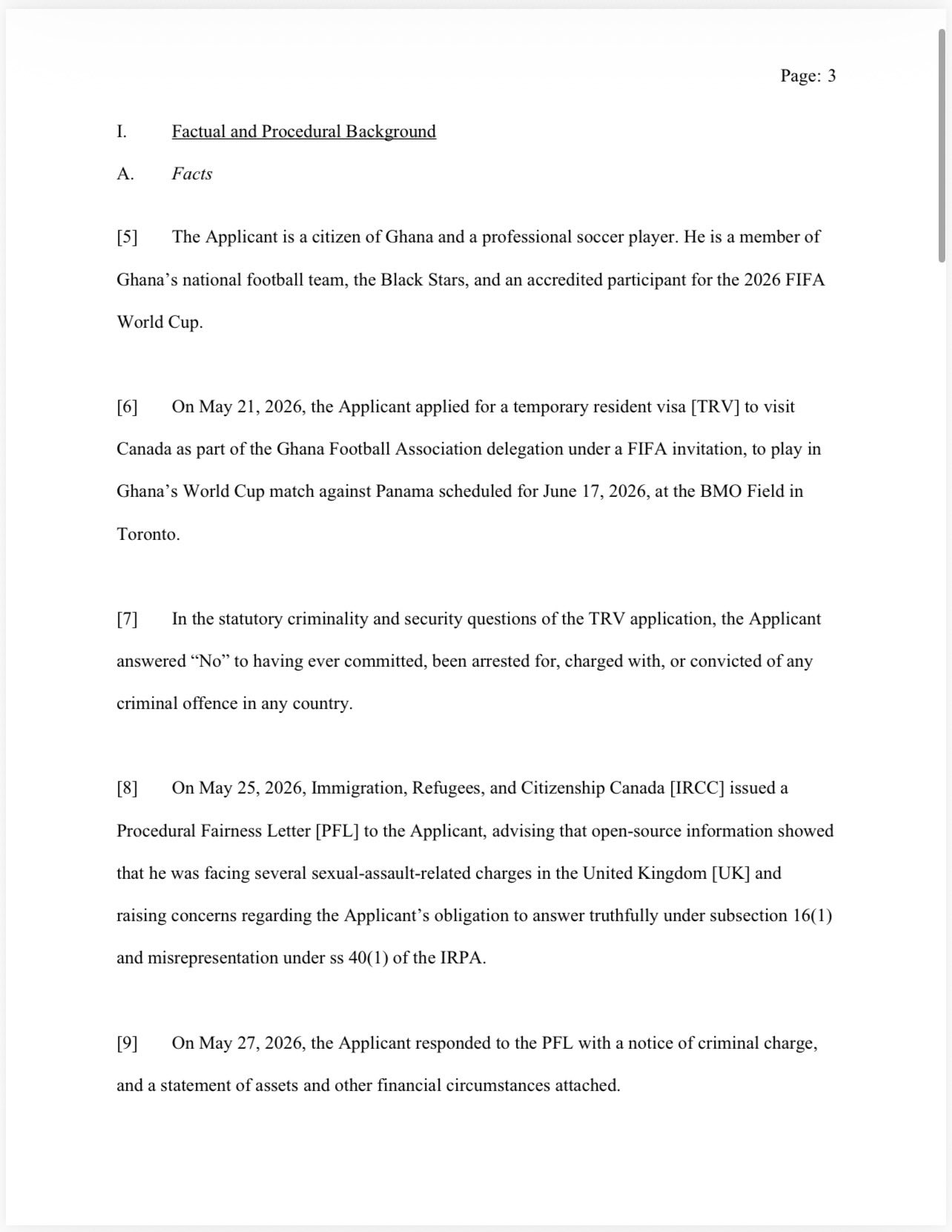
Partey, a citizen of Ghana and key member of the Black Stars, had applied for a temporary resident visa on May 21, 2026 under a FIFA invitation to join Ghana’s World Cup delegation.
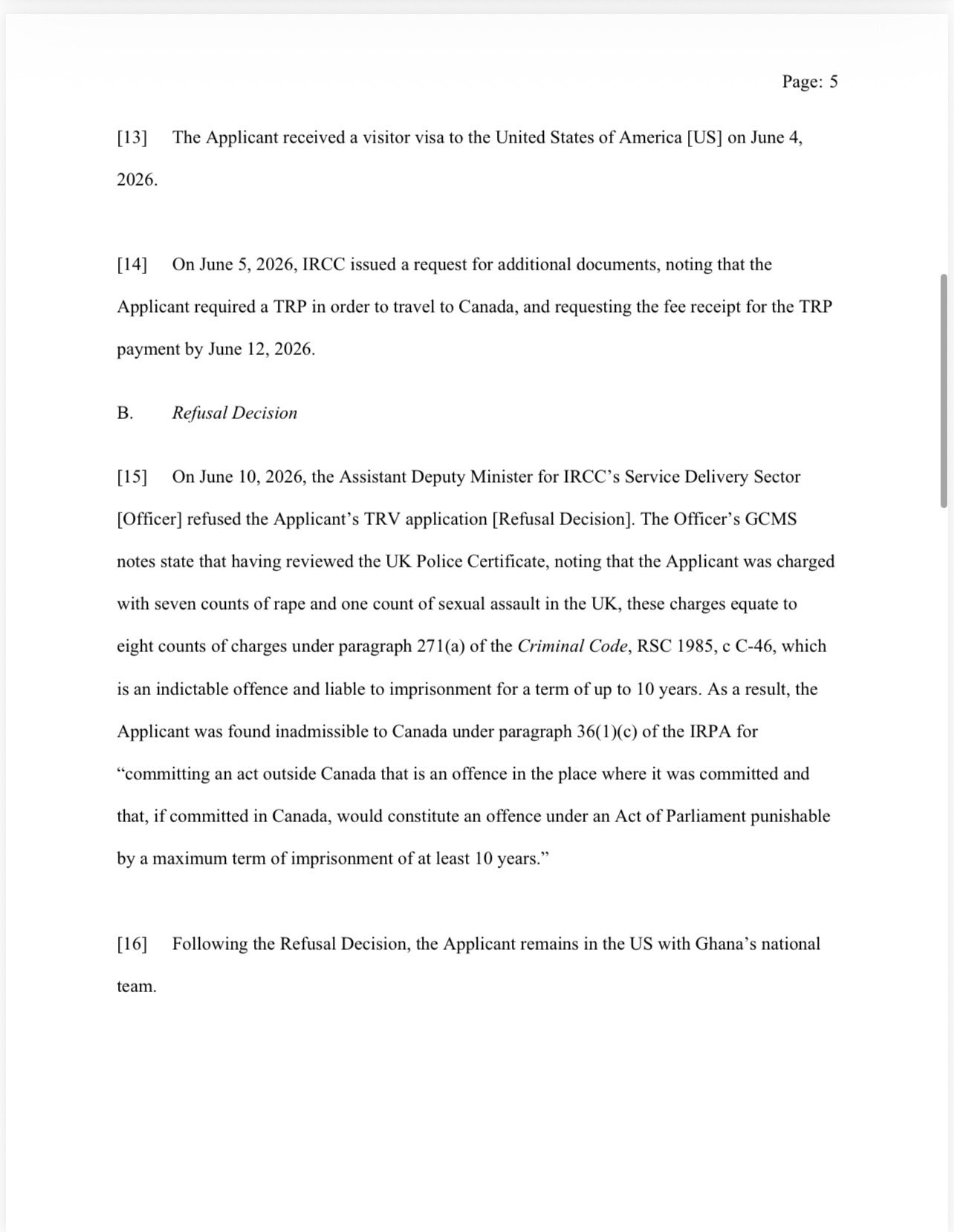
Canadian immigration authorities refused the application on June 10, citing inadmissibility under the Immigration and Refugee Protection Act. Officials said he was facing serious criminal charges in the United Kingdom, which, if proven, would constitute indictable offences under Canadian law.
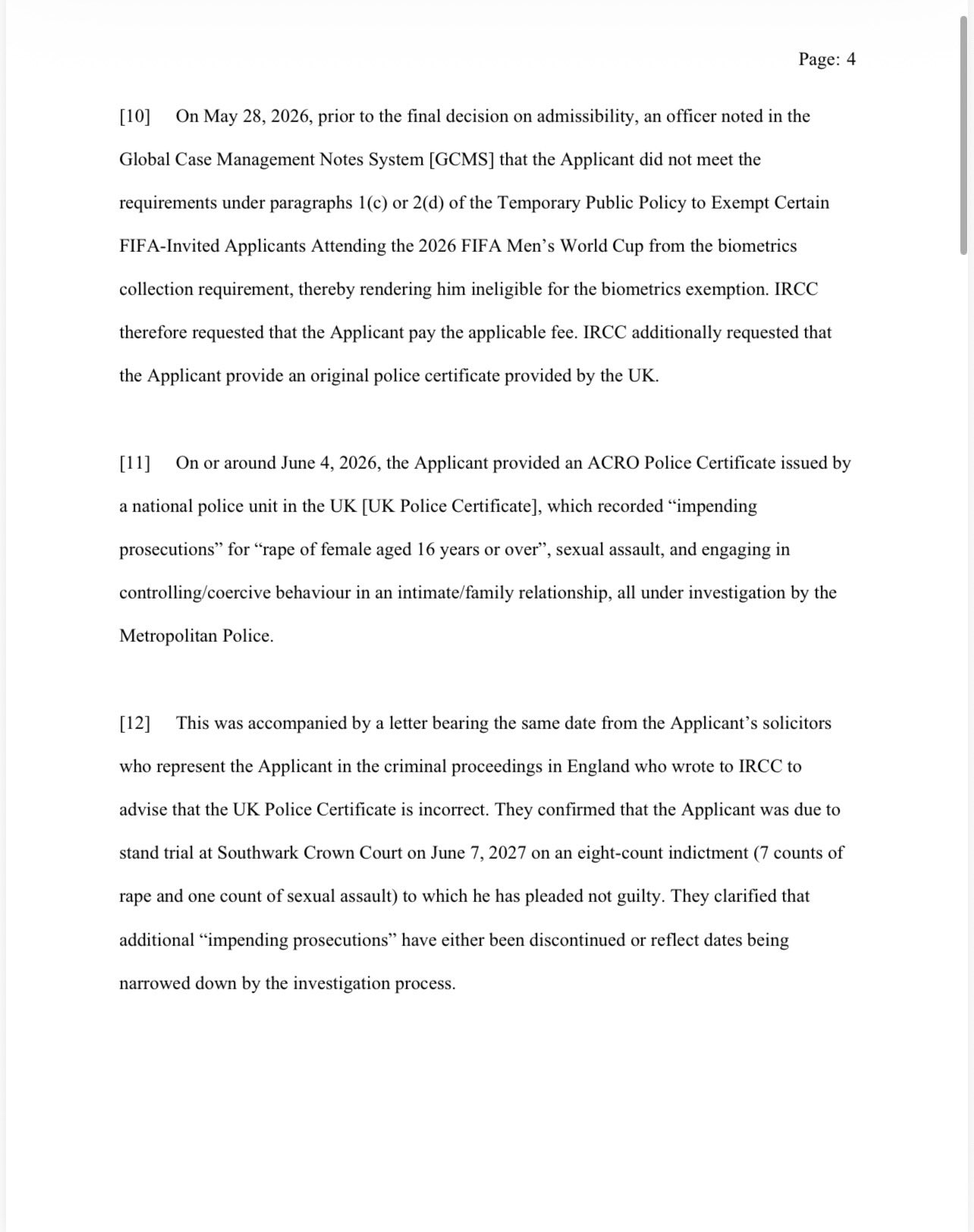
Court documents show that IRCC had earlier raised concerns about discrepancies in Partey’s visa application and requested additional documents, including police records from the UK.
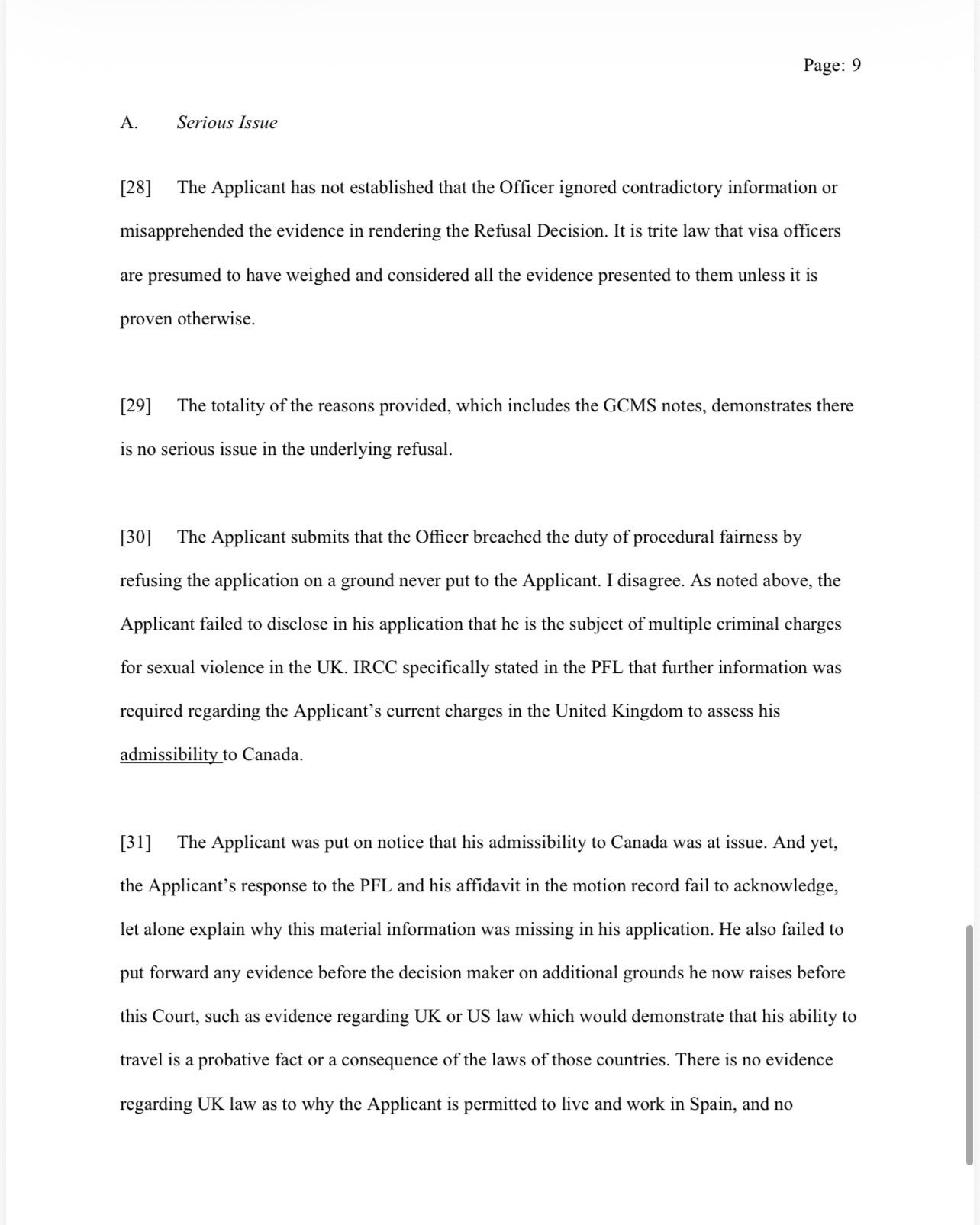
The court also noted that the player had answered “no” to questions about whether he had ever been arrested or charged, before later submitting documentation showing he was facing multiple charges.
Partey’s legal team argued that the refusal was unfair and that he should be allowed entry on humanitarian or temporary grounds to fulfil his sporting commitments. They also sought expedited processing of a reconsideration request or a temporary resident permit.
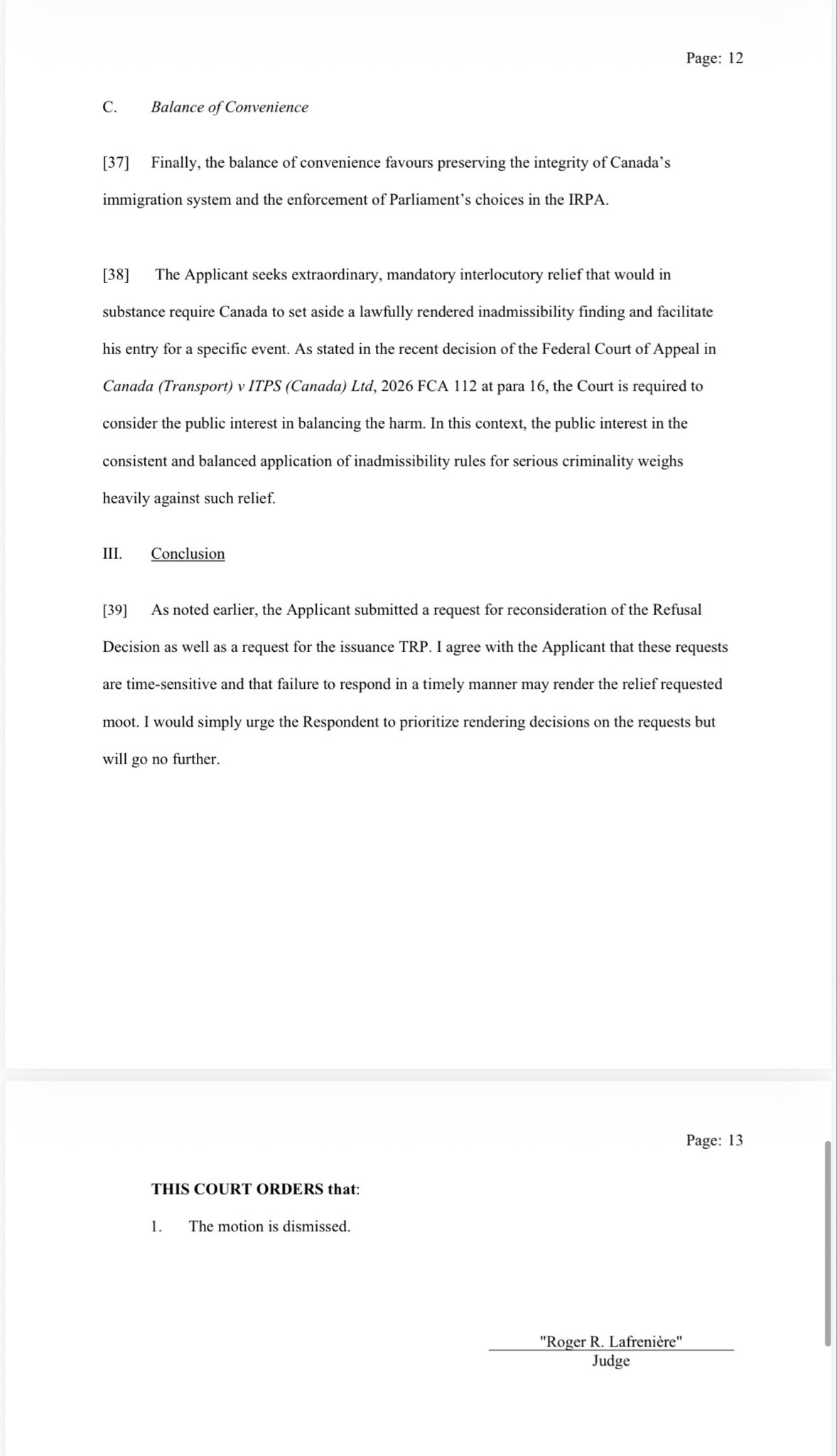
However, the court ruled that such extraordinary relief could not be granted, stressing that immigration inadmissibility decisions must follow due process and cannot be overridden for short-term sporting participation.
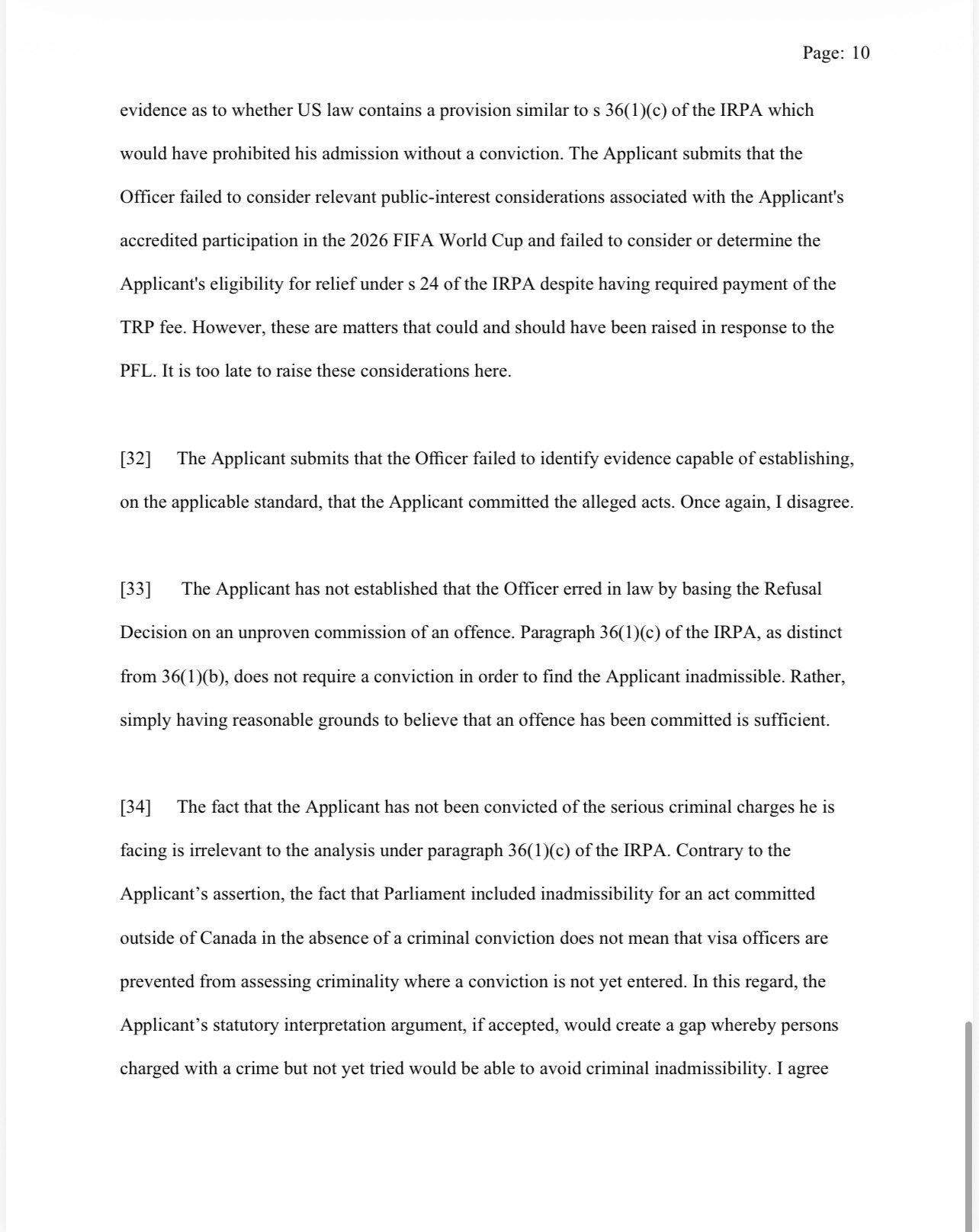
Justice Lafrenière further held that there was no “serious issue” to be tried, stating that immigration officers are entitled to rely on reasonable grounds when assessing inadmissibility, even in the absence of a criminal conviction.
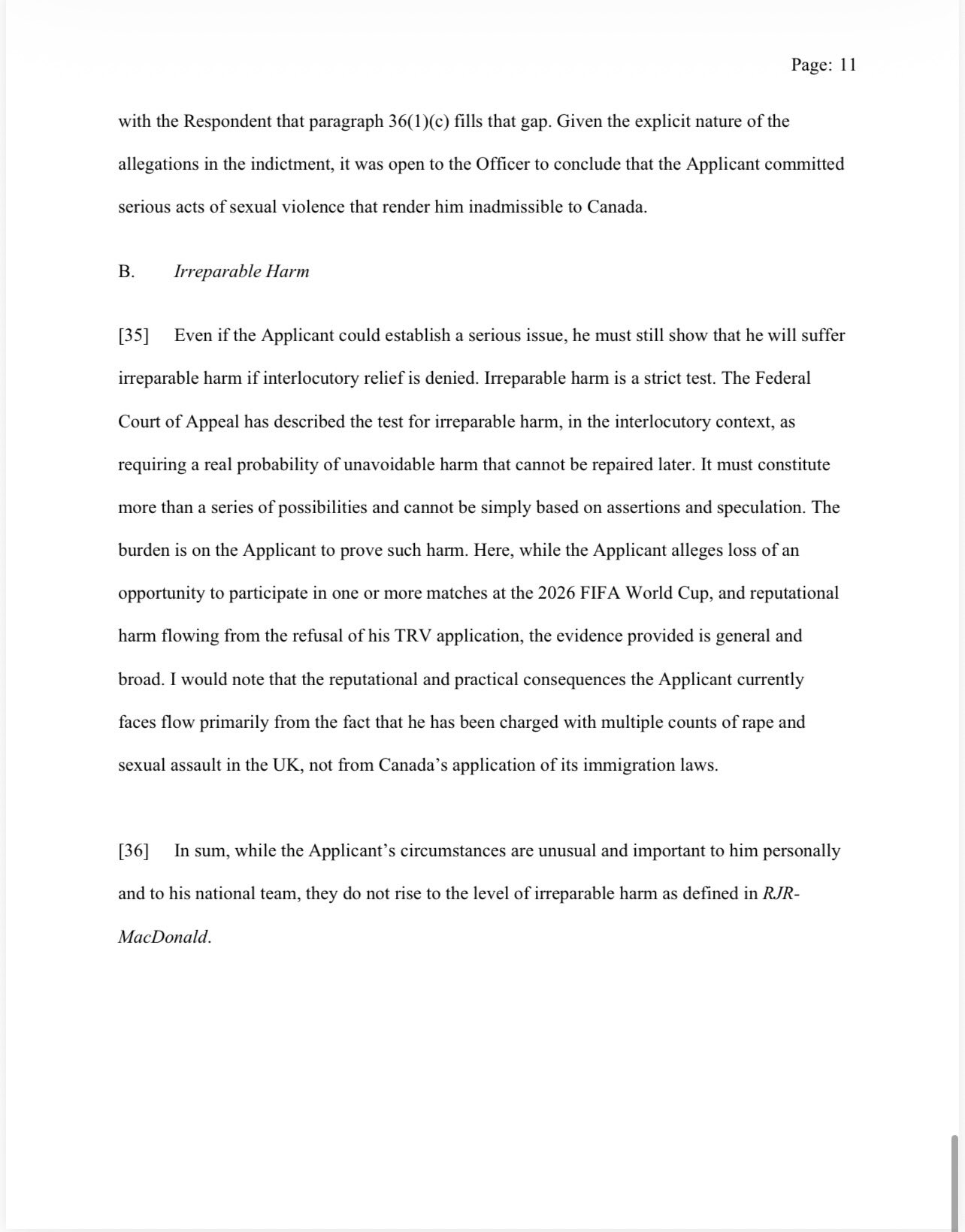
The court added that Partey had not demonstrated irreparable harm, noting that the consequences he faced stemmed largely from the underlying criminal allegations rather than the visa refusal itself.
On the balance of convenience, the court said Canada’s interest in enforcing its immigration laws outweighed the request for exceptional treatment.
The decision means Partey will remain outside Canada unless a separate administrative or legal intervention is successful. His availability for Ghana’s World Cup fixtures in Canada is now in doubt.
Ghana begins its 2026 World Cup campaign against Panama on June 17.
Read also