The Association of Ghana Industries (AGI) has warned that the government’s 24-hour economy initiative could face financing challenges unless manufacturers gain access to affordable, long-term credit to support industrial expansion.
The Chief Executive Officer of the AGI, Seth Twum-Akwaboah, said while recent reductions in lending rates were positive for businesses, the structure of available financing remains a major challenge for companies seeking to establish factories, expand production and create jobs.
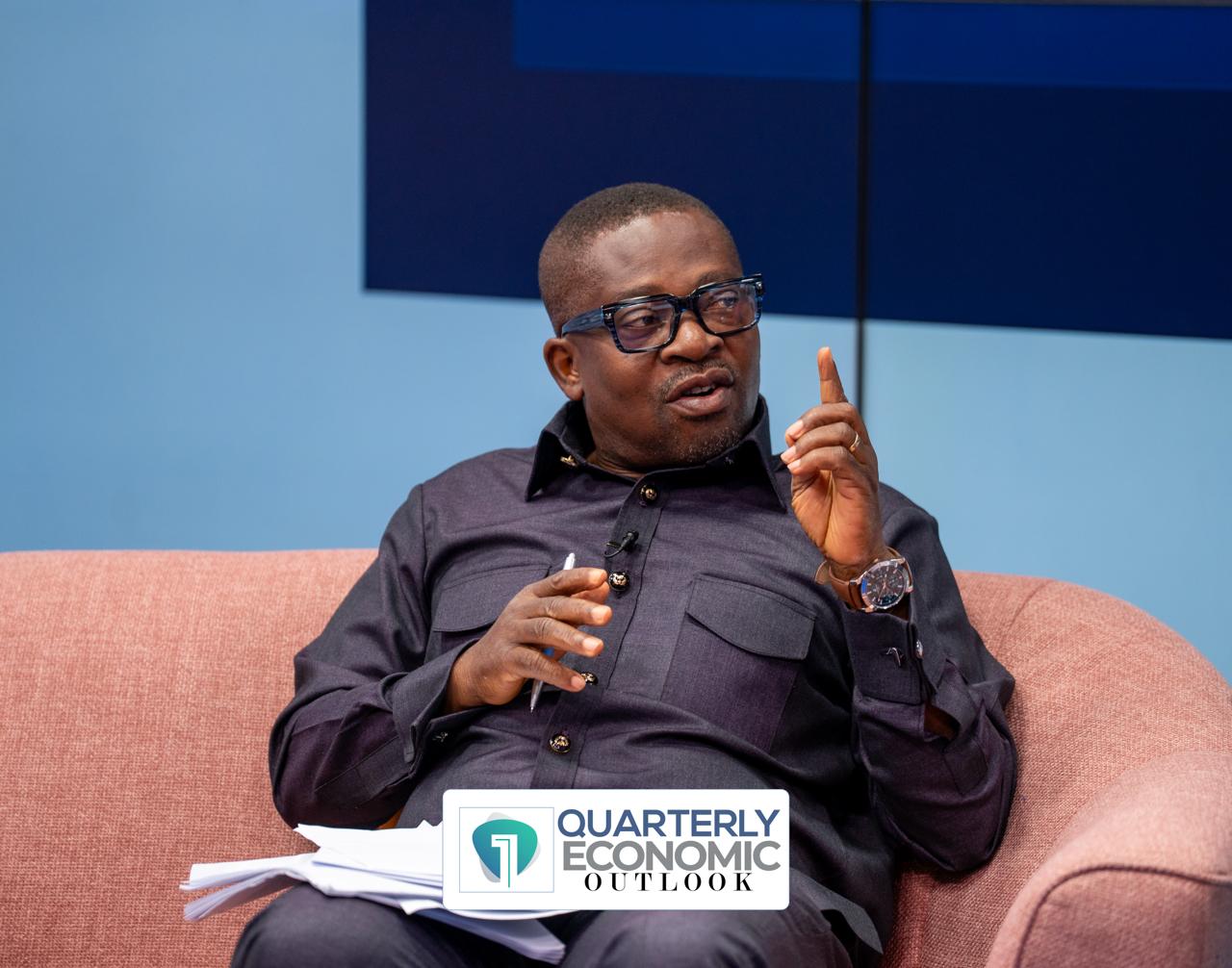
Speaking on Channel One TV’s Quarterly Economic Review on the mid-year performance of the Ghanaian economy on Thursday, July 9, 2026, Mr Twum-Akwaboah said manufacturing requires a different financing approach from the short-term commercial lending that dominates Ghana’s banking sector.
He explained that industrial projects often take several years to generate returns, making short repayment periods unsuitable for businesses investing in factories and production capacity.
“If you are doing long-term, which is a medium- to long-term facility, five years, 10 years, you need a kind of financial arrangement that interest rate is even supposed to be lower than this. And then enough moratorium, and you have enough time to actually produce,” he said.
Mr Twum-Akwaboah said the challenge is particularly important as government seeks to expand industrial activity through the 24-hour economy initiative, which requires significant investment in factories, equipment and production systems.
“The government is doing a 24-hour economy; for you to set up a factory, go through the process, raise funds, the factory construction alone will take you six months, one year, even if you are fast,” he said.
He added that businesses need time after establishing operations to test production, develop markets and generate enough revenue to repay loans.
“By the time you finish, and your moratorium is over and you have to start paying, you have to go through the trial process, develop the market,” he said.
The AGI CEO called for stronger development finance mechanisms to support industrial growth, noting that existing institutions must be assessed to determine whether they are meeting the needs of businesses.
“I know DBG has been established, EXIM Bank is there, but all these have to be interrogated because we are still not getting access to the kind of critical development funding arrangement to support the capital,” he said.
Mr Twum-Akwaboah stressed that lower interest rates alone would not be enough unless credit is structured to support businesses with long-term investment needs.