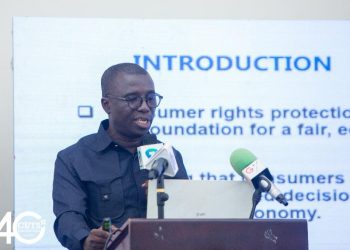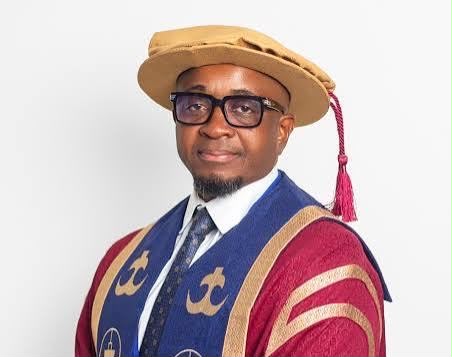
The Pro Vice-Chancellor of the University of Media, Arts, and Communication (UniMAC), Prof. Winston Kwame Abroampa, has called on African scholars and media practitioners to take a more active role in shaping global conversations on journalism and communication.
Speaking at the opening of the School of Journalism and Media Studies (SOJAMS) conference on Wednesday, July 15, Prof. Abroampa said Africa’s rapidly expanding digital landscape presents an opportunity for the continent to influence the future of media rather than merely respond to external trends.
“Africa occupies a unique position within this global transformation as one of the fastest-growing digital regions in the world,” he said.
He noted that advances in mobile technology, a youthful population, and locally developed innovations are reshaping communication across the continent despite persistent resource constraints.
Prof. Abroampa said African researchers and media professionals must develop knowledge and solutions that reflect the continent’s own realities instead of relying largely on frameworks developed elsewhere.
“African scholars and practitioners must do more than respond to global technological developments. We must actually help shape them,” he stated.
He stressed the importance of strengthening African scholarship to address challenges confronting the media industry.
“African realities require African scholarship. African media challenges require African solutions. African experiences deserve recognition,” he said.
Prof. Abroampa added that UniMAC is committed to becoming a leading centre for global media and communication scholarship by producing research that contributes to international debates.
“Our aspiration is not only to participate in international conversations but also to help lead them,” he said.
He encouraged participants at the conference to build lasting research partnerships and generate evidence-based knowledge that can inform public policy, strengthen newsrooms and support national development.
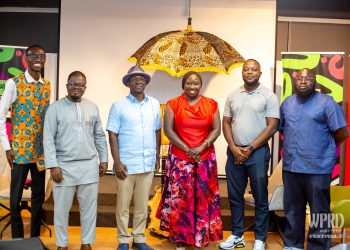
The two-day conference brings together academics, researchers and media professionals to discuss emerging issues in journalism, communication, artificial intelligence and democratic governance.