• About Us
  • Privacy Policy
  • Terms of Use
  • Breaking News
  • Explainers
  • Listen Live
Thursday, July 16, 2026
Citinewsroom - Comprehensive News in Ghana
Advertisement
  • Home
  • News
    • Regional News
      • Ahafo Region
      • Ashanti Region
      • Bono East Region
      • Bono Region
      • Central Region
      • Eastern Region
      • Greater Accra Region
      • Northern Region
      • North East Region
      • Oti Region
      • Savanna Region
      • Upper East Region
      • Upper West Region
      • Volta Region
      • Western Region
      • Western North Region
  • Sports
    • World Cup
  • Politics
  • Business
  • Entertainment
  • Articles
  • Explainers
  • Editorials
No Result
View All Result
Citinewsroom - Comprehensive News in Ghana
  • Home
  • News
    • Regional News
      • Ahafo Region
      • Ashanti Region
      • Bono East Region
      • Bono Region
      • Central Region
      • Eastern Region
      • Greater Accra Region
      • Northern Region
      • North East Region
      • Oti Region
      • Savanna Region
      • Upper East Region
      • Upper West Region
      • Volta Region
      • Western Region
      • Western North Region
  • Sports
    • World Cup
  • Politics
  • Business
  • Entertainment
  • Articles
  • Explainers
  • Editorials
No Result
View All Result
Citinewsroom - Comprehensive News in Ghana
No Result
View All Result

Cooking oil tops Ghana’s informal food imports as cross-border trade deficit doubles

byDaniel Sackitey
July 16, 2026
Reading Time: 2 mins read
ShareShareShareShare

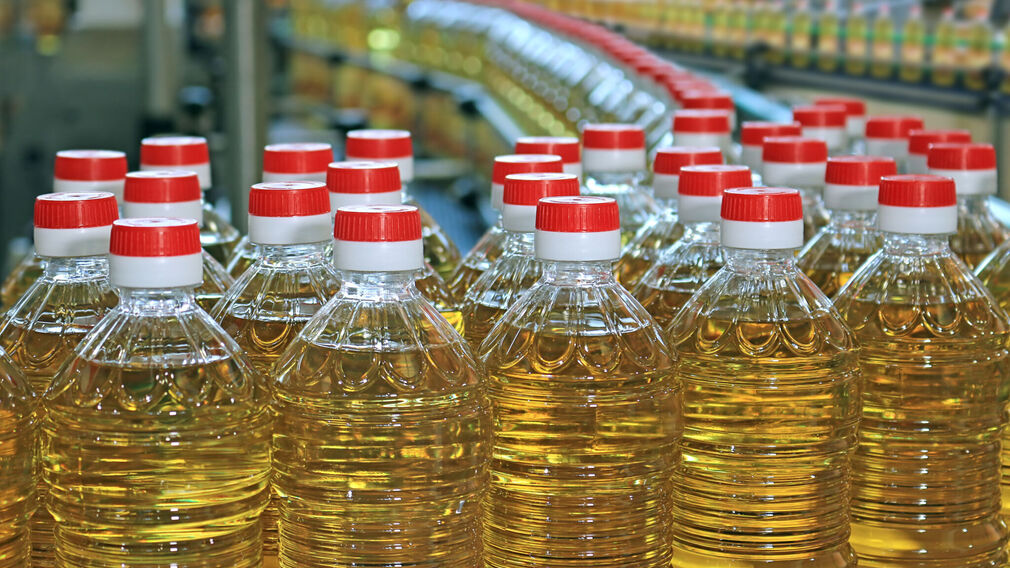
Cooking oil remained Ghana’s largest informal food import during the first nine months of 2025, underscoring the country’s growing dependence on neighbouring markets to meet domestic demand for key food commodities.

New data from the Ghana Statistical Service’s (GSS) Informal Cross Border Trade Report shows that cooking oil consistently dominated informal food imports between January and September 2025, even though its share eased slightly over the period.

The trend points to the increasingly important role of informal cross-border trade in Ghana’s food supply chain, particularly at a time when households continue to grapple with food prices and traders rely on neighbouring countries to source basic consumer goods.

According to the report, cooking oil accounted for 16.3% of informal food imports in the first quarter before declining to 14.4% by the third quarter. Despite the moderation, it remained the single largest food commodity entering the country through informal trade channels.

Rice ranked among the next most imported products, accounting for 8.4% of informal food imports in the third quarter, while shea nuts represented 7%.

Imports of livestock, particularly cattle, declined steadily over the period, with their share falling from 6.9% in the first quarter to 5.5% by the third quarter.

Sugar accounted for 5.7% of informal food imports, while maize remained relatively stable, rising from 4.7% in the first quarter to 5.1% in the second quarter before easing back to 4.7%  in the third quarter.

Food import deficit doubles 

Beyond the commodity breakdown, the report points to a more significant economic trend which is Ghana’s widening reliance on informal imports to meet domestic food demand.

The country’s informal food trade deficit doubled during the first three quarters of 2025.

It rose from approximately GH¢400 million in the first quarter to GH¢800 million by the third quarter.

The widening deficit suggests Ghana imported substantially more food through informal channels than it exported, reflecting persistent supply gaps and continued demand for food products sourced from neighbouring countries.

Non-food trade surplus narrows

While food imports expanded, Ghana’s informal non-food trade surplus weakened over the same period.

The surplus narrowed from GH¢1 billion in the first quarter to GH¢800 million by the third quarter, indicating a shift in the composition of informal cross-border trade.

The latest figures reinforce the growing importance of informal trade in Ghana’s food economy and raise broader questions about domestic agricultural production, food security and import substitution.

For policymakers, the data highlight the need to strengthen local production and improve agricultural value chains to reduce dependence on imports of staple food products.

For consumers, the report illustrates how informal trade continues to play a critical role in ensuring the availability of essential food items, particularly cooking oil and rice, across Ghana’s markets.


Tags: cooking oilfood importsGhana NewsGSSInformal tradeTrade deficit
ShareTweetSendSend
Previous Post

GHIB, GEXIM deepen partnership to boost exports

Next Post

Telecel Ghana CEO featured in KNUST’s 75th anniversary commemorative publication

Related Posts

MP for Ofoase/Ayirebi, Kojo Oppong Nkrumah
Featured

Oppong Nkrumah exposes BoG’s $10.36bn forex operations

July 16, 2026
Asantehene Otumfuo Osei Tutu II unveils the commemorative anniversary book, 70 Years of Global Impact, which featured Telecel CEO, Ing. Patricia Obo-Nai.
General

Telecel Ghana CEO featured in KNUST’s 75th anniversary commemorative publication

July 16, 2026
GHIB Chief Executive Officer, Ian Greenstreet(left), GEXIM Chief Executive Officer, Sylvester Mensah,(right)
Business

GHIB, GEXIM deepen partnership to boost exports

July 16, 2026
GES Headquarters
Education

GES releases funds for SHS, SHTS perishable items

July 16, 2026
Business

Consumers brace for higher fuel prices from today

July 16, 2026
Featured

Ga East Assembly to demolish structures on waterways

July 16, 2026
Next Post
Asantehene Otumfuo Osei Tutu II unveils the commemorative anniversary book, 70 Years of Global Impact, which featured Telecel CEO, Ing. Patricia Obo-Nai.

Telecel Ghana CEO featured in KNUST's 75th anniversary commemorative publication

ADVERTISEMENT
Citinewsroom - Comprehensive News in Ghana

CitiNewsroom.com is Ghana's leading news website that delivers high quality innovative, alternative news that challenges the status quo.

Archives

Download App

Download

Download

  • About Us
  • Privacy Policy
  • Terms of Use
  • Breaking News
  • Explainers
  • Listen Live

© 2024 All Rights Reserved Citi Newsroom.

No Result
View All Result
  • Home
  • News
    • Regional News
      • Ahafo Region
      • Ashanti Region
      • Bono East Region
      • Bono Region
      • Central Region
      • Eastern Region
      • Greater Accra Region
      • Northern Region
      • North East Region
      • Oti Region
      • Savanna Region
      • Upper East Region
      • Upper West Region
      • Volta Region
      • Western Region
      • Western North Region
  • Sports
    • World Cup
  • Politics
  • Business
  • Entertainment
  • Articles
  • Explainers
  • Editorials

© 2024 All Rights Reserved Citi Newsroom.