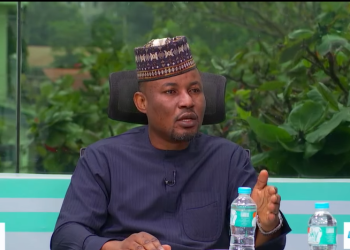
A lecturer at the University of Professional Studies, Accra (UPSA), Dr. Palgrave Boakye-Danquah, has called for intensified public education on sanitation laws, arguing that enforcement alone will not address Ghana’s persistent waste management challenges.
Speaking on Channel One TV’s Breakfast Daily on Monday, July 13, Dr. Boakye-Danquah said while stricter enforcement of sanitation regulations is necessary, authorities must ensure citizens are adequately informed about the laws and the consequences of violating them.
According to him, offenders must be held accountable for breaching sanitation regulations without undue interference or appeals for leniency from influential individuals.
He stressed, however, that effective enforcement should go hand in hand with sustained public education, noting that many people remain unaware of the specific penalties associated with sanitation offences.
Dr. Boakye-Danquah said although ignorance of the law is not a valid defence, authorities have a responsibility to ensure citizens understand the legal implications of actions such as indiscriminate waste disposal and environmental pollution.
He urged the National Commission for Civic Education (NCCE) to intensify awareness campaigns to educate the public on the health risks associated with poor sanitation and the importance of maintaining clean surroundings.
“Stricter measures must be put in place. We must implement our bylaws and ensure our laws are stringent enough. People who default should be made to face the consequences. You’re not having your pastor come to beg for you, and you’re not having your chief come to beg for you,” he stated.
While supporting tougher sanctions against sanitation offenders, Dr. Boakye-Danquah cautioned against adopting measures that could excessively expand the powers of the military in sanitation enforcement, urging security operatives to remain mindful of the broader security dynamics within the sub-region, where democratic governance continues to face threats.
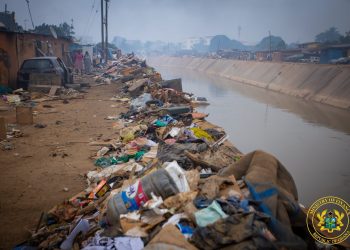
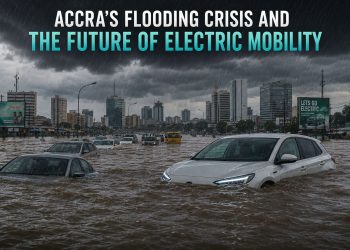
His comments come amid renewed national discussions on sanitation following recent flooding in parts of the country, which exposed longstanding challenges with indiscriminate waste disposal, poor drainage systems and weak enforcement of environmental sanitation laws.