Former Chief Executive of the District Road Improvement Programme (DRIP), Nii Lante Vanderpuye, has warned that Ghana’s recurring flooding challenges, particularly in Accra, will persist unless there is strict discipline and accountability in enforcing laws and urban planning regulations.
He said the country already has the necessary by-laws and regulatory frameworks to guide development and environmental management, but weak enforcement, indiscipline, and corruption continue to undermine efforts to address flooding in the capital.
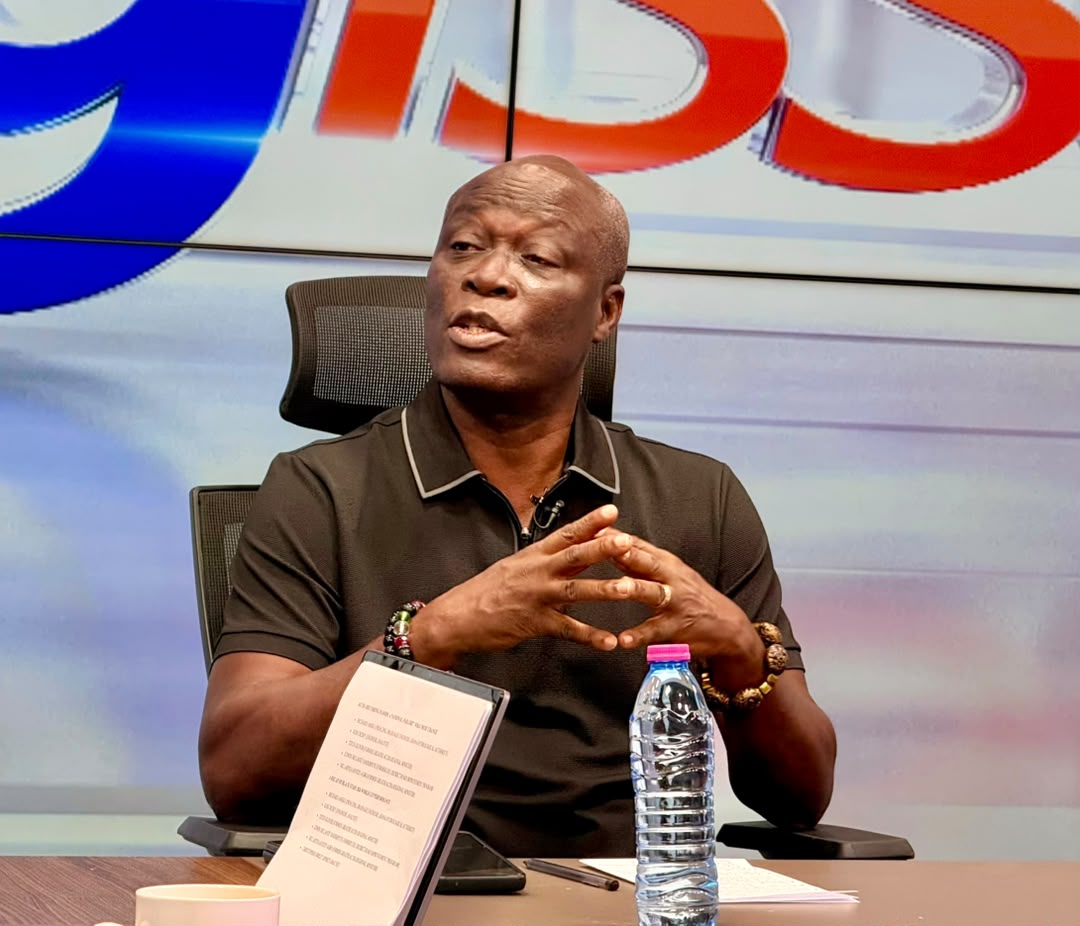
Speaking on The Big Issue on Channel One TV on Saturday, July 4, Vanderpuye stressed that both public officials and citizens have a shared responsibility to ensure compliance with rules designed to prevent disorderly development and environmental degradation.
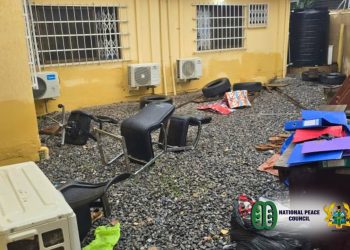
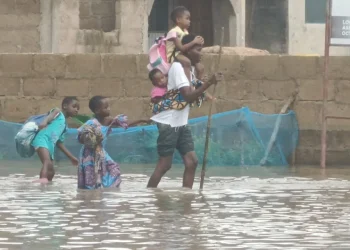
His remarks follow the heavy rainfall on Monday, June 29, which triggered widespread flooding across several parts of Accra. The downpour submerged homes and businesses, disrupted vehicular movement, and rendered major roads impassable, once again exposing the city’s long-standing vulnerability to intense rainfall.
According to him, no amount of infrastructure investment alone can resolve the flooding crisis if discipline in society is not strengthened and accountability in decision-making is not enforced.
“If you ask me what we need to do to resolve this problem, I will say first and foremost, discipline. People in authority, state actors, and citizens all have a role to play. We cannot continue doing things the same way and expect different results,” he said.
Vanderpuye argued that enforcement of planning regulations is often weakened by corrupt practices and undue influence, allowing individuals to violate building codes and develop in restricted or unsuitable areas, thereby worsening the impact of floods.
He cautioned that when public officials compromise standards for personal or external interests, the consequences ultimately affect entire communities, particularly during periods of heavy rainfall.
“We should avoid a situation where somebody thinks they can pay money and do whatever they want at the end of it all; we all suffer the consequences,” he stated.
The former DRIP boss further called for greater public awareness and responsibility, urging citizens to respect existing by-laws and support efforts to protect drainage systems and waterways from encroachment and misuse.
He maintained that effective flood control requires a collective commitment from government institutions, enforcement agencies, and the general public, anchored on discipline and accountability.
Vanderpuye added that while infrastructure development remains important, sustainable solutions to Accra’s flooding crisis depend largely on the consistent application of rules and the elimination of corruption within the system.