• About Us
  • Privacy Policy
  • Terms of Use
  • Breaking News
  • Explainers
  • Listen Live
Thursday, July 2, 2026
Citinewsroom - Comprehensive News in Ghana
Advertisement
  • Home
  • News
    • Regional News
      • Ahafo Region
      • Ashanti Region
      • Bono East Region
      • Bono Region
      • Central Region
      • Eastern Region
      • Greater Accra Region
      • Northern Region
      • North East Region
      • Oti Region
      • Savanna Region
      • Upper East Region
      • Upper West Region
      • Volta Region
      • Western Region
      • Western North Region
  • Sports
    • World Cup
  • Politics
  • Business
  • Entertainment
  • Articles
  • Explainers
  • Editorials
No Result
View All Result
Citinewsroom - Comprehensive News in Ghana
  • Home
  • News
    • Regional News
      • Ahafo Region
      • Ashanti Region
      • Bono East Region
      • Bono Region
      • Central Region
      • Eastern Region
      • Greater Accra Region
      • Northern Region
      • North East Region
      • Oti Region
      • Savanna Region
      • Upper East Region
      • Upper West Region
      • Volta Region
      • Western Region
      • Western North Region
  • Sports
    • World Cup
  • Politics
  • Business
  • Entertainment
  • Articles
  • Explainers
  • Editorials
No Result
View All Result
Citinewsroom - Comprehensive News in Ghana
No Result
View All Result

June 29 floods worst in 40 years by water volume — Adabraka resident

Patricia BoakyebyPatricia Boakye
July 2, 2026
Reading Time: 2 mins read
ShareShareShareShare

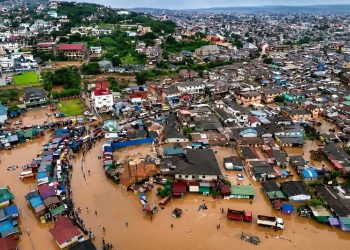
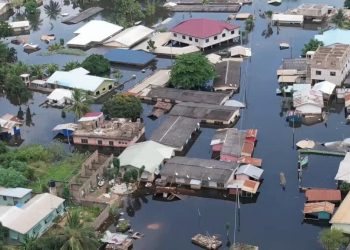
A resident of Adabraka has described the June 29 floods as the worst he has witnessed in more than 40 years in terms of the volume of water, despite the disaster claiming fewer lives in his community than the devastating June 3, 2015 floods.

Speaking during a community forum on Thursday, July 2, held by Citi FM, long-time resident Benjamin Lartey said the volume of floodwater that engulfed Adabraka surpassed previous major flooding events, including the October 1995 floods and the June 3, 2015 disaster.

Having lived in the area for about four decades, he said the latest flooding was unprecedented.

“The water volume for this Monday was more than we’ve ever seen before. I’m an old man, and I can tell you from history. For the past 40 years, we haven’t seen such a flood. I experienced the October 1995 floods, I was here during the June 3 disaster, and I was here on June 29. This is the worst volume of water I’ve ever seen,” he said.

Lartey, however, noted that although the floodwaters were higher than in previous disasters, the death toll in his community was significantly lower because the flooding occurred during the day and residents were better prepared following the lessons learnt from the June 3 tragedy.

He explained that unlike the June 3, 2015 floods, which struck at night and caught many residents unaware, the June 29 floods began during daylight hours, making it easier for residents to seek safety and for emergency responders to carry out rescue operations.

He also attributed the lower number of fatalities to greater public awareness about switching off electricity during floods, which helped prevent electrocution-related deaths.

“June 3 happened at night, and many people couldn’t find their way because it was dark,” he recalled. “At the time, people didn’t know they had to switch off their electricity, and that contributed to the loss of lives. This time, people had learnt from that experience, and because it happened during the day, many lives were saved.”

Lartey further observed that, unlike previous floods, the June 29 disaster carried relatively little debris through the community despite the significantly higher water levels. While he said this made the flooding less hazardous in some respects, he stressed that the sheer volume of water remained deeply alarming.

The June 29 floods affected more than 38,000 people across the Greater Accra Region, displaced over 7,700 households and claimed at least 15 lives, renewing concerns over Accra’s perennial flooding problem and prompting fresh calls for stronger flood prevention and urban planning measures.

Tags: AdabrakaFloodGhana Newsheadline
ShareTweetSendSend
Previous Post

WhatsApp asked to pause username feature rollout over fraud concerns

Next Post

Accra floods: Over 22,000 affected in Adabraka alone — Assembly Member

Related Posts

Featured

Finance Ministry releases GH¢350m for flood relief

July 2, 2026
Featured

Gold Fields, World Vision hand over modern water system to Damang

July 2, 2026
Featured

‘All my hard work is gone’ — Trader loses 15 shops in Odawna disaster

July 2, 2026
Featured

Council of State calls for stricter enforcement of building laws to curb flooding

July 2, 2026
Featured

Accra floods: Over 22,000 affected in Adabraka alone — Assembly Member

July 2, 2026
General

World Drug Day: UPSA-RCC, NACOC study reveals high substance use among youth in La Nkwantanang-Madina 

July 2, 2026
Next Post

Accra floods: Over 22,000 affected in Adabraka alone — Assembly Member

ADVERTISEMENT
Citinewsroom - Comprehensive News in Ghana

CitiNewsroom.com is Ghana's leading news website that delivers high quality innovative, alternative news that challenges the status quo.

Archives

Download App

Download

Download

  • About Us
  • Privacy Policy
  • Terms of Use
  • Breaking News
  • Explainers
  • Listen Live

© 2024 All Rights Reserved Citi Newsroom.

No Result
View All Result
  • Home
  • News
    • Regional News
      • Ahafo Region
      • Ashanti Region
      • Bono East Region
      • Bono Region
      • Central Region
      • Eastern Region
      • Greater Accra Region
      • Northern Region
      • North East Region
      • Oti Region
      • Savanna Region
      • Upper East Region
      • Upper West Region
      • Volta Region
      • Western Region
      • Western North Region
  • Sports
    • World Cup
  • Politics
  • Business
  • Entertainment
  • Articles
  • Explainers
  • Editorials

© 2024 All Rights Reserved Citi Newsroom.