The clothes we wear are more than fabric stitched together; they communicate identity, values, history and the environment in which we live. For journalists, whose work is to tell society’s stories and shape public discourse, appearance is itself a form of communication.
It is therefore worth asking an important question: Should Ghanaian journalists continue to dress as though they are reporting from London, New York or Berlin, even while working under the scorching tropical sun of Ghana?
Across television screens in Ghana, it is common to see reporters dressed in long-sleeved shirts, tightly knotted neckties, tucked-in shirts and sometimes full suits while reporting outdoors in temperatures exceeding 30 degrees Celsius.
Ironically, journalists from Europe or North America who travel to Africa often abandon these same styles. They wear short sleeves, light fabrics and clothing suited to the tropical climate because they understand that dress should reflect the environment.
Why then do many Ghanaian journalists feel compelled to imitate a dress code developed for colder climates?
This question goes beyond fashion. It touches on culture, national identity, tourism promotion, climate adaptation and economic development. It is time for Ghanaian journalists to lead a national conversation on mainstreaming African-inspired professional dressing that reflects Ghana’s tropical environment while maintaining the dignity, credibility and professionalism expected of the media.
Dressing Should Reflect the Environment:
Every civilization develops clothing that suits its climate. In Europe and North America, winter temperatures can fall below freezing. Clothing such as suits, jackets, coats, ties and layered garments evolved partly to provide warmth and protection from cold weather.
Ghana presents a completely different reality. Located within the tropics, the country experiences warm temperatures for most of the year. Lightweight cotton fabrics, loose-fitting garments and breathable traditional textiles are naturally better suited to this climate.
Historically, Ghanaian communities designed clothing with this reality in mind. Garments such as the smock, locally woven fabrics, Kente, Adinkra and other traditional attire allowed freedom of movement while keeping wearers comfortable under the tropical sun.
Yet modern professional culture has increasingly equated competence with Western business attire. The result is that many journalists endure uncomfortable clothing simply because it has become associated with professionalism rather than practicality. Professionalism, however, should never be confused with imitation.
A neatly tailored African print shirt, a well-designed batakari, a modern Kente jacket or other elegant Ghanaian-inspired attire can project competence just as effectively as a Western suit.
Journalism and Agenda Setting:
One of journalism’s most powerful functions is agenda setting. The media influence what society discusses, values and eventually accepts as normal.
If journalists continuously present Western business attire as the only acceptable professional dress, society naturally adopts the same perception.
Conversely, if journalists consistently wear smart African-inspired clothing during news bulletins, interviews, documentaries and field reporting, they send a powerful message that African attire belongs in professional spaces.
Media practitioners should therefore become ambassadors of authentic Ghanaian identity. Rather than simply reporting stories about culture, journalists should embody that culture through their appearance.
When citizens repeatedly see respected broadcasters, editors and reporters confidently dressed in African-inspired professional wear, perceptions gradually change. Young journalists entering the profession will view such dressing as normal rather than exceptional.
In this way, the media become agents of cultural transformation rather than passive imitators of foreign standards.
Projecting the Ghanaian Identity:
Journalists must consistently challenge Africans to define themselves on their own terms instead of measuring success by foreign standards. Ghana’s First President, Dr. Kwame Nkrumah’s vision of the African Personality called for confidence in African culture, institutions and identity.
Although Ghana has made remarkable progress politically and economically since independence, many remnants of colonial influence remain visible in our perceptions of professionalism—including the way we dress.
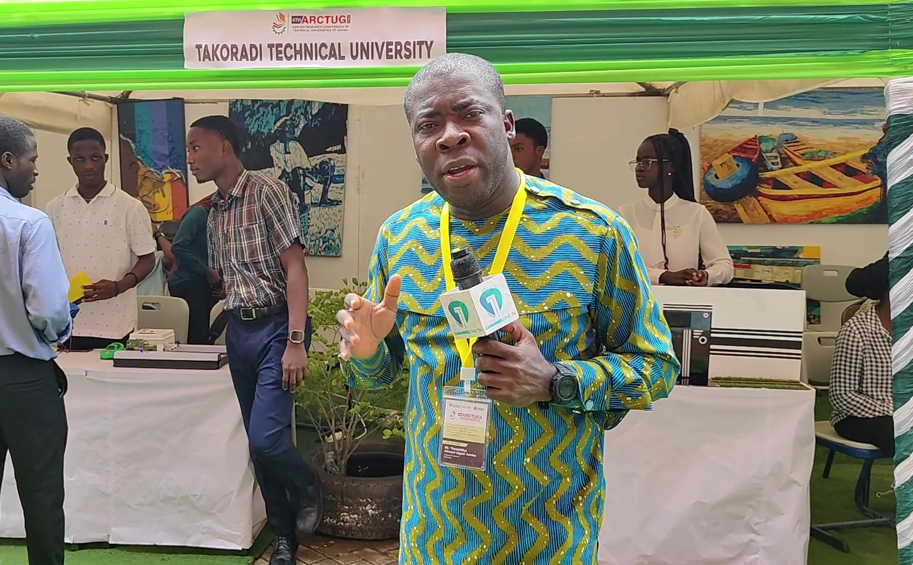
A Ghanaian journalist reporting from Accra, Takoradi, Kumasi or Tamale, should look unmistakably Ghanaian. The world should immediately recognize the uniqueness of Ghana through the appearance of its media professionals.
Countries such as Japan, India, Nigeria and several Gulf states have demonstrated that embracing indigenous clothing does not diminish professionalism or global relevance. Instead, it strengthens national identity while commanding international respect.
Similarly, Ghanaian journalists should proudly wear modern African attire that reflects both professionalism and cultural authenticity.
Promoting Tourism Through Everyday Visibility:
Tourism is built on visibility. Governments invest millions of cedis promoting Ghana’s culture through festivals, museums, heritage sites and international exhibitions.
However, one of the country’s strongest tourism assets appears on television every single day—the Ghanaian journalist. News anchors, field reporters and programme hosts collectively appear before millions of viewers both locally and internationally.
If these journalists consistently showcase elegant Ghanaian fabrics and professionally tailored African clothing, they become daily ambassadors of Ghanaian culture. International audiences watching Ghanaian news channels would immediately recognize distinctive styles unique to Ghana.
Foreign visitors may become curious about the stories behind Kente patterns, Adinkra symbols, northern smocks and locally produced textiles. Such curiosity can translate into increased demand for Ghanaian fabrics, visits to weaving communities, patronage of local designers and stronger cultural tourism.
In this sense, journalists become silent marketers of Ghana’s creative economy without uttering a single promotional slogan.
Supporting Local Industry and Reducing Import Dependence:
Ghana spends significant foreign exchange on imported clothing, textiles and fashion accessories. Although clothing imports are only one part of the country’s import bill, encouraging greater use of locally designed and produced apparel can help strengthen domestic industries while reducing dependence on imported products.
If Ghanaian journalists increasingly choose locally made African attire, several positive outcomes could follow.
First, demand for Ghanaian textile manufacturers would increase.
Second, local fashion designers, tailors and garment producers would receive more business.
Third, cotton farmers, fabric traders and artisans would benefit from stronger domestic value chains.
Finally, keeping a larger share of clothing expenditure within Ghana would support local employment and reduce pressure to rely solely on imported professional wear.
This is not to suggest that all imported clothing should disappear. Rather, Ghana should aim for a healthier balance in which locally made clothing occupies a much greater place in professional life. Ghananian journalists and for that matter Ghananians must not reduce African wear to just Fridays or Wednesdays, but a way of life.
Climate-Responsive Professionalism:
Climate change has made high temperatures even more common across many African countries. Employers increasingly recognise the importance of comfortable workplaces and climate-sensitive practices.
Professional dress codes should evolve accordingly. It is difficult to justify requiring reporters to stand for long hours under intense sunlight wearing heavy jackets, neckties and multiple clothing layers that were originally designed for cold climates. Instead, organisations should develop professional dress guidelines suited to Ghana’s weather. Such guidelines could encourage:
- Smart African print shirts and dresses
- Modern smocks for formal reporting
- Adinkra and Kente-inspired jackets
- Lightweight locally produced fabrics
- Professional sandals or appropriate footwear where suitable
Clothing that balances comfort, dignity and cultural identity. Professional appearance depends on cleanliness, good tailoring, modesty and confidence—not necessarily on wearing a tie.
Learning from Other Nations:
Many countries proudly incorporate indigenous clothing into professional life. In Nigeria, senators, governors, academics and television presenters frequently wear agbada, senator suits and other traditional styles during official engagements.
In India, the Nehru jacket, kurta and saree are common in professional and diplomatic settings. In Indonesia, batik shirts are recognised as formal office wear. These countries have demonstrated that indigenous clothing can coexist with international professionalism.Ghana can do the same.
A Call to Media Houses:
Media organisations have an important role to play. Editors, station managers and news directors should encourage African-inspired professional dressing rather than insisting on outdated conventions rooted in different climatic realities.
Journalism schools should also teach students that professionalism is reflected in ethics, competence, credibility and communication—not merely in Western dress. Professional bodies can further support this shift by recognising African attire as appropriate dress for conferences, awards ceremonies and official media engagements. Such institutional support would gradually normalise climate-appropriate professional clothing.
Conclusion :
The conversation about how Ghanaian journalists dress is ultimately a conversation about identity. Our clothing should tell the story of our climate, our heritage and our aspirations as a people.
When Ghanaian journalists confidently wear elegant African attire, they communicate authenticity. They promote tourism. They support local industries. They inspire national confidence. They demonstrate that professionalism does not require abandoning one’s cultural identity.
The newsroom should become one of the strongest platforms for projecting the Ghanaian personality to the world. After all, journalism is about representing society truthfully. If our stories celebrate Ghana while our appearance imitates another climate and culture, we send conflicting messages.
It is time for Ghanaian journalists to lead by example. Let the African journalist look African. Let the Ghanaian journalist dress Ghanaian.
And let professionalism be defined not by imported clothing designed for winter, but by excellence, integrity and confidence rooted in our own environment.
The writer Akwasi Agyei Annim is a journalist with Citi FM and Channel One TV