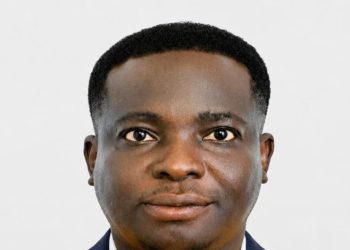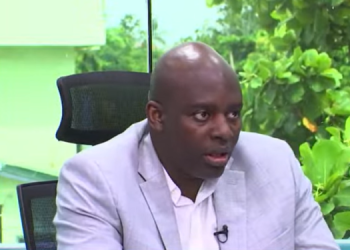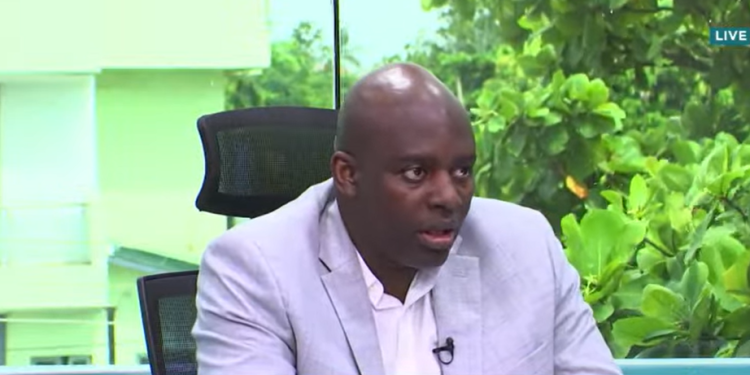
A research fellow at the Centre for Democratic Development (CDD-Ghana), Dr John Osae-Kwapong, has cautioned against attempts to reinterpret Ghana’s constitutional presidential term limits, warning that the country should avoid the path of “constitutional fidgeting” seen in some neighbouring states.
Speaking on The Big Issue on Channel One TV on Saturday, July 11, Dr. Osae-Kwapong said while the Supreme Court has the authority to clarify constitutional provisions, it should not become a vehicle for altering the intent of presidential term limits through judicial activism.
“My position has always been very, very clear,” he said. “I’m not a constitutional expert, I’m not a lawyer, but the words in 66(2) couldn’t have been any clearer.”
Dr Osae-Kwapong said Ghana’s democratic experience and the historical circumstances that produced the 1992 Constitution pointed to a deliberate effort by its framers to prevent political entrenchment through presidential term limits.
“I wrote an opinion piece where I discussed this issue of what I call constitutional fidgeting, where you see some of our neighbours, places like Côte d’Ivoire, that have found a way to fidget with this idea of term limits,” he said.
He stressed that although he had no objection to citizens seeking constitutional clarification where provisions are genuinely ambiguous, presidential term limits did not fall into that category.
“I have no problem if we think that actions or contemplated actions can offend the Constitution and therefore we need clarity. But when it comes to the issue of term limits, I don’t know how else we want to interpret two terms.”
His comments come as debate intensifies over presidential term limits following a case before Ghana’s Supreme Court in which two citizens are seeking an interpretation of Article 66 of the 1992 Constitution.
Osae-Kwapong argued that beyond the constitutional text, Ghana had developed democratic conventions that previous presidents had respected by leaving office after serving the maximum period allowed.
“Rawlings served just two terms exited quietly. Kufuor walked away. President Nana Akufo-Addo has walked away. Some of these things must even inform whatever conversations we want to have around the issue of term limits.”
He also rejected suggestions that a president’s performance should justify revisiting constitutional limits, arguing that term limits exist to protect democratic governance rather than reward popular leaders.
“For me, the African problem is not one of how many years you get to serve in office,” he said. “The term limit for me is a protection against allowing a good president to exit when the applause is loudest, but also to allow a bad president to exit so they don’t cause any more injury to citizens.”
The political scientist further cautioned against relying on purposive constitutional interpretation in ways that could expand presidential tenure.
“Purposive interpretation should not also become the basis, in my respectful opinion, to engage in judicial activism, regardless of how great you think President John Mahama is doing.”
Drawing comparisons with countries that have amended or reinterpreted constitutional provisions to extend presidential rule, Osae-Kwapong said Ghana should resist similar attempts.
“Our neighbours who have been doing constitutional fidgeting, the story makes it very clear that this is not a path we want to go down on.”