The National Petroleum Authority (NPA) has defended its regulatory inspections, insisting they are designed to protect investments in Ghana’s downstream petroleum sector rather than penalise operators.
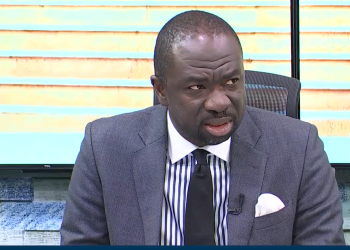
Speaking during a panel discussion at the Ghana International Petroleum Conference, Chief Executive Officer of the NPA, Godwin Edudzi Tameklo, urged petroleum service providers to view inspections as an essential risk management tool that safeguards businesses against operational failures, reputational damage and financial losses.
According to him, routine inspections of fuel stations and other petroleum facilities are intended to identify potential safety and operational risks before they escalate, while ensuring compliance with industry regulations and standards.
“Whatever we do as regulators is to protect your investment. If NPA staff come to inspect your service station, don’t take it as a form of punishment or harassment. It is for your own good,” he said.
Mr. Tameklo cautioned that accidents or regulatory breaches at petroleum facilities can have far-reaching financial consequences, including loss of capital, reputational damage and disruptions to business operations.
“If there is an issue at your station, it comes with reputational risk, loss of capital and investment. You need to cooperate with us to ensure your business is protected through effective regulation,” he added.
The NPA Chief Executive further assured industry players that the Authority’s enforcement approach would remain balanced, focusing on supporting sustainable business growth while protecting consumers.
“We will not come out with anything obnoxious. We will ensure that we protect your business and protect the consumer as well,” he stated.
His remarks come amid renewed industry discussions on regulatory compliance, operational safety and the need to strengthen oversight across Ghana’s downstream petroleum sector as investment in the industry continues to grow.
From a policy perspective, the NPA’s position reflects a shift towards preventive regulation—one that prioritises early risk detection over punitive enforcement.
For operators, stronger compliance can reduce operational disruptions, lower financial exposure and enhance investor confidence.
For consumers, it reinforces safety standards and supports a more resilient and reliable petroleum supply chain.
The Authority maintains that effective regulation remains essential to protecting investments, strengthening operational standards and ensuring the long-term sustainability of Ghana’s downstream petroleum industry.