
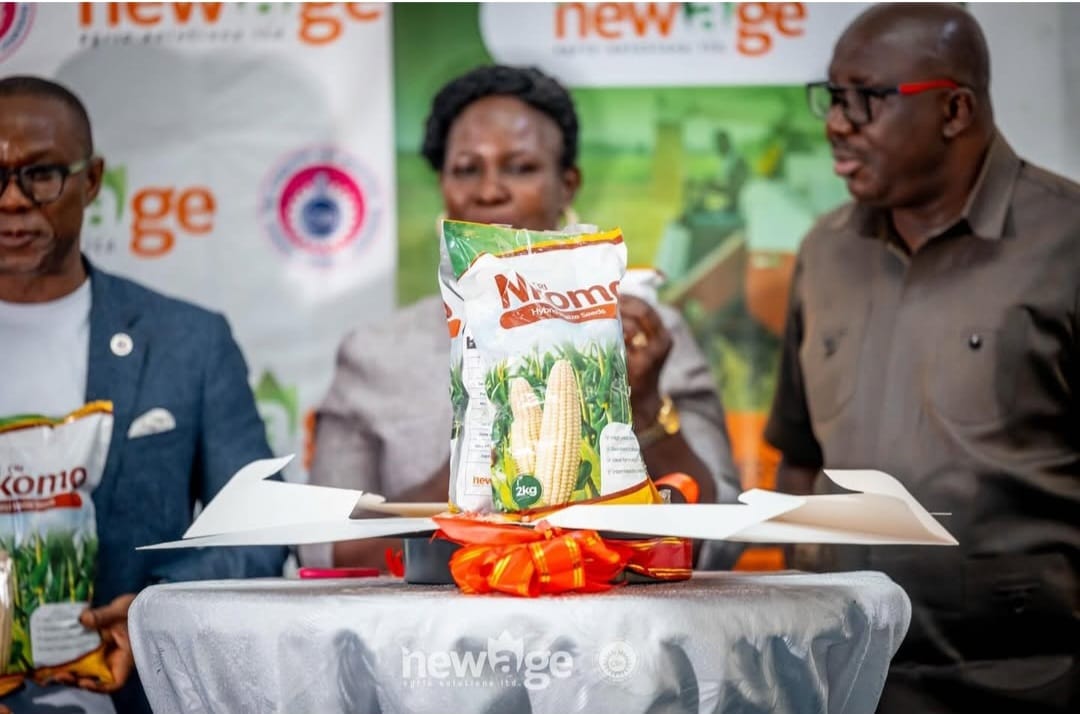
Newage Agric Solutions Ltd, in collaboration with the Council for Scientific and Industrial Research – Crop Research Institute (CSIR–CRI), has developed a new maize variety, CRI Nkomo, aimed at improving food security and increasing farmers’ incomes across Ghana.
The new variety, officially launched on Thursday, March 26, 2026, forms part of efforts to commercialise locally developed agricultural technologies and reduce dependence on imported seeds.
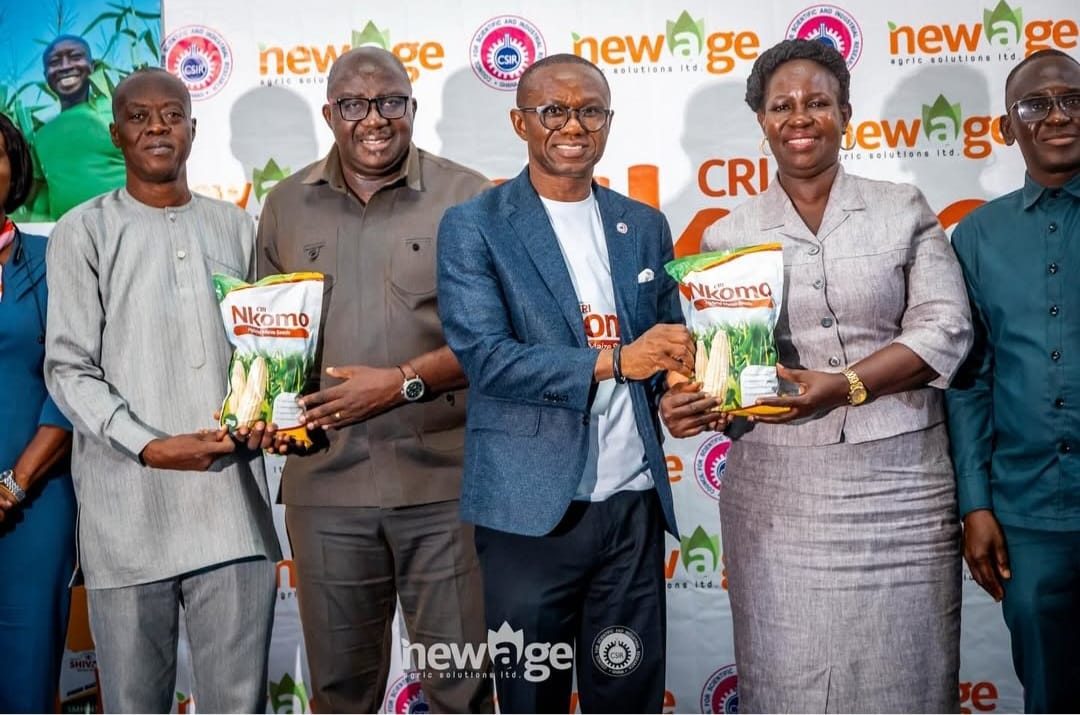 Managing Director of Newage Agric Solutions Ltd, Martin Tettey Nartey Junior, explained that the partnership focuses on making improved seeds more accessible and affordable to farmers.
“We are picking up the work research has done and commercialising it—multiplying the seeds and making them available to millions of farmers across the country,” he said.
According to him, the locally developed CRI Nkomo seeds are cheaper than imported varieties because farmers will not have to pay import duties and other associated costs.
 He added that the initiative will help strengthen food security while keeping production within the country.
The CRI Nkomo maize variety also comes with improved characteristics, including a potential yield of 7.5 tonnes per hectare, high tolerance to maize streak virus disease (MSVD), and a strong nutritional composition: 64.77% carbohydrate, 13.75% protein, 7% fat, 1.78% fibre, 2.0% ash content, and 7.9% starch. It also has a swelling power of 4.59% and a water-binding capacity of 300%.
Director of CSIR–CRI, Professor Maxwell Darko Asante, noted that the variety was developed to suit local farming conditions.
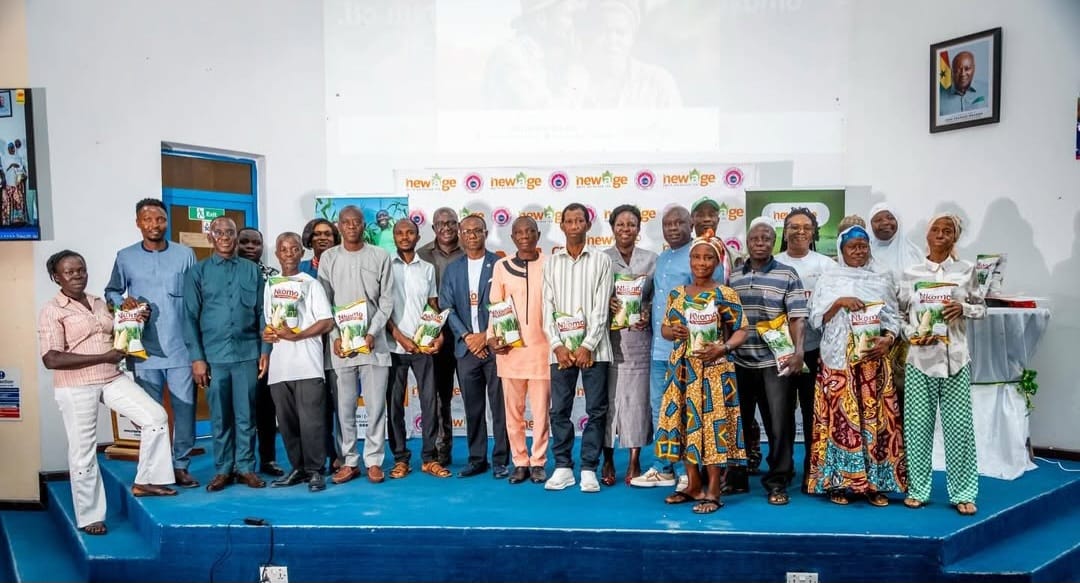 “The goal for developing this variety was high yield and disease resistance,” he said. “It is also a medium-maturing variety, allowing it to escape terminal drought.”
He emphasised the importance of collaboration between research institutions and private companies, saying, “Researchers develop innovations and technologies and partner with the private sector so they can reach farmers where they are.”
Prof. Asante described the development as significant, adding, “This is the first indigenous variety they are commercialising. We retain foreign exchange in Ghana and create jobs for our people.”
Chairman for the event and Group CEO of Agri-Impact Group, Daniel F. Acquaye, described the initiative as transformative and economically beneficial.
“When you assess it economically, the farmer is going to double his or her income,” he said.
He further highlighted employment opportunities, stating, “There is an opportunity to estimate seed production volumes and determine the number of jobs that can be created.”
He also stressed the broader goal of research impact, noting, “Research doesn’t end at what has been discovered; it ends with the impact that discovery makes.”
Ashanti Regional Director of the Ministry of Food and Agriculture, Dr. David Anambam, highlighted the variety’s impact on productivity.
“This Nkomo variety yields about 7.5 tonnes per hectare, compared to what farmers used to get, which was less than one tonne per acre,” he said.
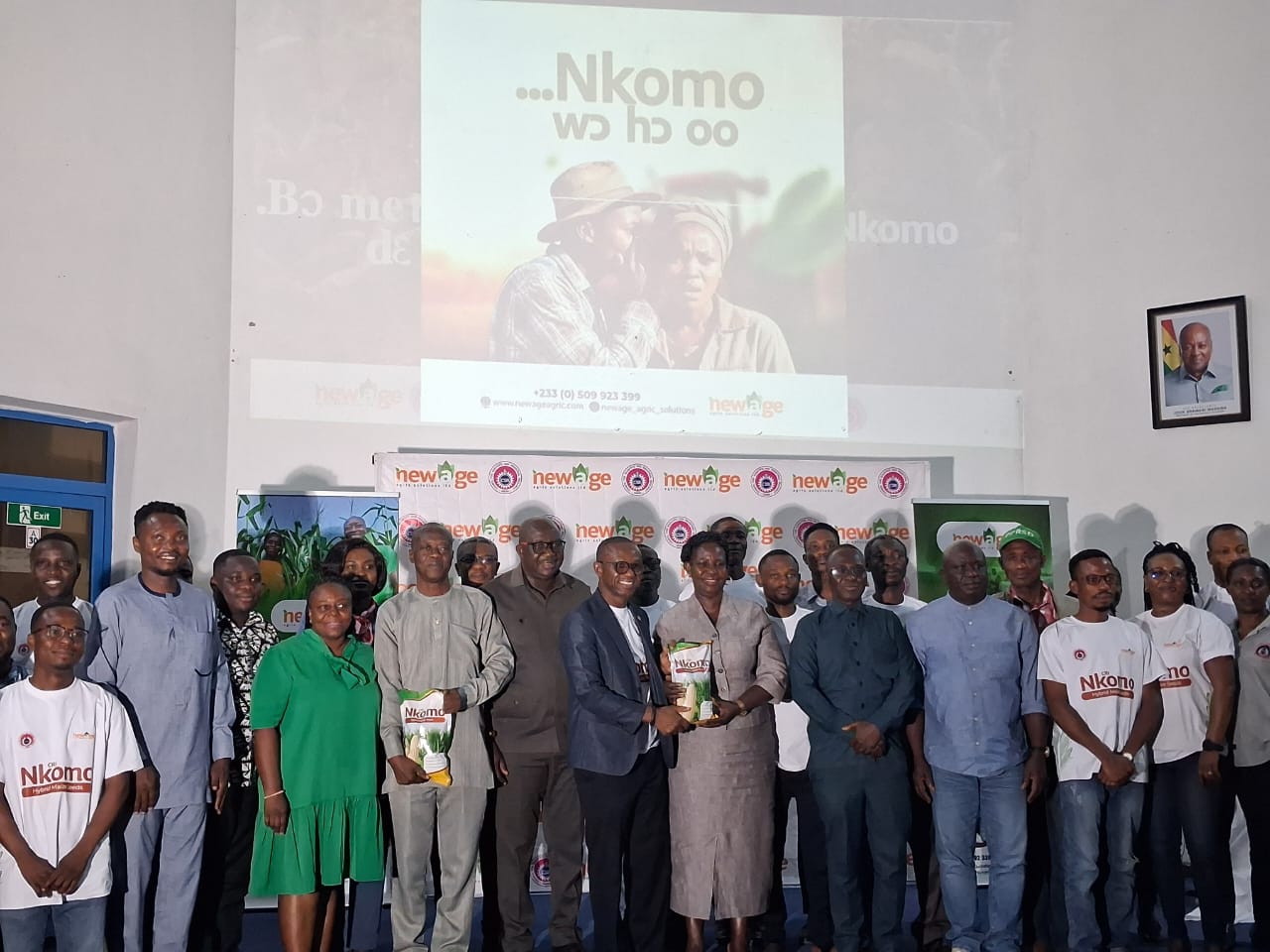 He further noted that the crop matures faster—within 100 to 105 days—helping farmers avoid drought.
“If you have a variety that matures earlier, it can escape prolonged drought, and that is a big advantage,” he explained.
Dr. Anambam added that the initiative aligns with government programmes such as the Grow Ghana agenda, which seeks to boost productivity, create jobs, and support farmers with technical assistance and inputs.
The introduction of CRI Nkomo is expected to improve yields, enhance resilience to climate change, and contribute significantly to Ghana’s drive towards food sufficiency.