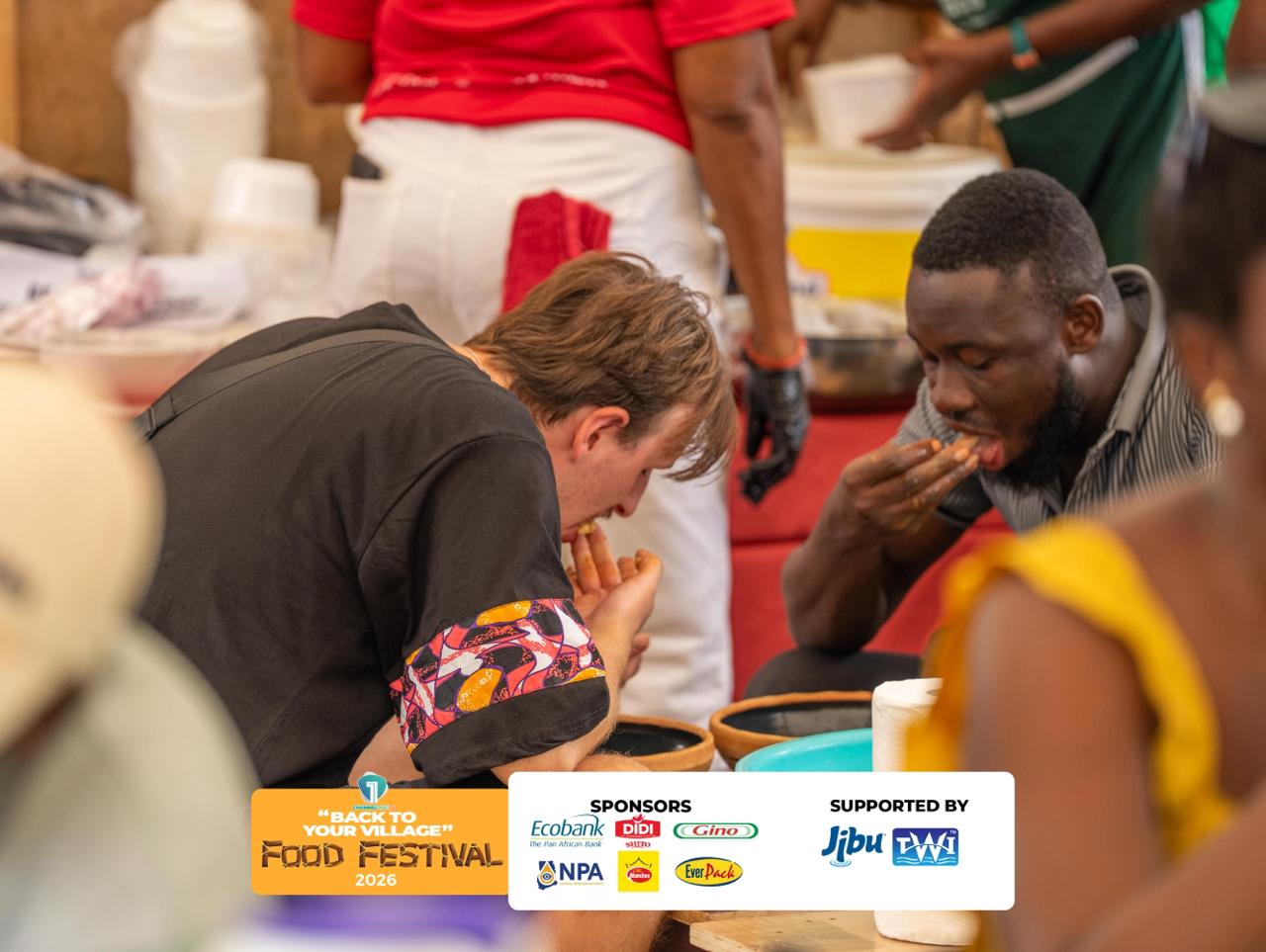
For two vibrant days, Citi FM and Channel One TV’s Back to Your Village Food Festival transformed the Efua Sutherland Children’s Park into a living showcase of Ghana’s cultural and economic potential. But beyond the music, food, and colour, the festival revealed something deeper—an untapped pathway for national development.
What played out was more than a celebration of heritage; it was a working model of how culture, when properly supported, can drive economic growth, create jobs, and strengthen local industries.
A Thriving Micro-Economy in Motion
From food vendors to artisans, performers to event staff, the festival created a bustling ecosystem of economic activity. Vendors reported strong sales, with many describing the event as one of their most profitable outings yet.
This is no coincidence. When thousands gather to eat, buy, and experience culture, money circulates rapidly within the local economy. Every plate of banku, bowl of fufu, or serving of tuo zaafi represents income for farmers, traders, transport operators, and cooks along the value chain.
In essence, the festival functions as a compressed economic hub—one that demonstrates how local consumption can stimulate growth when demand is intentionally created.
Jobs, Skills, and Youth Empowerment
The festival also highlighted its potential as a job creation platform, particularly for young people.
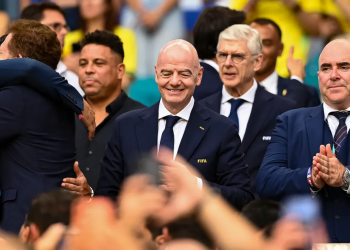
Deputy Minister for Local Government, Rita Naa Odoley Sowah, noted that such initiatives create employment opportunities and provide a pathway for youth to turn skills like cooking into viable businesses.
In a country grappling with youth unemployment, scaling such initiatives nationwide could unlock thousands of small business opportunities across the food and creative sectors.
Boosting Local Production and Reducing Imports
At its core, the festival champions local food systems—a key pillar for economic resilience.
Minister for Fisheries and Aquaculture, Emelia Arthur, emphasised that Ghana must move beyond rhetoric and treat initiatives like “Back to Your Village” as a national development strategy.
By promoting local food production and consumption, Ghana can reduce reliance on imports, strengthen rural economies, and improve food security.
Every locally sourced ingredient used at the festival—from cassava to maize, fish to spices—represents a deliberate shift toward self-sufficiency and value retention within the economy.
Supporting Local Businesses and Industry Growth
Minister for Tourism, Culture and Creative Arts, Abla Dzifa Gomashie, underscored the broader economic impact of supporting indigenous businesses.
She pointed out that increased patronage leads to higher revenues for local enterprises, which in turn boosts tax generation and funds national development projects such as roads and infrastructure.
The festival also showcased locally made products—from earthenware bowls to traditional tools—highlighting the potential of Ghana’s creative and manufacturing sectors when given visibility and demand.
Culture as an Economic Asset
Too often, culture is treated as symbolic rather than strategic. Yet the festival demonstrated that culture is currency.
Music performances, traditional dances, and the recreation of village life were not just entertainment—they were economic drivers attracting crowds, sustaining vendors, and creating a unique value proposition that modern, Western-style events cannot replicate.
This positions Ghana not only for domestic economic growth but also for cultural tourism, a sector with significant revenue potential if properly developed.
Why Government Support Is Critical
Despite its success, the festival’s long-term impact will depend heavily on government backing. Strategic support could include:
Expanding the festival to all 16 regions
Providing funding and infrastructure for vendors and organisers
Integrating the event into national tourism and economic planning
Offering training and financing for small-scale food entrepreneurs
Strengthening policies that promote local production and consumption
With the right support, the festival could evolve into a national economic programme, not just an annual event.
A Blueprint for the Future
The success of the 2026 edition sends a clear message: Ghana already has the ingredients for economic transformation—its people, its culture, and its food systems. What is needed is intentional investment and policy direction.
The “Back to Your Village” concept is more than nostalgia. It is a blueprint for inclusive growth—one that connects rural producers to urban markets, empowers youth, and builds a resilient, culturally grounded economy.
If scaled and supported, it could redefine how Ghana approaches development—proving that sometimes, the way forward begins by going back to our roots.
Powered by Channel One TV, with support from Citi FM, the festival is sponsored by Ecobank, Gino, Didi Shito, Munchee Biscuits, Jibu Ghana, Tweilium Industries, the National Petroleum Authority, and Everpack.