In the heart of Accra’s bustling informal economy, where resilience often replaces opportunity, a quiet transformation is taking place—one that is redefining what it means to empower women economically.
Spearheaded by the Rotary Club of Accra Cantonments East (RACE), the Empower Her Project is equipping underserved women with the tools, skills, and confidence to move from subsistence trading to structured, income-generating enterprises.
One year after its implementation, an independent impact assessment reveals compelling outcomes: stronger businesses, improved household welfare, and a renewed sense of agency among beneficiaries.
From Informal Hustle to Structured Enterprise
Prior to the intervention, many beneficiaries operated small, informal businesses with limited growth potential. Income was irregular, savings were minimal, and business decisions were largely intuitive rather than strategic.
“I was producing small quantities and selling slowly just to survive,” one participant recounted. “There was no real plan.”
Through Empower Her, that narrative has changed.
The programme delivered a combination of:
• Business management training
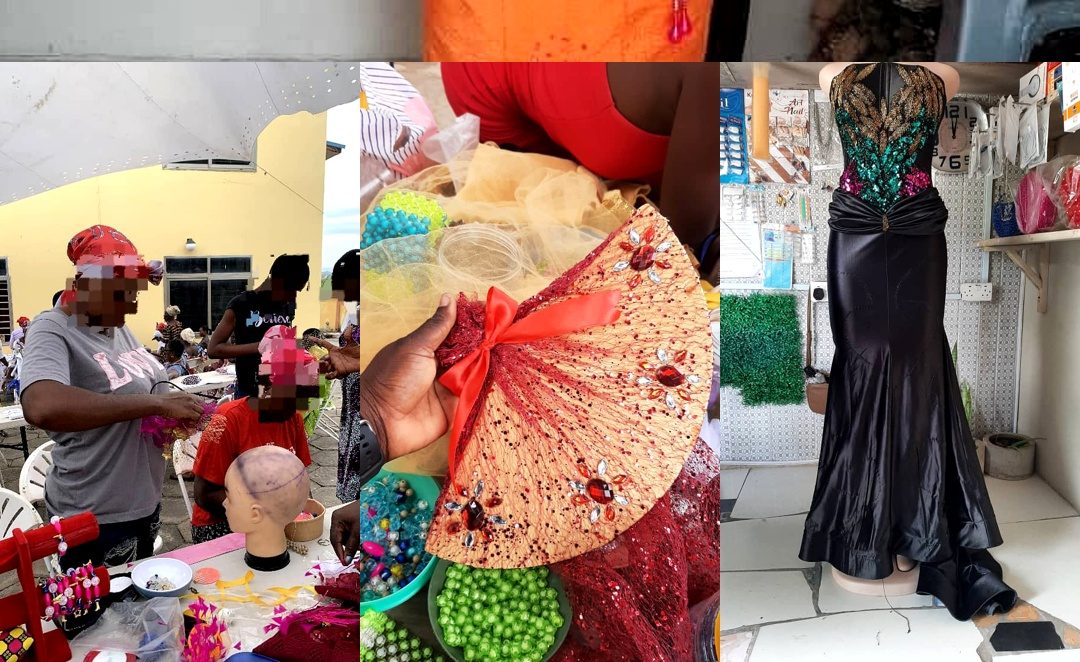
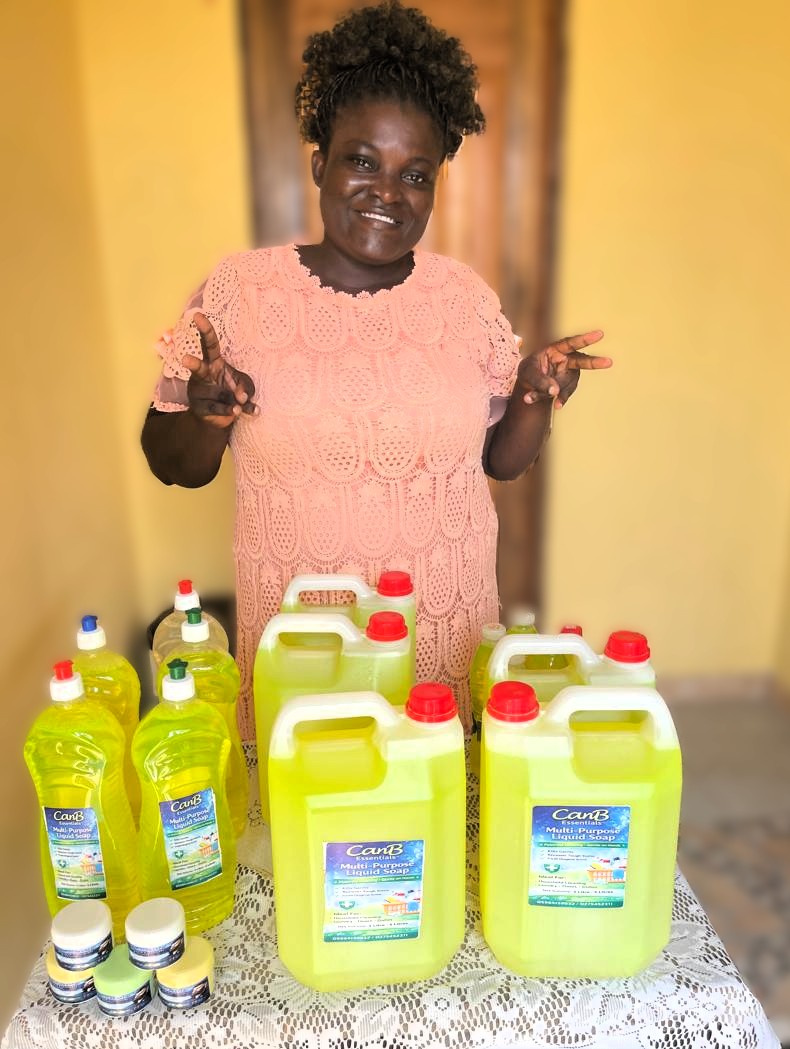
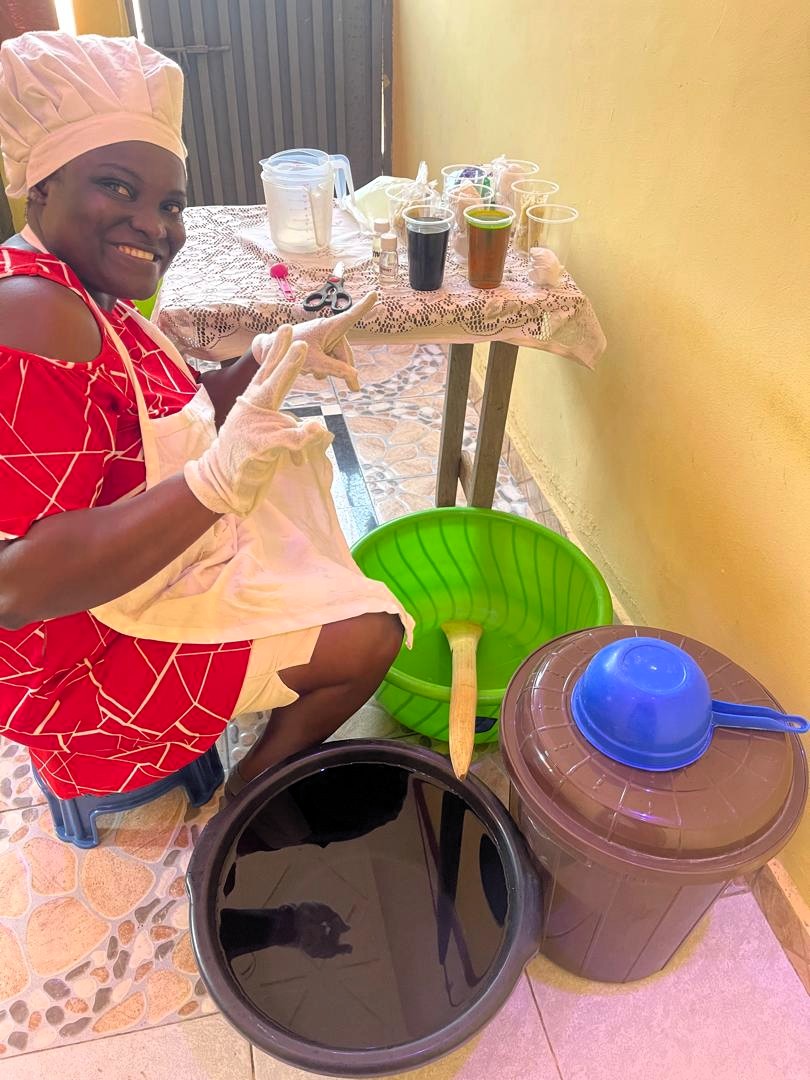
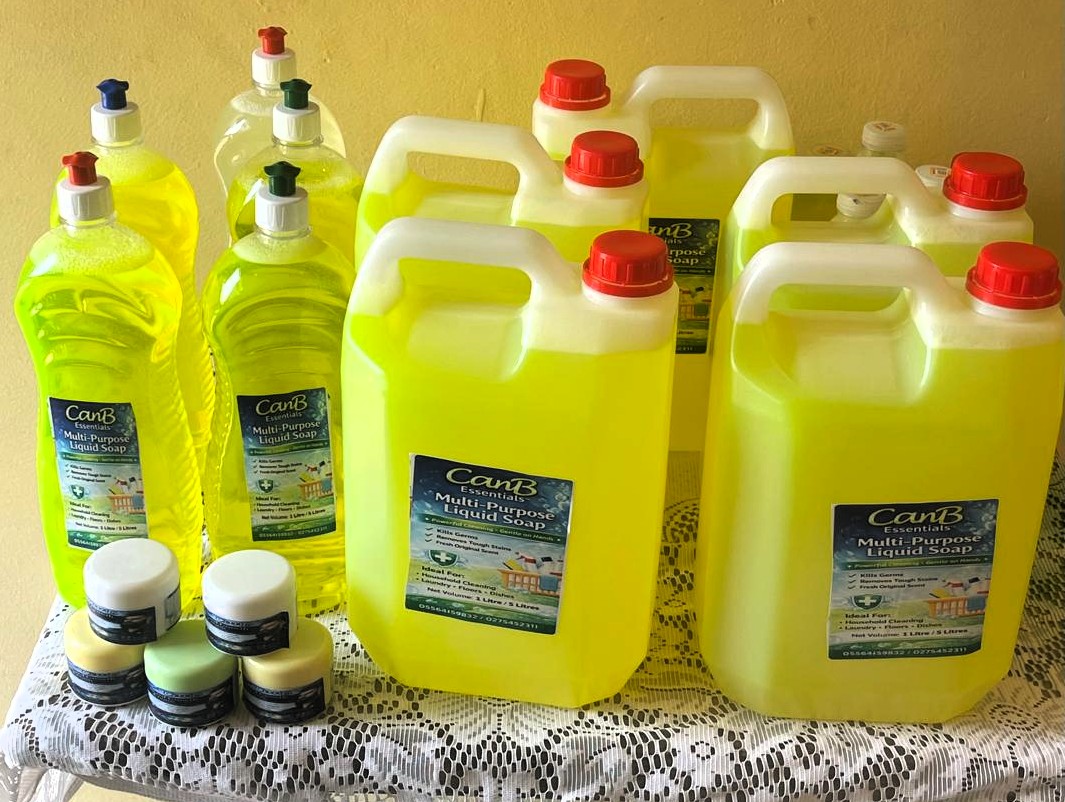
• Vocational skills development in baking, skincare, and detergent production
• Start-up support in the form of grants and equipment
This integrated approach has enabled women to transition from fragmented trading activities into intentional entrepreneurship.
Strong Gains in Business Performance
The results are significant.
According to the assessment:
• 66.7% of participants are engaged in income-generating activities
• 77.8% now earn monthly profits above GHS 300, up from 33.3% pre-project
• All new businesses established remain operational one year
Some beneficiaries now report monthly earnings between GHS 1,000 and GHS 2,000, marking a decisive shift from marginal income levels to sustainable revenue streams.
These gains have been driven not only by vocational skills, but also by improved business practices, including cost-based pricing, record-keeping, and customer segmentation.
Financial Discipline and Market Expansion
Beyond income, the project has catalysed behavioural change.
• 85% of beneficiaries now save regularly
• Many have adopted budgeting practices and reinvest profits into their
At the same time, nearly half of participants have expanded beyond their immediate communities, leveraging digital tools—particularly WhatsApp—to reach new customers.
“My business is no longer limited to my area,” one entrepreneur shared. “I now get orders from outside my community.”
Empowerment Beyond Economics
The impact of Empower Her extends beyond enterprise performance.
Women report:
• Increased confidence in managing businesses
• Greater control over income
• Improved decision-making power within their households
For many, this has translated into tangible improvements in quality of life, including the ability to support family members, finance healthcare, and invest in education.
“I no longer have to depend on others,” a beneficiary noted. “My business now supports my home.”
Key Lessons and the Road Ahead
The assessment highlights several critical success factors:
• Combined business and vocational training yields stronger outcomes
• Start-up support accelerates business initiation
• Practical, hands-on learning drives real change
However, challenges remain:
• Limited access to equipment and capital
• Barriers to certification and formal market entry
• Need for structured post-training mentorship
Addressing these gaps will be essential to scaling the model and deepening its impact.
A Model for Inclusive Economic Growth
The Empower Her Project demonstrates the potential of targeted, well-designed interventions to unlock women’s economic potential in Ghana’s informal sector.
By combining skills development with practical support, the Rotary Club of Accra Cantonments East has created a pathway from vulnerability to resilience, and from survival to enterprise.
As Ghana continues to pursue inclusive growth, initiatives like Empower Her offer a blueprint for empowering women not just as participants in the economy, but as drivers of it.