





More than 500 pupils from the Nima Cluster of Schools and over 100 residents of the Nima community have benefited from a comprehensive health screening exercise organised by Clear Horizons Ghana-Canada in partnership with the Ayawaso East Health Directorate of the Ghana Health Service.
 The outreach programme, which ran on June 2 and June 4, focused primarily on eye health screening but also included additional health screenings.
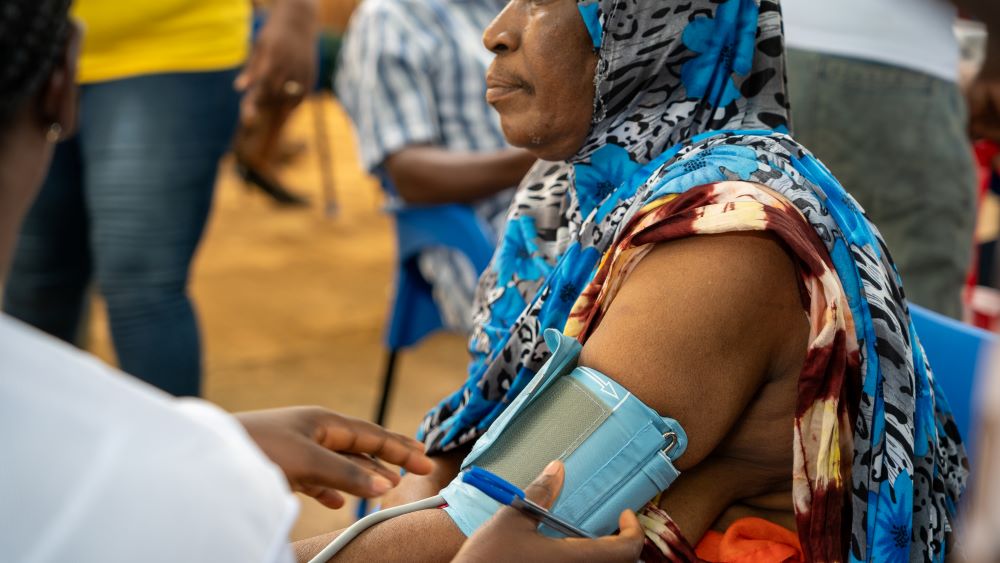
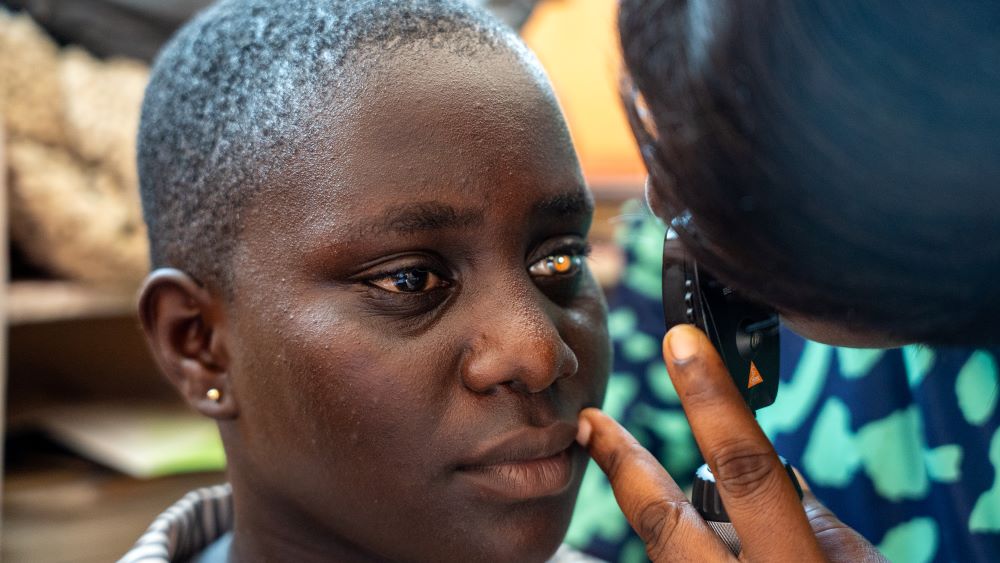 The community programme on June 4th welcomed adults as well and included additional stations examining systemic health that may contribute to or be influenced by eye health. The community outreach programme included blood pressure checks, glucose testing, mental health screening, malaria, HIV and tuberculosis screening, oral health assessments and medical counselling in addition to the eye screening.
 In advance of the screening clinics, the team held multiple community engagement meetings with local chiefs, community leaders and stakeholders to discuss the initiative, build partnerships, and ensure that the programme was tailored to the needs of the community and successfully implemented.
 The initiative was spearheaded by Clear Horizons Ghana-Canada, a volunteer initiative founded by three Canadian medical students—siblings Jeswende Seedu and Tegwende Seedu, who are direct descendants of the founder of Nima, Mallam Futa, and their colleague, Boaz Li.
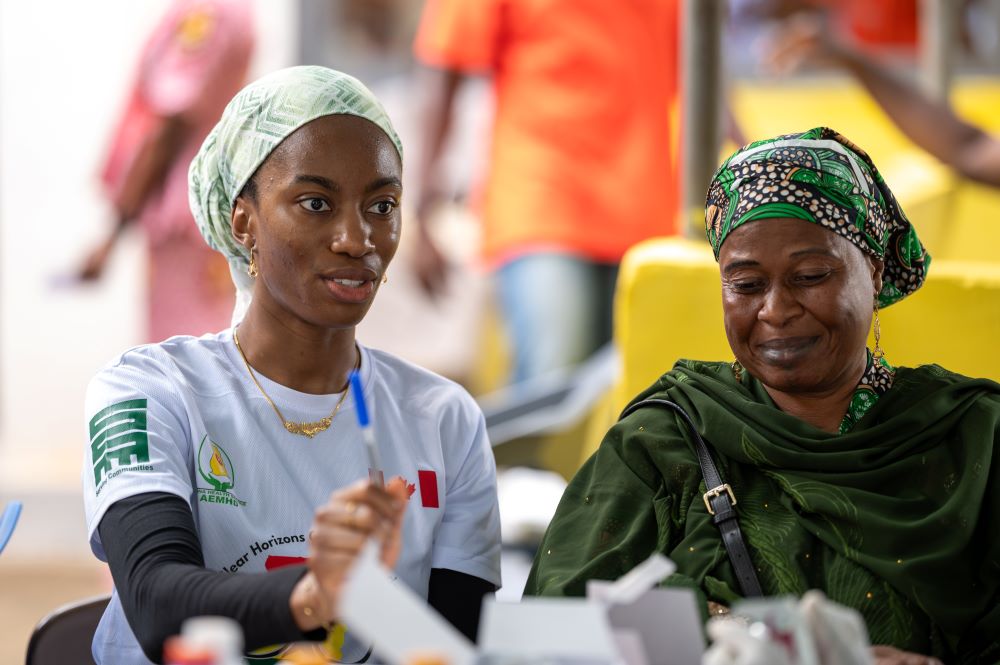 Speaking after the exercise, the organisers described the programme as a major success, particularly among schoolchildren, where a number of eye-related conditions were detected and referred for follow-up.
“On Tuesday, June 2nd, we screened over 500 kids, and we were able to identify many children with conditions such as refractive errors, dry eye disease and potential juvenile glaucoma,” said Jeswende Seedu, a medical student and co-founder of the organisation.
 He explained that many childhood eye conditions can be effectively treated once they are detected and referred for care. The greater challenge is ensuring that children with vision problems are identified early enough to benefit from those interventions.
 “One thing I learned is that many childhood eye conditions can be treated through glasses, medication, or surgery when they are identified early. The challenge is finding those children in the first place and connecting them with the care they need. That’s one of the core reasons we came here to do this programme,” Jeswende noted.
 Jeswende, Tegwende and Boaz said they intentionally focused on schoolchildren for the first screening day because vision problems often go unnoticed and can negatively affect a child’s academic performance and development.
 “Even a small refractive error can impact a child’s ability in the classroom. A child may be labelled as less intelligent or uncooperative when the real problem is that they cannot see properly,” Jeswende explained.
His colleague, Tegwende Seedu, said screening children represents an important preventive intervention that is both cost-effective and capable of producing better long-term health outcomes. “If we catch a developing problem early and treat it, it is more cost-effective and better for the child’s education and future. Our children are our future, so why not invest in them?” she said.
 The organisers also used the opportunity to educate parents about warning signs of eye disease, including sudden changes in vision, eye pain, persistent itching, and symptoms associated with conditions such as glaucoma.
 They noted that other eye conditions affecting children include dry eye disease, allergies, congenital disorders such as strabismus, commonly known as lazy eye, and, in some cases, childhood cataracts.
Beyond eye health, the outreach incorporated screening for non-communicable diseases such as hypertension and diabetes, which can also affect vision if left untreated.
 The organisers explained that prolonged high blood pressure and uncontrolled diabetes can damage blood vessels in the eyes, leading to serious vision complications.
They encouraged parents to take children’s complaints about vision seriously and seek professional medical attention whenever concerns arise.
“Sometimes something as simple as reading glasses can have a huge impact on a child’s life. Our children are our future and our investment, so it is important that we cherish them and protect their health,” Jeswende said.
 During the community screening on June 4th, the chief of Nima, Nii Futa, elaborated on the significance of Jeswende, Tegwende and Boaz choosing Ghana as their site of global health collaboration.
 “Their great-grandfather established Nima and named it Nima. So they are here because they can only be here. When they decided to come to Ghana and help, the first place they thought of was, of course, their roots. I am very proud of them.”
Member of Parliament for Ayawaso East, Baba Jamal, commended the organisers and urged natives of Nima living abroad to contribute to the development of their community.
 “This is where I will take the opportunity to speak to those Nima citizens who are outside the country. You should learn from this gesture and not stay in the comfort of abroad, but just come in when there are problems. You should think about Nima.
“So when you have any opportunity abroad, those in America, Japan, Germany, London, wherever you are, once you have the opportunity, try to emulate these young people, and bring whatever support you can bring to help your people down in Nima. It is important to know that you are because we are. If we are not there, you are not there,” he said.
The Municipal Director of Health Services, Dr Victor Hagan, said the directorate had recorded encouraging results over the past year through a combination of facility-based care and community interventions.
The latest exercise focused on eye health but also included oral health assessments, blood pressure checks and blood sugar screening.
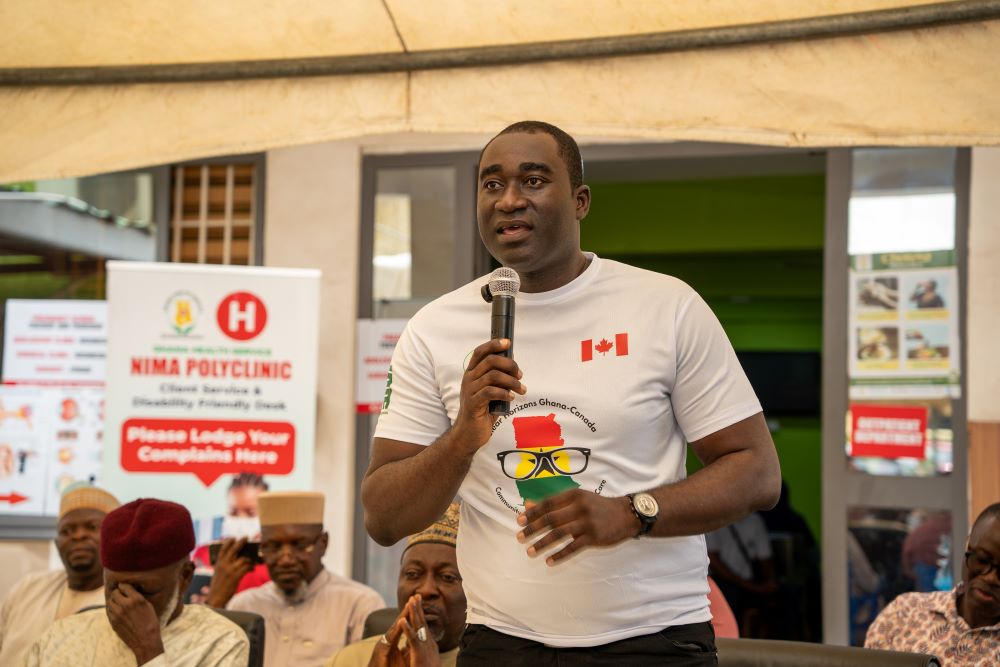 “We are not only doing eye screening. We are doing oral health screening, alongside blood pressure checks and blood sugar checks, so that we can have a total picture of their health status,” he said.
Secretary to the Ayawaso East Zongo Council of Chiefs, Kabiyesi Kamaldeen Saliu, said community education remained essential to improving health-seeking behaviour in Zongo communities.
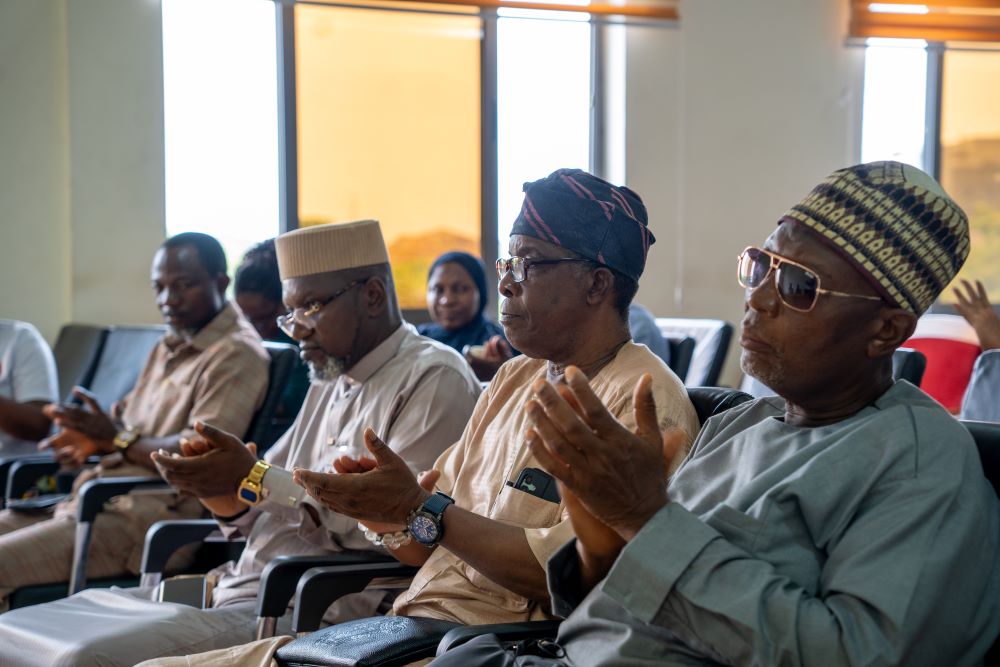
“In our end here in the Zongos, we have some deficiencies. Not many of us are enlightened. Until you go and bring them out, to educate them, they, on their own, will not come out. So now that this programme has come into this community with this programme, we are very appreciative,” he said.
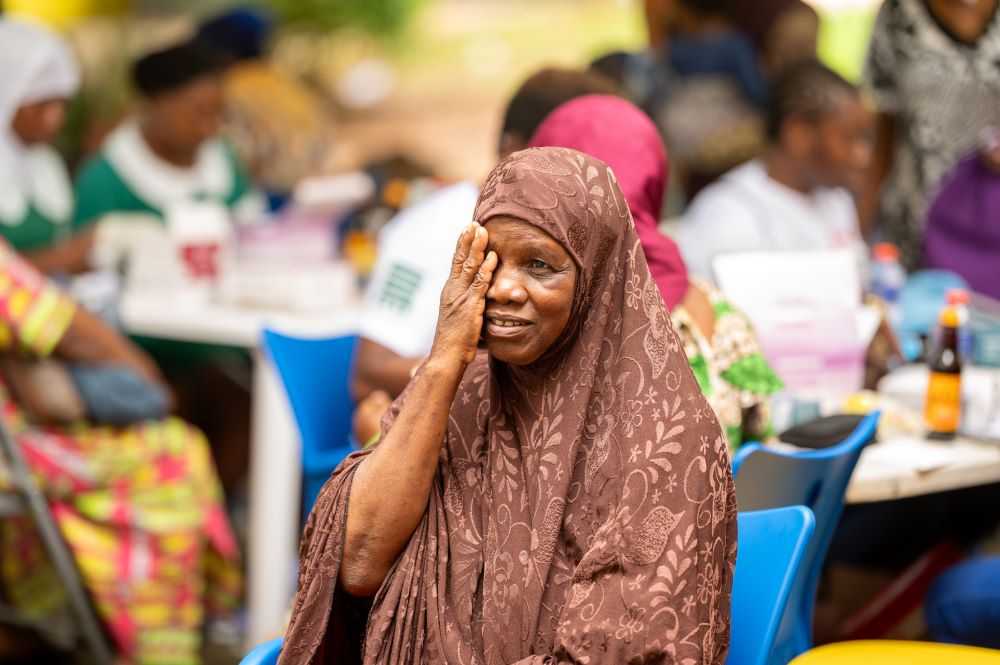
Among the beneficiaries was Sanfo Fatimata, who said she had struggled with worsening eye problems for decades and had been unable to afford treatment.
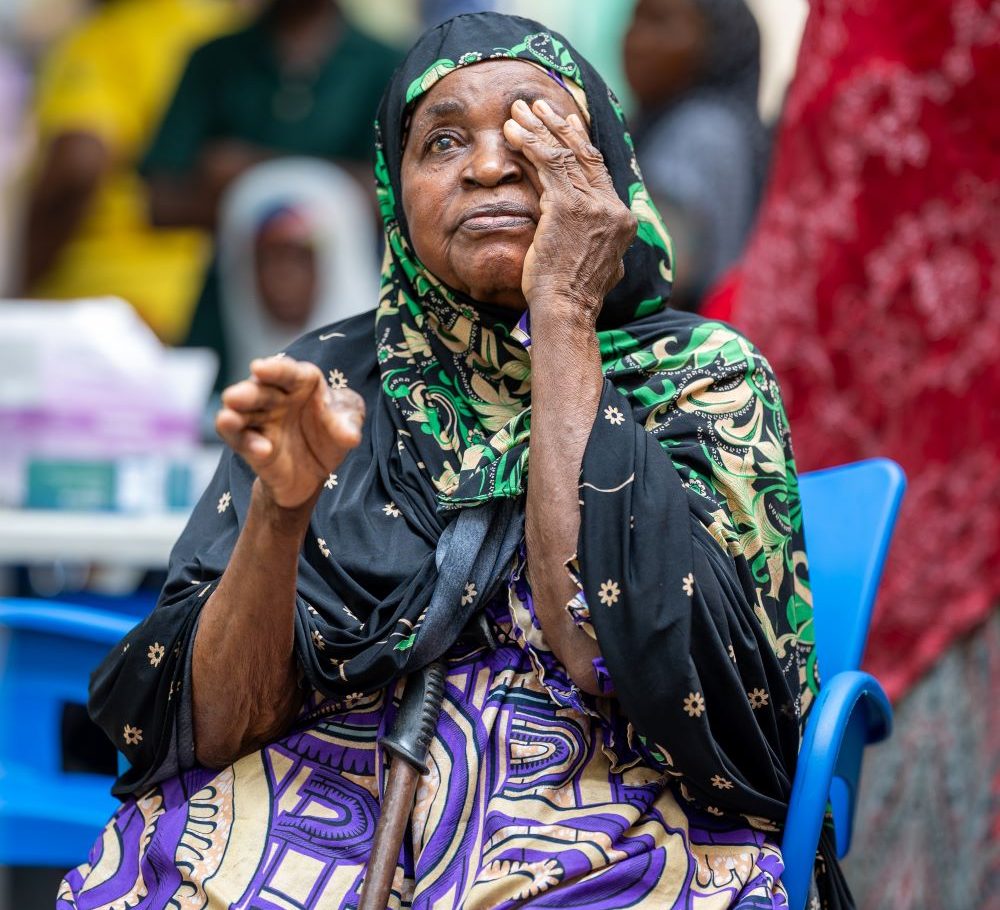 “They told me that my surgery would cost me Ghc10,000, and so I didn’t go. You know that we have also become old, and I have my brothers and sisters taking care of me. That’s why I didn’t go up until now. So, I was listening to the community radio, and when I heard that we were going to have some free health screening here, I stamped the date for me not to forget. So, that is why I came today.”
“It started when I was about 25 years old. I was treated. I’ve got some scars here. I check up and do everything. But, after some time, I stopped going for normal check-ups. So, at first, if somebody is passing, I could recognise the person. But now, it’s very bad. Even my ability to recognise people face-to-face is getting worse. It’s only today that I came here for a check-up [since my youth].
“We thank all of you for the good work that you are doing. You have done, and you are still doing. Thank you very much. More blessings to you all,” she added.
The programme also provided an opportunity for collaboration between medical students from the University of British Columbia and Dalhousie University, and the Ghana Health Service.
 Dr. Henry Fung, a vitreoretinal surgeon based in Red Deer, Alberta, Canada, supported the initiative by providing mentorship and training on eye examinations and the identification of important clinical findings. Organisers said his experience with previous medical screening projects in Ghana helped strengthen the quality of patient assessments conducted during the outreach.
The Nima community is grateful for the work of Jeswende, Tegwende, Boaz and the broader Clear Horizons team, including Hawa-Larai Harruna and Nal-lah Futa, the Ayawaso East Health Directorate, and all other supporters of the community health screening initiative.
From the other end, Jeswende, Tegwende, and Boaz express their sincere gratitude to all sponsors and the Nima community for welcoming and partnering with them in their shared effort to improve the eye health and quality of life of children, older adults, and everyone in between.



![President John Dramani Mahama [left], Alexander Lukashenko, President of the Republic of Belarus [right]](https://www.citinewsroom.com/wp-content/uploads/2026/06/belarus-8-75x75.jpeg)








