


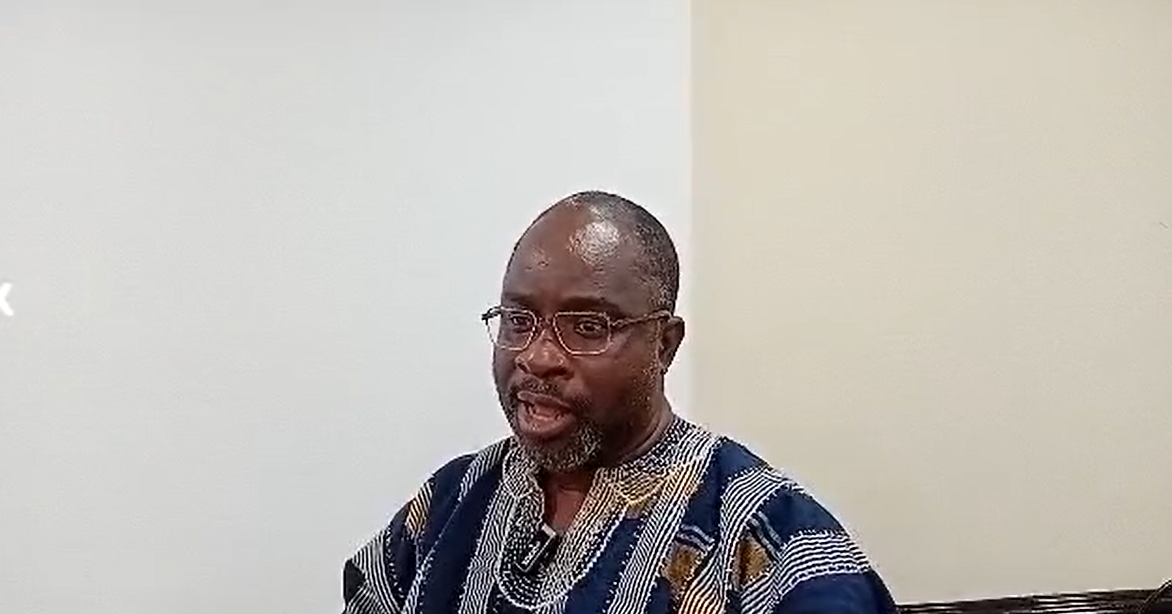
A Professor of Environmental and Sustainability Science at the University of Cape Coast, Frederick Ato Armah, has warned that poor urban planning, weak enforcement of regulations, and inadequate climate adaptation measures are worsening extreme urban heat and flooding in Ghana’s cities.
He said the situation calls for urgent public education on urban regulations, stronger decentralisation, and increased financial support for local authorities to effectively respond to the growing climate threats.
Speaking at a stakeholder engagement on “(Mal)adaptation to Extreme Urban Heat: At What Cost and To Whom?” on Tuesday, June 9, Prof. Armah noted that several of the interventions needed to address the challenge are already well known but are not being effectively implemented.
He pointed to the need for stricter enforcement of building and zoning regulations, the promotion of green urban infrastructure, and improved cross-sectoral adaptation planning.
According to him, decentralised institutions must also be strengthened and adequately resourced to enable them to carry out their statutory mandates.
“Awareness creation, knowledge generation, and stakeholder engagement are all well-known. We also know we need to enforce building regulations, zoning regulations, and green urban infrastructure policies.
“Cross-sectoral adaptation planning is necessary, and this must be done in a decentralised manner with the relevant authorities properly resourced,” he said.
Prof. Armah further stressed that climate adaptation efforts must also consider household-level factors such as building materials, ventilation, and housing density, noting that coordinated action is required across all levels to achieve meaningful results.