


The National Coordinator of the District Road Improvement Programme (DRIP), Nii Lante Vanderpuye, has attributed Ghana’s recurring flooding challenges to weaknesses in the country’s local government system, arguing that metropolitan, municipal, and district assemblies have not been adequately resourced to perform their responsibilities effectively.
His comments come amid renewed efforts to address flooding in Accra following recent heavy rains that inundated parts of the capital, displaced residents, and disrupted economic activities.
On Thursday, June 11, Channel One TV, in collaboration with the Ghana Police Service and Zoomlion Ghana Limited, undertook a clean-up exercise on major streets affected by flooding as part of efforts to reduce the impact of future rainfall.
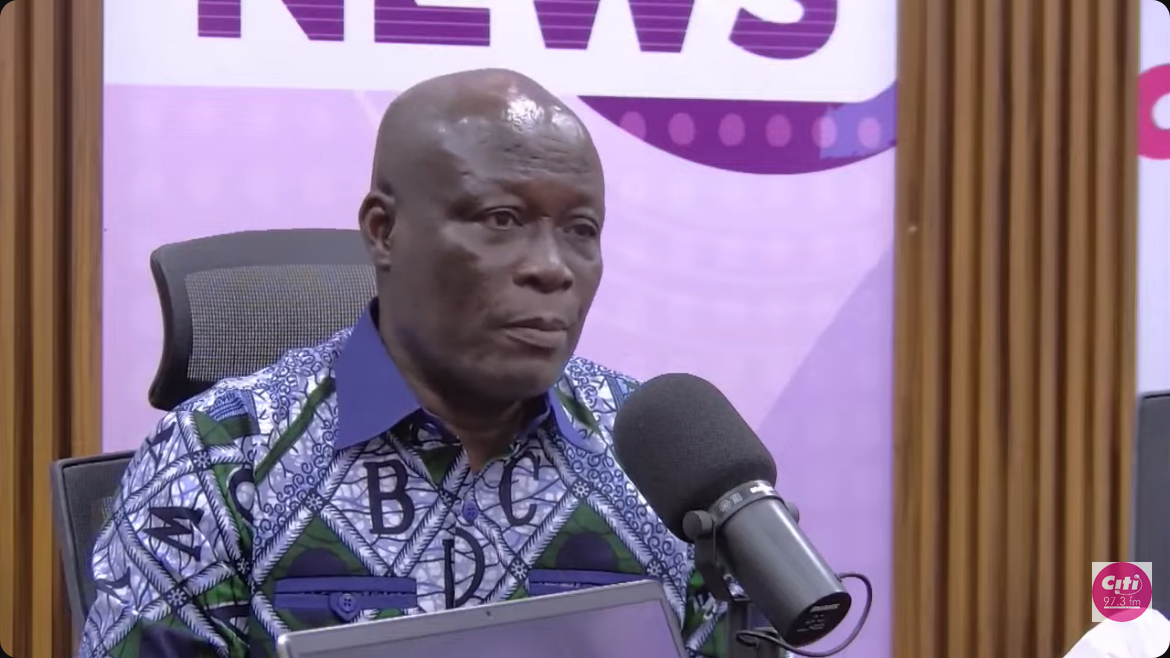
Speaking on Eyewitness News on Thursday, Vanderpuye said the decentralisation framework has not been backed by the level of resources required to enable local authorities to effectively manage critical issues such as drainage maintenance, sanitation and waste management.
“I think we have not been too serious with our local government system. We have not been too serious with it,” he said.
While acknowledging concerns about the performance of local assemblies, Vanderpuye maintained that the challenges cannot be blamed solely on the assemblies themselves.
“I won’t blame the assemblies per se because you cannot dissolve responsibilities without accompanying resources. When we starve the assemblies of the needed resources, these are the things we’ll see,” he stated.
According to him, the success of decentralisation depends on the transfer of both responsibilities and the resources needed to carry them out.
“Decentralisation means the central government dissolving some of its responsibilities to the local assemblies. And so when you are dissolving them, you must give them commensurate, proportional resources to be able to undertake those responsibilities because you can’t give me a job without giving me the tools to be able to embark upon that job,” he said.
Vanderpuye stressed the need to strengthen local governance structures to ensure assemblies are better positioned to respond to the needs of their communities and address challenges such as flooding more effectively.
“As a country, I think that we need to do more in terms of making sure that our assemblies are responsive to the needs of the people they serve,” he added.