


The United States has allocated more than $200 million towards efforts to combat the Ebola outbreak affecting the Democratic Republic of Congo (DRC) and Uganda, reinforcing its position as the largest contributor to the ongoing emergency response in Africa.
Speaking at a ceremony in Accra to mark the 250th anniversary of the United States’ independence, the Chargé d’Affaires of the US Embassy, Rolf Olson, said the funding forms part of a broader international effort to halt the spread of the deadly virus and strengthen disease surveillance systems across affected regions.
He explained that a substantial portion of the support is being directed toward screening and detection measures at airports and border entry points, aimed at preventing infections from crossing into neighbouring countries and escalating the health crisis.
As concerns grow over the outbreak in both the DRC and Uganda, governments, health agencies and humanitarian organisations have intensified coordinated interventions worth hundreds of millions of dollars to contain the disease and protect vulnerable populations.
According to information released by the US Department of State, a network of international partners, healthcare professionals and volunteers is working across national borders to improve surveillance, treatment and response efforts in affected communities.
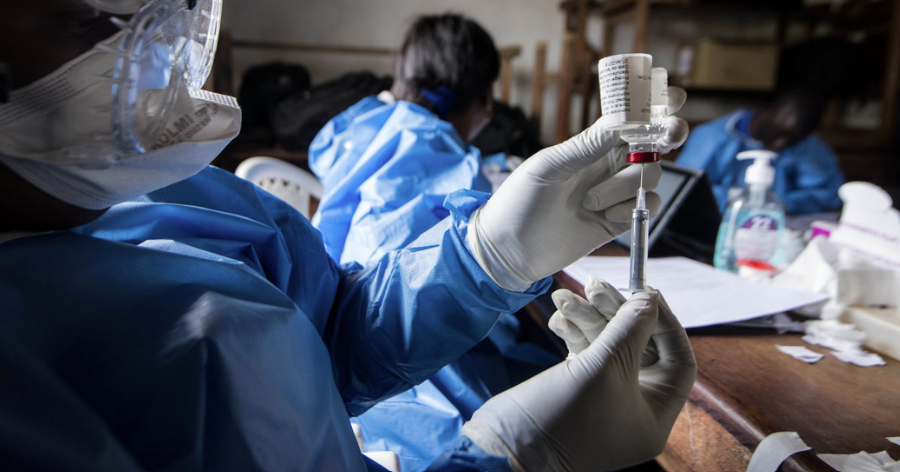
In the DRC, US-backed organisation FHI 360 has supported local authorities by enhancing laboratory testing capabilities, training laboratory personnel and facilitating the transportation of samples for analysis. The initiative has also helped expand the capacity of the country’s national laboratory system to improve disease detection and monitoring.
Health experts describe Ebola as a severe viral illness that can lead to serious complications and death. Symptoms commonly include fever, fatigue, vomiting and diarrhoea, while severe cases may result in internal and external bleeding.
The virus spreads through direct contact with the bodily fluids of infected individuals or those who have died from the disease. Transmission can also occur through exposure to infected animals or contaminated medical equipment such as needles.
Latest figures as of the second week of June 2026 indicate that the outbreak has resulted in 115 confirmed deaths in the Democratic Republic of Congo and two fatalities in Uganda. Health authorities have linked the outbreak to the Bundibugyo ebolavirus strain.