


Garkuon, a farming community in the Sawla-Tuna-Kalba Municipality of the Savannah Region, is grappling with a dilapidated school building.
Residents say the situation is threatening livelihoods and undermining the future of the community’s children.
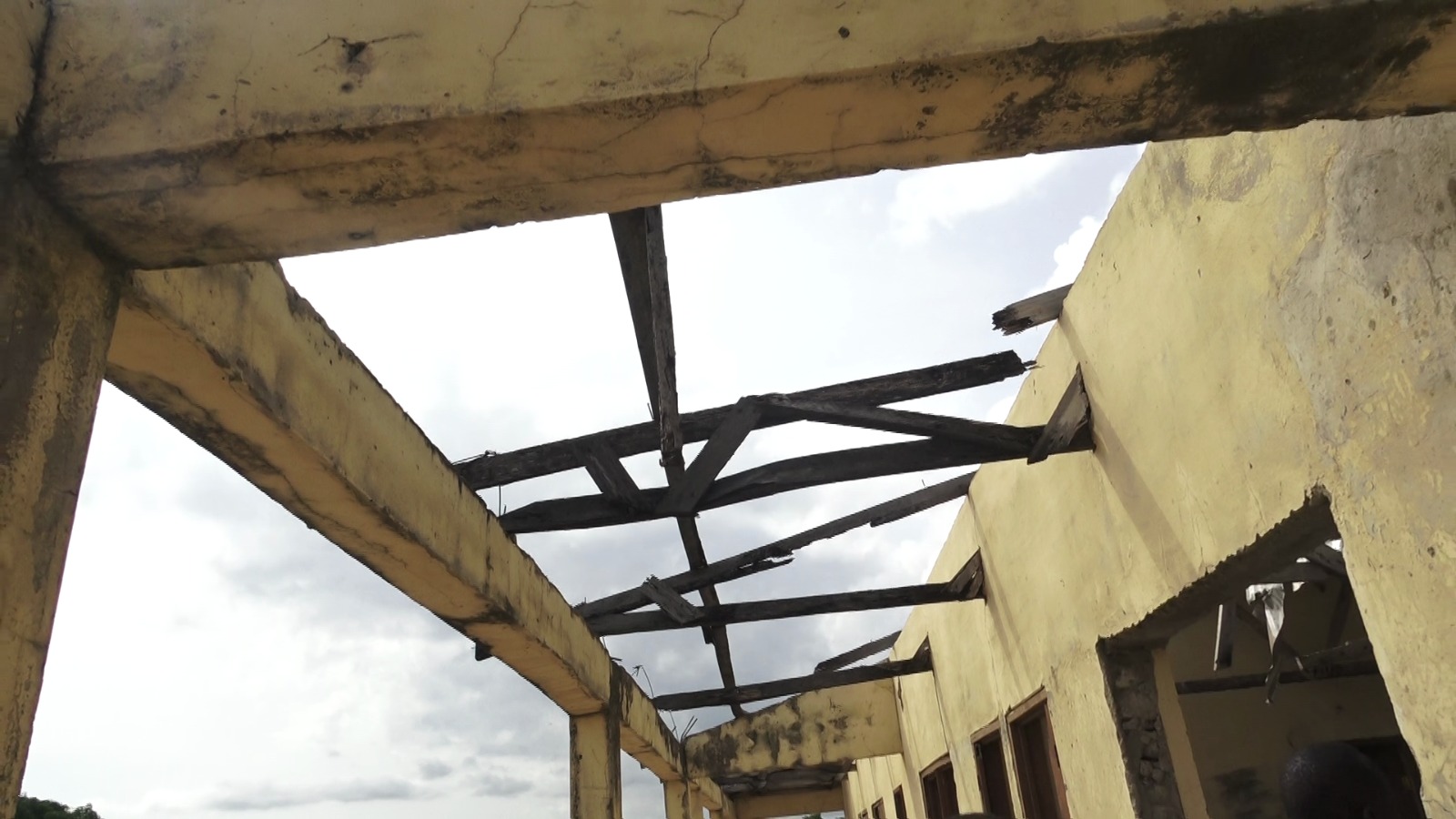
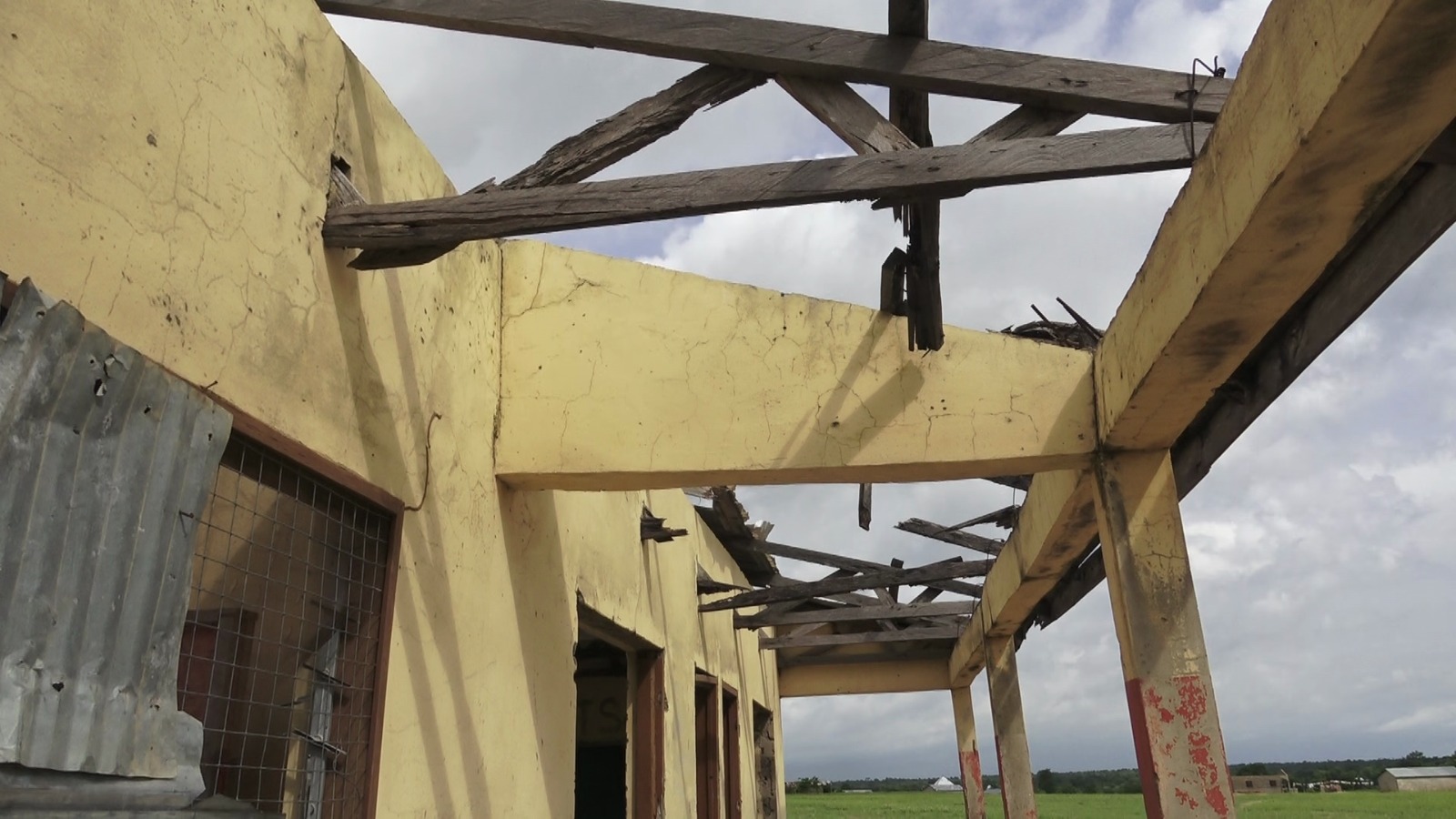
The community’s only school has remained in a state of disrepair for years. A damaged roof, weakened wooden structures, and crumbling classrooms have turned what should be a safe learning environment into a symbol of neglect.
Residents say that despite their contributions to Ghana’s agricultural economy, basic social amenities remain beyond their reach.
The situation in Garkuon reflects a broader national challenge. The Commission on Human Rights and Administrative Justice (CHRAJ) has identified child labour as a major obstacle to education and development, depriving many children of the opportunity to enjoy a safe and dignified future.
According to the Ghana Statistical Service, more than 1.1 million children between the ages of five and 17 were engaged in economic activities in 2023, with over 458,000 of them out of school.
Observers warn that conditions such as those in Garkuon risk worsening the challenges already confronting vulnerable children in rural communities.
Every school day, pupils gather with hopes of securing a brighter future through education. However, the conditions under which they learn tell a troubling story.
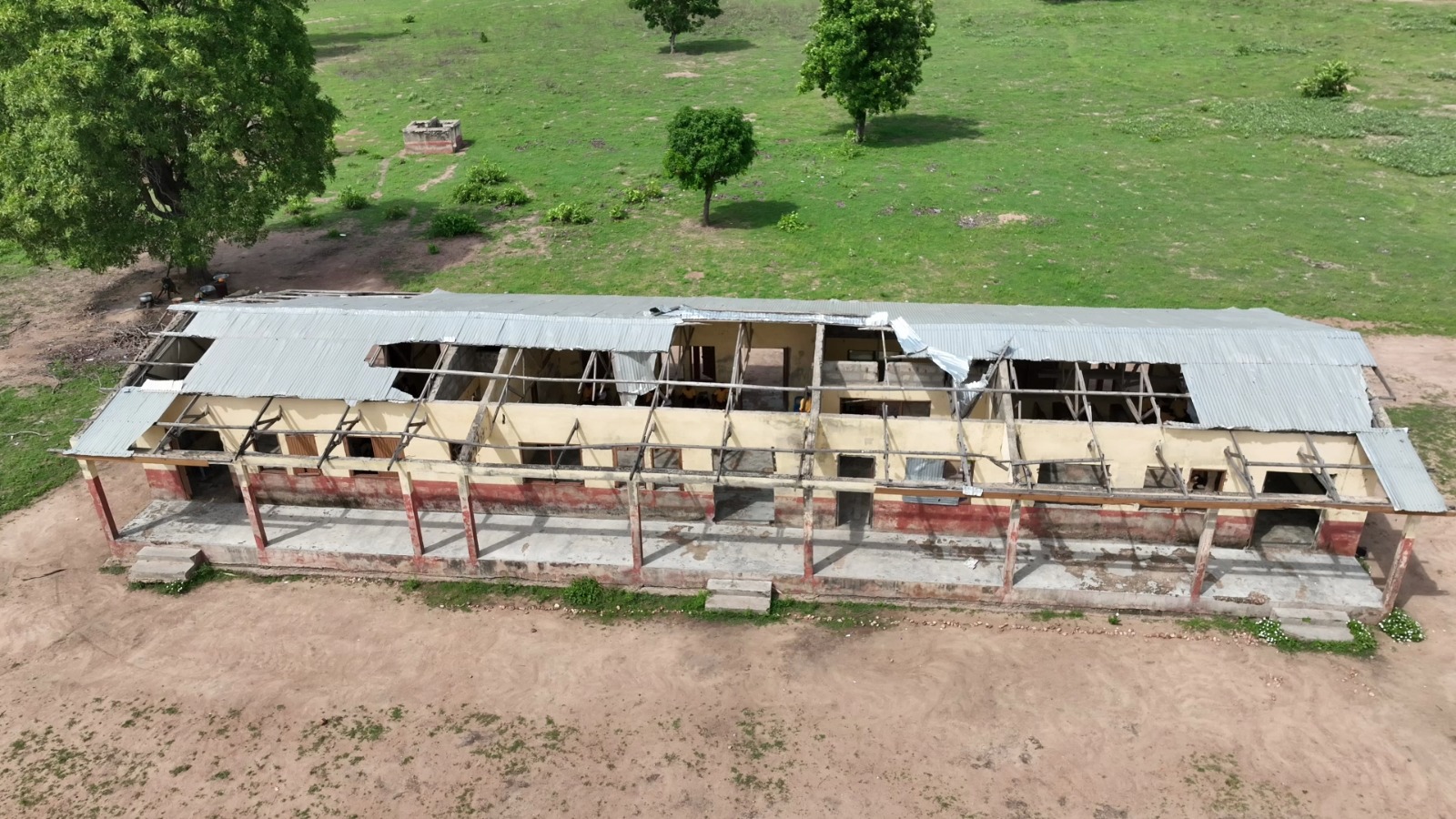
Residents say the school building has been deteriorating for more than four years. Constant exposure to rain and harsh weather has worsened the situation, leaving parts of the structure unsafe for both pupils and teachers.
“The school is in poor condition and needs renovation. We also need teachers’ quarters. Most of the teachers posted here do not live in the community, which affects their attendance and punctuality,” a resident said.
“This is one of the major challenges affecting our school, and we believe providing accommodation for teachers will help improve teaching and learning.”
Another resident said the deteriorating condition of the school has contributed to a decline in enrolment.
“At first, the classrooms were full of students. However, since the building became dilapidated, many parents have transferred their children to other schools. As a result, student numbers have dropped significantly,” the resident said.
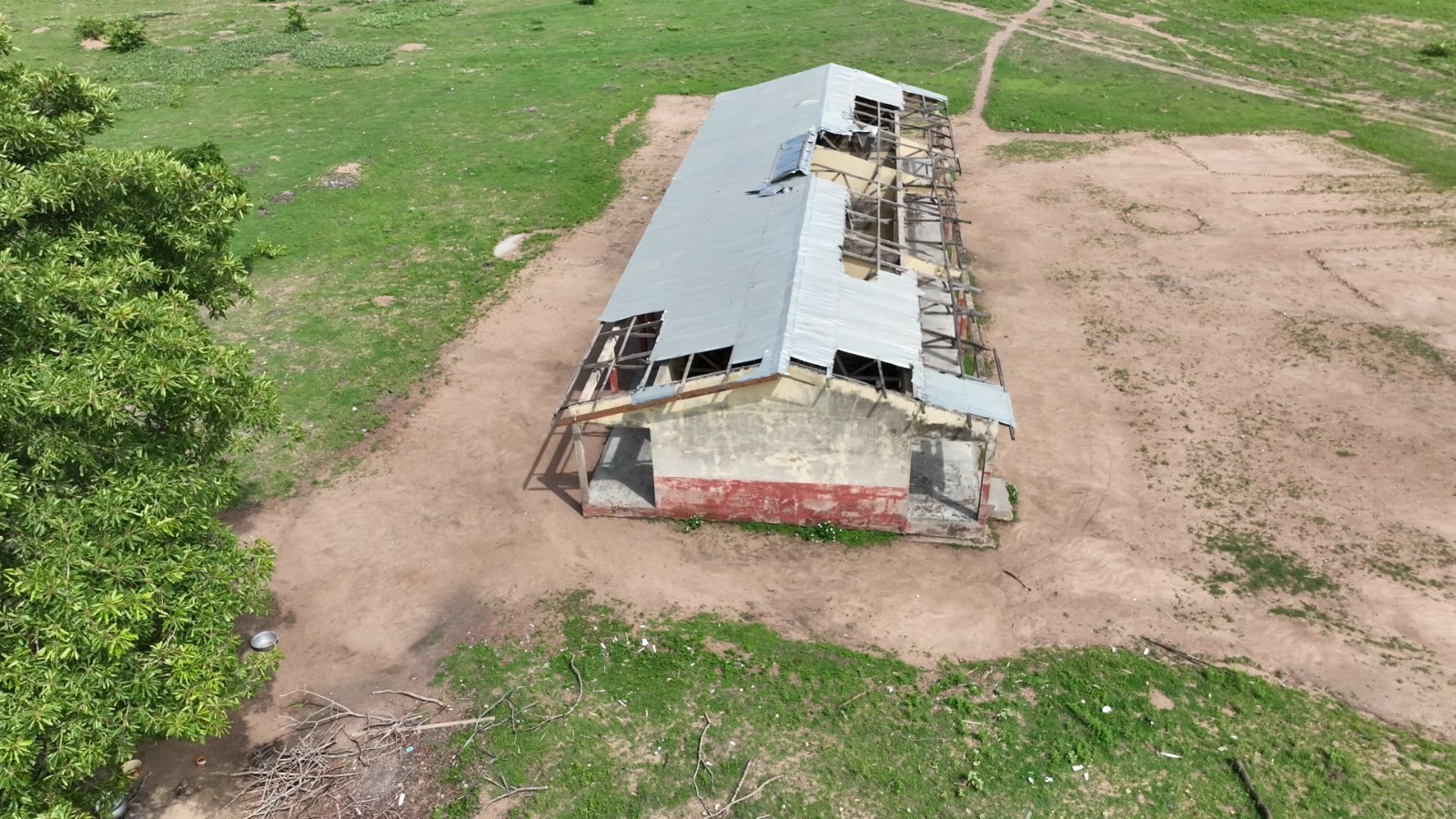
A visit by Channel One News revealed another worrying reality: not a single trained teacher was present at the school. Offices and staff common rooms stood deserted, while cooking utensils meant for the School Feeding Programme lay exposed to the weather.
In the absence of government-assigned teachers, a community volunteer has become the only person providing supervision and support to pupils. Despite limited resources, he continues to engage the children while awaiting intervention from education authorities.
For many of the pupils, communicating in English remains a challenge. During interactions with Channel One News, several struggled to express themselves in the country’s official language.
One pupil, speaking in Twi, appealed for support to improve conditions at the school.
“I am not happy when I come to school. Whenever it rains, we have to run home because the school buildings are not in good condition. The office is also not in good shape, and the school grounds are poor. We want the school to be renovated and fixed,” he said.
The Assembly Member for the Garkuon Electoral Area, Moses Bokuu Sen-ere, said the challenges have repeatedly been brought to the attention of the relevant authorities, but little action has been taken despite numerous appeals.
“The children are unable to stay in school whenever it is about to rain. Sometimes they arrive at school and it starts raining shortly afterwards, forcing them to remain exposed to the weather. Some even have to sit or lie on the ground because there is no proper shelter,” he said.
He recounted an incident in which a pupil suffered an injury after stepping on a sharp object on the school premises.
“We had to take the child to the hospital and pay for treatment. Afterwards, the child said he no longer wanted to attend the school,” he added.
According to the assembly member, the poor state of the school and the absence of teachers have discouraged some parents from enrolling or retaining their children in school.
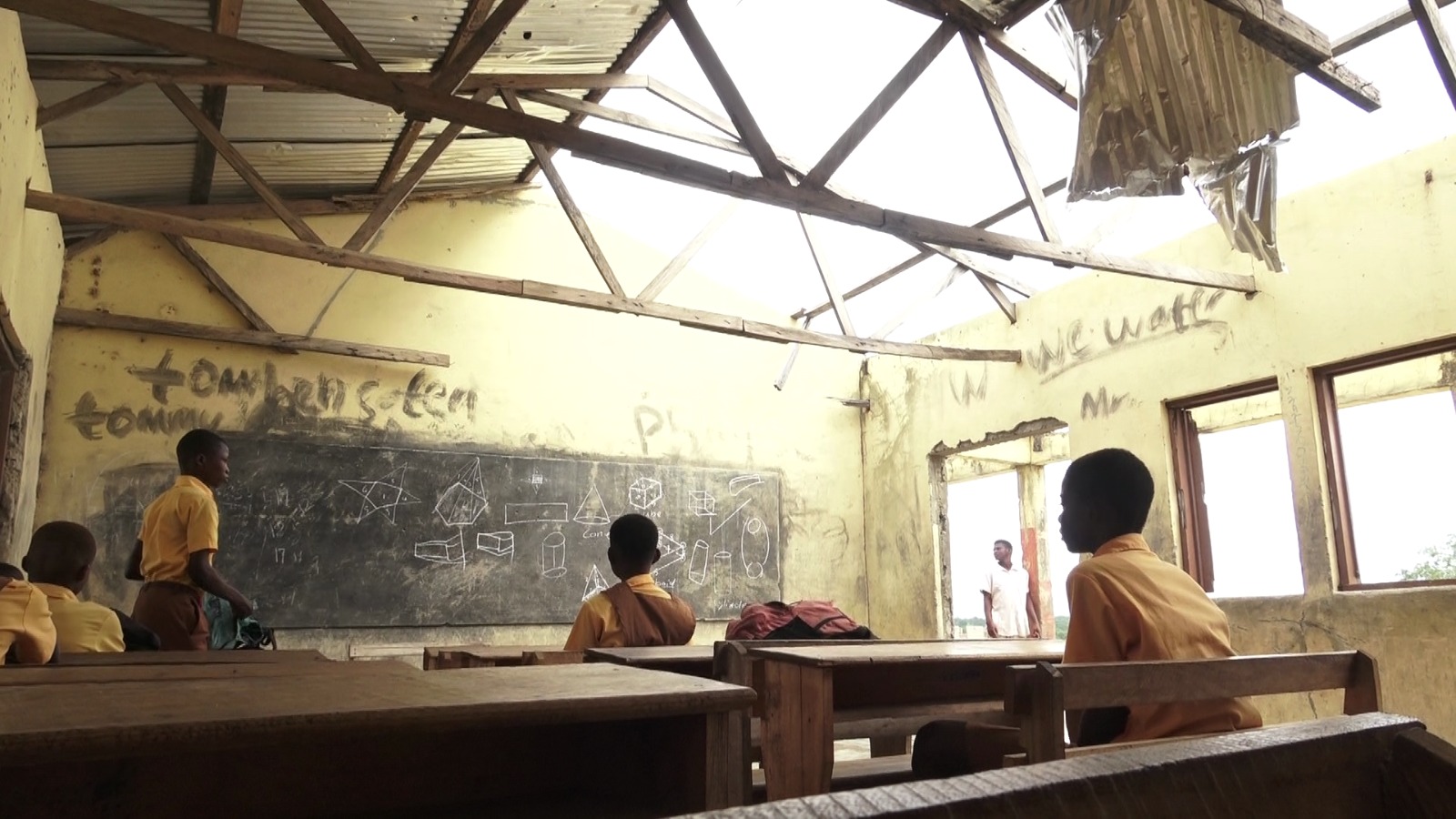
“The poor condition of the school is the main reason for the decline in enrolment. That is why you saw very few students when you visited,” he said.
While some pupils wait for attention from the lone volunteer, others spend part of the school day fetching water to support meal preparation under the School Feeding Programme.
For many observers, these scenes raise serious concerns about the quality and accessibility of education available to children in remote farming communities.
For residents, the issue is straightforward: if communities that contribute significantly to Ghana’s agricultural economy continue to be neglected in terms of education and infrastructure, achieving national development goals may remain difficult.
Their appeal goes beyond better roads and improved classrooms. They are demanding equal opportunities, meaningful development and a fair share of the benefits their contributions bring to the nation.
For the people of Garkuon, the future of agriculture and the future of education are inseparable.