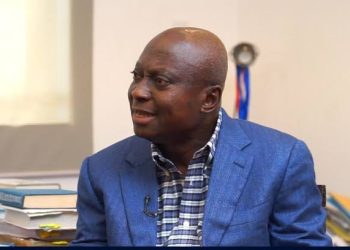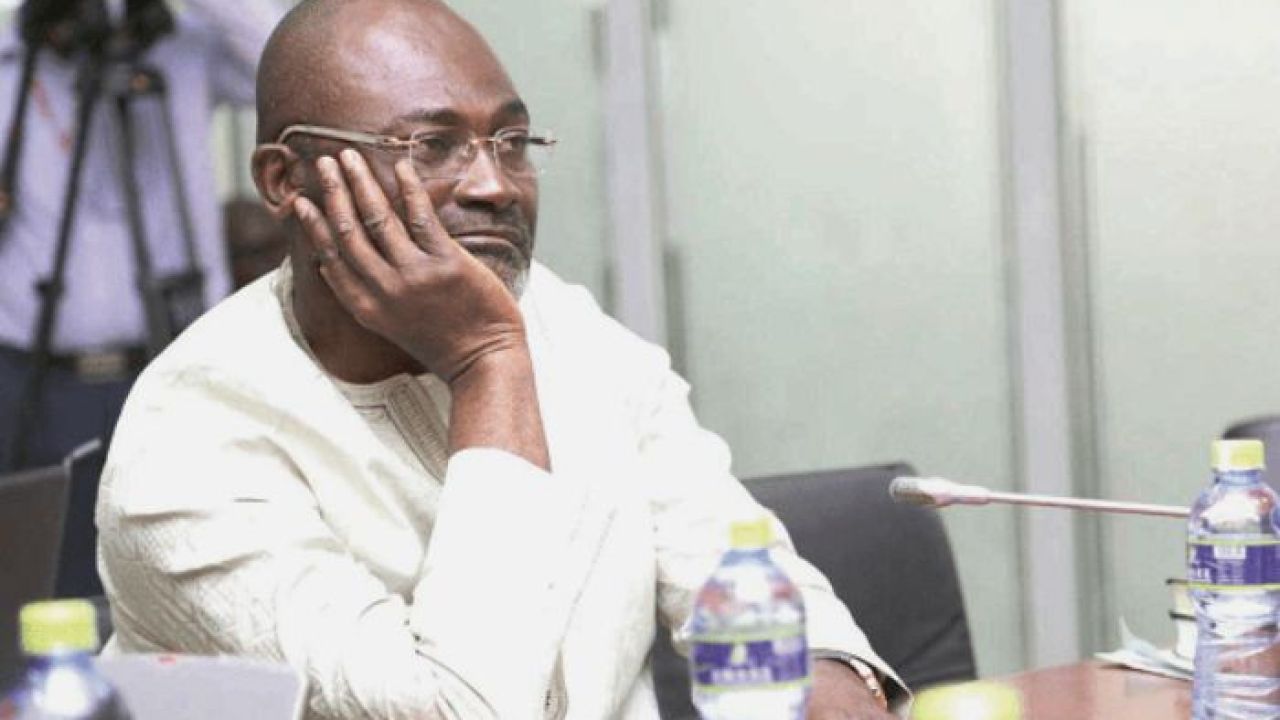
Political analyst and Executive Director of the African Institute of Strategic Studies, Dr Jonathan Asante Otchere, has cautioned the New Patriotic Party (NPP) to carefully weigh the consequences of taking disciplinary action against former Assin Central MP Kennedy Ohene Agyapong, although he believes some of the latter’s recent comments could amount to anti-party conduct.
His remarks come amid growing debate within the NPP following Agyapong’s recent comments on Net 2 TV, where he criticised the party’s handling of key government projects, accused some officials of corruption and warned that he could reveal more damaging information if provoked.
Speaking on Citi Eyewitness News on Friday, June 19, Dr Otchere said Agyapong’s comments could be interpreted as anti-party behaviour under the NPP’s constitution.
“If you want to classify such a dissipative attack on the integrity of the party, certainly it will fall within the latter. That is anti-party behaviour that obviously should warrant some kind of summoning before the disciplinary committee and then the necessary articles of the party will be applied,” he said.
However, he argued that the matter was not straightforward, suggesting that some of the comments could be viewed as emotional reactions linked to internal party contests and disagreements.
“To what extent would you consider some of these emotional outbursts as post-internal primary issues and then that of democracy or internal democracy? I think this is a very tough one. Whichever way you look at it, it has some consequences for the party,” he added.
The NPP has expressed disappointment over Agyapong’s comments, with Deputy General Secretary Haruna Mohammed describing them as unfortunate and urging party members to be mindful of their public statements.
Asked how the party should deal with a high-profile member who appears to have gone rogue at a time when it is seeking to rebuild support, Dr Otchere urged caution.
“You have to count your chances and you have to be very strategic about things of that nature,” he said.
According to him, while expulsion remains an option available to the party, such a decision could carry significant political costs.
“This is not the first time Mr Kennedy has done something like that against the party and people who do not support him. He has that unforgiving character and is very emotional when it comes to certain issues,” he stated.
Dr Otchere noted that Agyapong remains an influential figure within the NPP, having secured considerable support during the party’s presidential primaries.
“You are looking at a personality that commanded about 38 per cent in the 2024 primaries and over 20 per cent in the 2026 primaries,” he said.
He warned that expelling such a figure could deepen divisions within the party and further weaken its electoral prospects.
“A party that has already had some of these disintegrations taking place, like for example Mr Alan Kyerematen, at any point in time you are weakening your front,” he said.
Dr Otchere further argued that the NPP must consider what it stands to gain from expelling Agyapong, particularly while the party is in opposition.
“If you excommunicate a person like Mr Kennedy Agyapong, you must be ready to bear the consequences. Already, the NPP doesn’t appear that attractive to the current electorate, so you have to be strategic,” he said.
Questioning the value of such a move, he added: “What does Mr Kennedy lose if you expel him? What does he lose? You are in opposition. But the decision is theirs to take.”