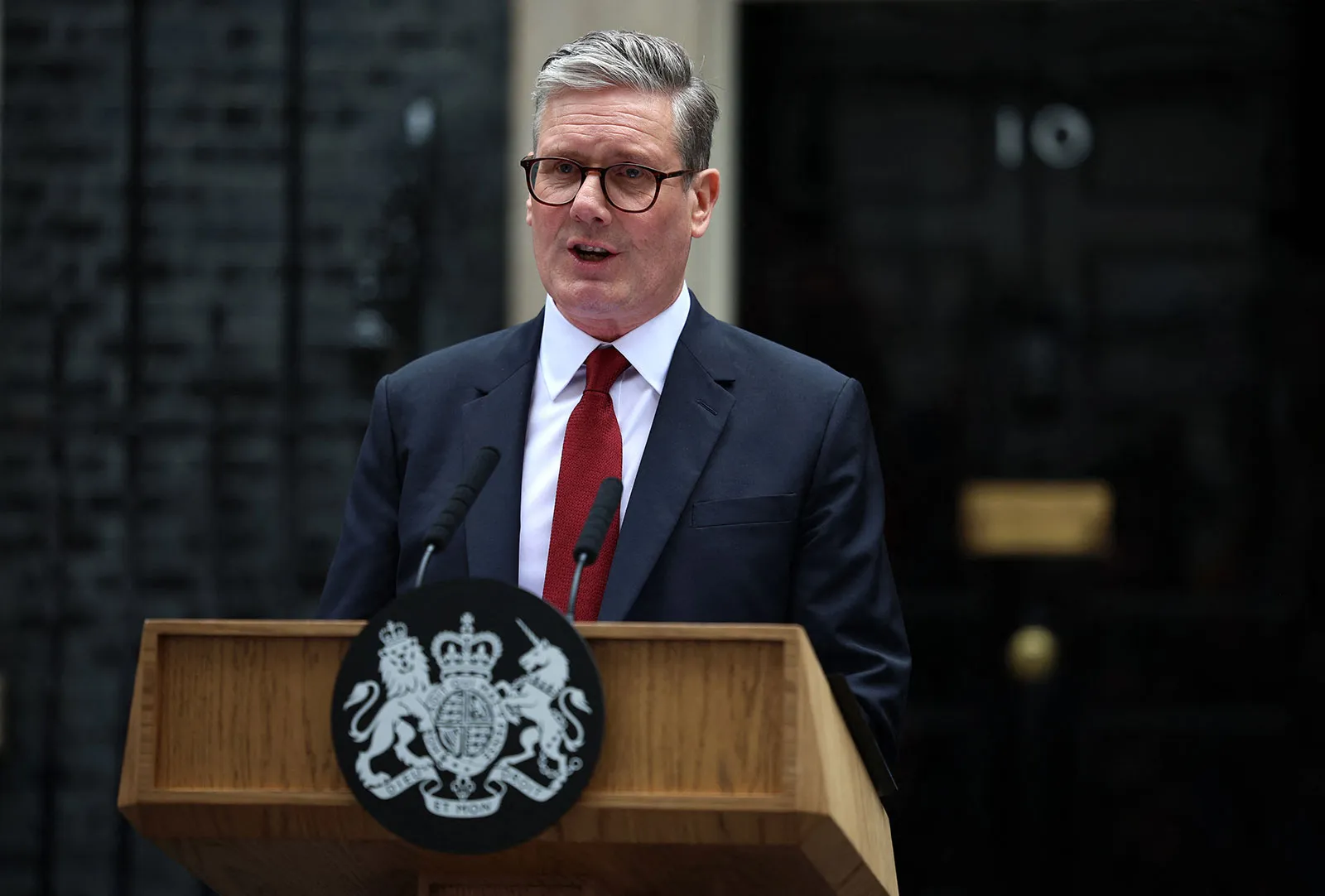
Sir Keir Starmer has announced his resignation as leader of the Labour Party and Prime Minister of the United Kingdom, saying he has accepted the verdict of his parliamentary party after growing pressure over his leadership.
In a speech on Monday, June 22, Starmer said the debate over whether he was the right person to lead Labour back to power had been settled, but the party was now asking whether he was best placed to lead it into the next general election.
“I have heard the answer of my parliamentary party to that question. And I accept that answer with good grace,” he said.
Starmer said every decision he had taken as prime minister had been guided by a commitment to put the country first.
“Every decision I have taken has been about putting the country I love first,” he stated.
The outgoing prime minister disclosed that he had informed King Charles III of his decision and would begin the process of selecting a new Labour leader.
“I have spoken to His Majesty the King this morning to inform him of my decision,” Starmer said.
He added that he would ask the Labour Party’s National Executive Committee to establish a timetable for the leadership contest, with nominations expected to open on July 9 and conclude before Parliament’s summer recess.
Starmer’s resignation comes less than two years after he led Labour to a landslide election victory that ended 14 years of Conservative rule.
His departure follows months of political pressure, declining popularity and growing calls within Labour for a change in leadership. Recent reports indicated that senior party figures and Labour MPs had increasingly questioned whether he remained the party’s strongest candidate for the next general election.
The resignation sets the stage for a leadership contest that will determine both the next Labour leader and Britain’s next prime minister.
Potential successors are expected to emerge in the coming weeks as the party begins the process of selecting a new leader.