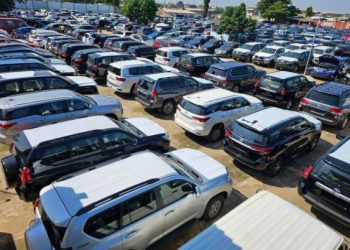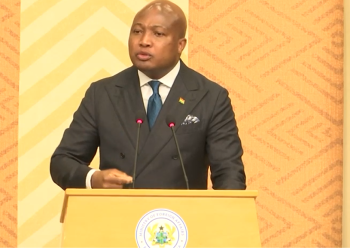
An Economist at the University of Ghana, Prof. Ebo Turkson, has urged Ghanaians to support locally assembled vehicles, arguing that weak consumer demand is slowing the growth of the country’s automotive industry.
Speaking at the Citi Business Festival Roundtable on Thursday, June 25, on the theme, “Driving Ghana Forward: The State of the Automotive Assembly Industry and its Contribution to the Economy,” Prof. Turkson said consumer behaviour remains a major challenge to Ghana’s industrialisation efforts.
According to him, many Ghanaians are reluctant to buy locally assembled products despite government efforts to promote local manufacturing and reduce dependence on imports.
“Ghanaians are not that patriotic when it comes to consumption,” he said.
Prof. Turkson noted that in countries where governments pursue clear industrial policies, citizens often support those efforts by purchasing locally produced goods.
“In some countries where there is a clear policy focus on a sector, the individuals of the country make it a point to support that policy with their demand. In Ghana, we don’t do that,” he stated.
He dismissed concerns about the quality of vehicles assembled in Ghana, stressing that global automobile manufacturers operating in the country produce vehicles that meet international standards.
“When it comes to international standards, these OEMs (Original Equipment Manufacturers) in Ghana are producing to international standards,” he said.
The economist explained that stronger demand for locally assembled vehicles would have benefits beyond the assembly plants themselves. He noted that industries such as transport and logistics, vehicle dealerships, body repair shops, insurance companies and banks all stand to benefit from a thriving automotive sector.
“There are a number of allied industries that benefit from a well-functioning automotive industry,” he said.
Prof. Turkson also called for greater involvement of the financial sector in supporting vehicle purchases, suggesting that affordable financing schemes could encourage more workers to buy cars assembled in Ghana.
“How do you offer financing to workers to get cars from these plants that are being assembled here in Ghana? I’m very certain that if the financing is right, you have Ghanaians opt for these cars,” he said.
He maintained that increased demand, supported by accessible financing, would create jobs across the automotive value chain while helping Ghana reduce its reliance on imports and ease pressure on the cedi.