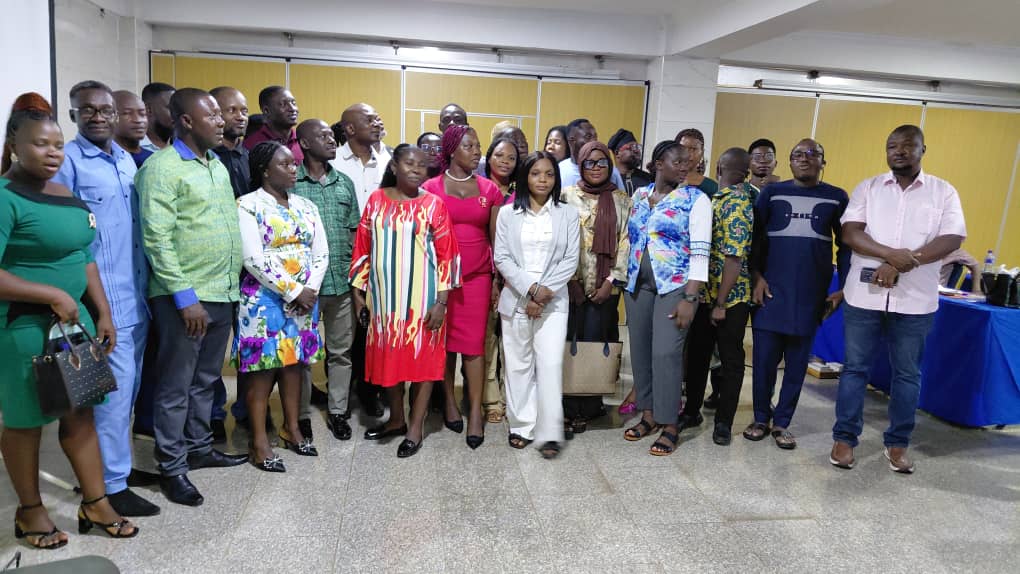
The German Development Cooperation (GIZ), in partnership with the Media Foundation for West Africa (MFWA), has organised a two-day zonal capacity-building workshop on Public Financial Management (PFM) and fiscal decentralisation for selected media practitioners and civil society organisations across the northern and middle-belt regions of Ghana.
The training forms part of efforts to enhance transparency, accountability, and citizen oversight in the management of public resources, particularly at the local government level.
Speaking at the opening session on June 22 in Kumasi, the Technical Advisor for GIZ under the Participation, Accountability and Integrity for a Resilient Democracy (PAIReD) initiative, Dr. Aliu Aminu, said the programme seeks to address persistent gaps in oversight and accountability that continue to undermine effective service delivery and prudent public resource management.
“We continue to observe gaps in oversight and accountability that affect service delivery and the proper use of public resources,” he stated.
According to him, strengthening the capacity of journalists and civil society actors is critical to improving public scrutiny of government expenditure and promoting citizen participation in governance processes.
“The media and civil society play a critical role in ensuring effective monitoring of public resources and enhancing citizen engagement in governance,” Dr. Aminu added.
The workshop is expected to equip participants with practical skills in budget analysis, public expenditure tracking and evidence-based reporting, while deepening their understanding of fiscal decentralisation and local governance systems.
As part of the training, Professor of Economics at the University of Ghana, Prof. Godfred A. Bokpin, took participants through Ghana’s macroeconomic framework and budget systems.
He cautioned against the common misconception that declining inflation translates into falling prices.
“A reduction in inflation does not mean prices are coming down; it only means prices are increasing at a slower rate,” he explained.
Prof. Bokpin noted that macroeconomic stability depends on the effective coordination of fiscal and monetary policies to achieve low inflation, stable exchange rates, fiscal discipline, low unemployment and inclusive economic growth.
He further highlighted the role of public finance in revenue mobilisation, resource allocation, income redistribution and economic stabilisation.
Participants were also introduced to Ghana’s budget cycle, which spans medium-term development planning, budget formulation and approval, implementation, monitoring, auditing and evaluation.
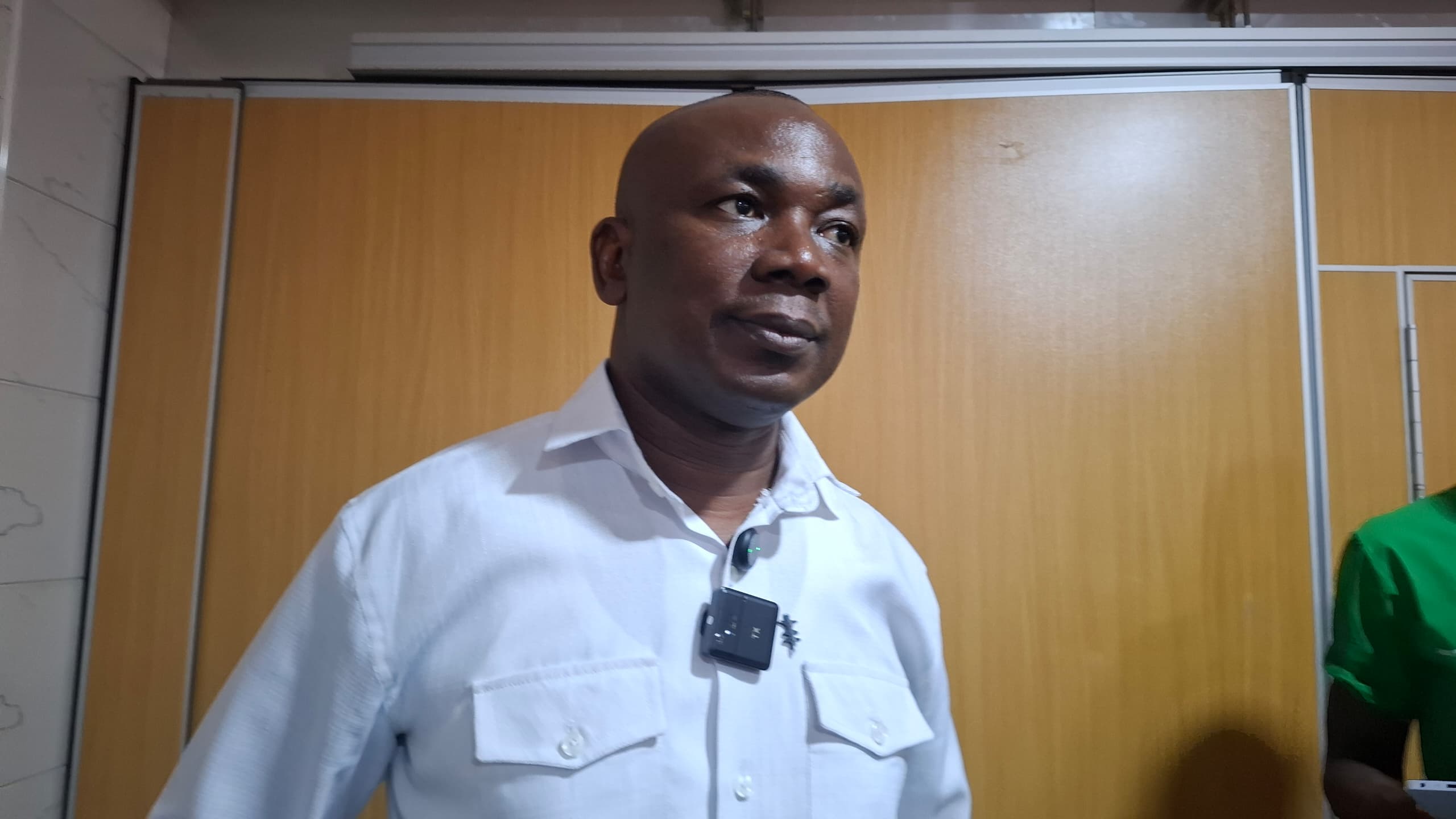
The economist additionally explained the Public Expenditure and Financial Accountability (PEFA) framework, which assesses public financial management systems based on indicators such as budget reliability, transparency, fiscal strategy and external audit oversight.
The workshop is being implemented under the PAIReD initiative, commissioned by Germany’s Federal Ministry for Economic Cooperation and Development (BMZ), co-financed by the European Union and the Swiss State Secretariat for Economic Affairs (SECO), and implemented by GIZ in partnership with Ghana’s Ministry of Finance.
Participants have been drawn from the Bono, Ahafo, Bono East, Upper West, Savannah, Northern, North East and Upper East regions.
Organisers say the training will strengthen the capacity of journalists and civil society organisations to hold duty bearers accountable, improve oversight of public financial management systems and promote transparency in the use of public resources.