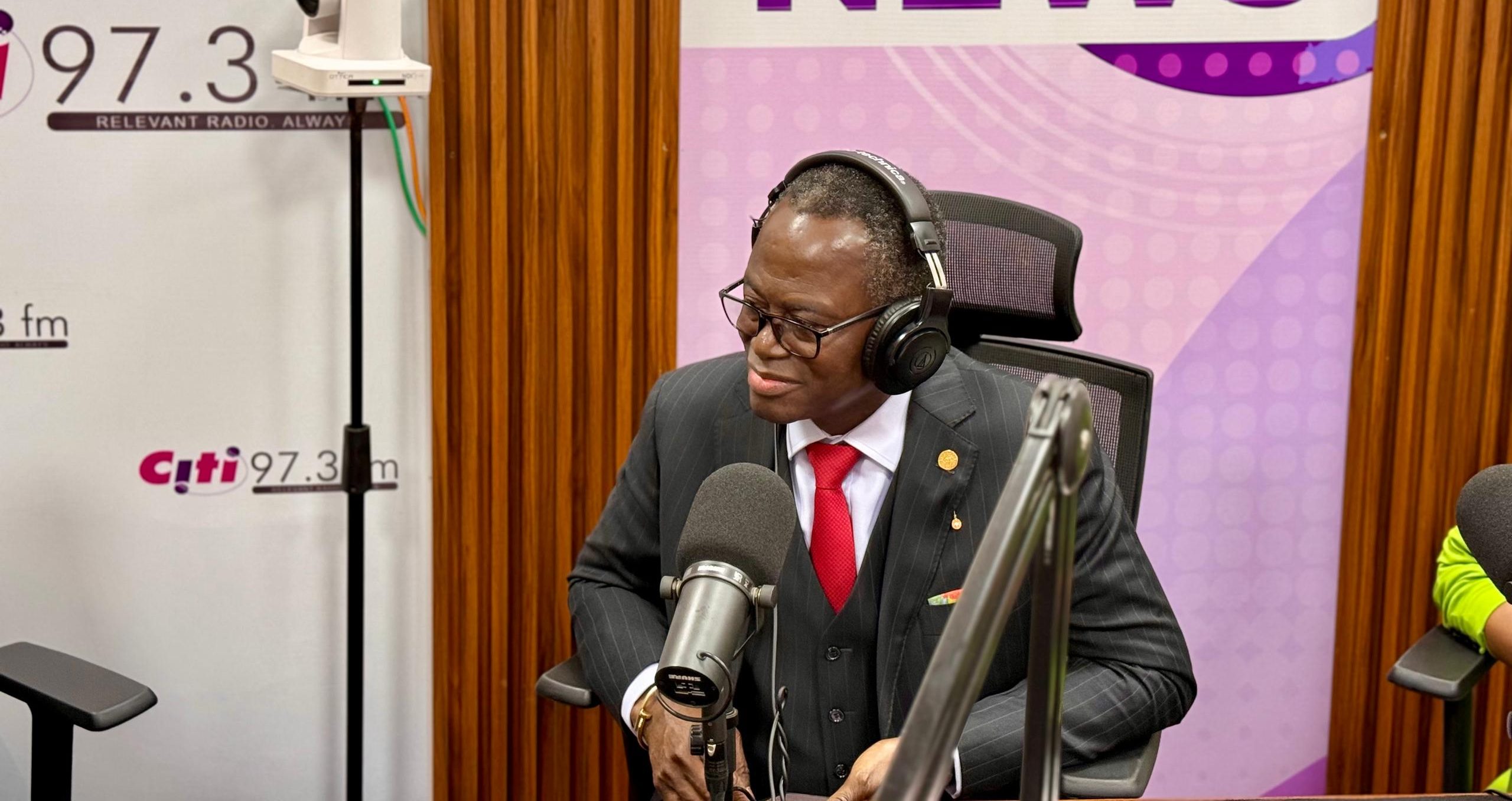
A Justice of the Supreme Court, Justice Emmanuel Yonny Kulendi, has accused some lawyers of abusing Ghana’s appeals process, saying their actions are unnecessarily burdening the Supreme Court and contributing to its growing caseload.
Speaking on the Citi Breakfast Show on Wednesday, July 8, 2026, Justice Kulendi said some lawyers repeatedly initiate fresh legal processes after cases have been determined, allowing them to return to the country’s apex court multiple times and prolong litigation.
“Because of the character flaw, the ethical flaws that are there in some lawyers, they can hold trials, go up to the Supreme Court, come back, start a new process within a week or two, they are back before the Supreme Court,” he said.
According to Justice Kulendi, the abuse of the appeals process is one of the reasons Ghana should reconsider the range of cases that are allowed to reach the Supreme Court.
He suggested that the country could draw lessons from more advanced jurisdictions where supreme courts hear only a narrow category of cases, primarily those involving constitutional or matters of national importance.
“We should pick up lessons from advanced jurisdictions where the scope of matters determined by the Supreme Court is so narrow that it does not admit some of these excesses,” he stated.
Justice Kulendi explained that narrowing the court’s jurisdiction would enable it to focus on issues of greater constitutional significance while improving the efficiency of the judicial system.
He pointed to election-related cases that already end at the Court of Appeal, suggesting that similar arrangements could be considered for other categories of disputes.
While advocating reforms, Justice Kulendi acknowledged that the current jurisdiction of the Supreme Court reflects the intentions of the framers of the 1992 Constitution.
“Given our journey from independence, the terms of the current Constitution are what the framers of the Constitution thought would work for us,” he said.
He, however, stressed that constitutional arrangements should not be regarded as permanent and should be reviewed periodically to meet the evolving needs of society.
“Are there problems with the scope? Yes. Do we need to rethink whatever we are doing? You must keep evaluating it from time to time and trying to make it better,” he added.