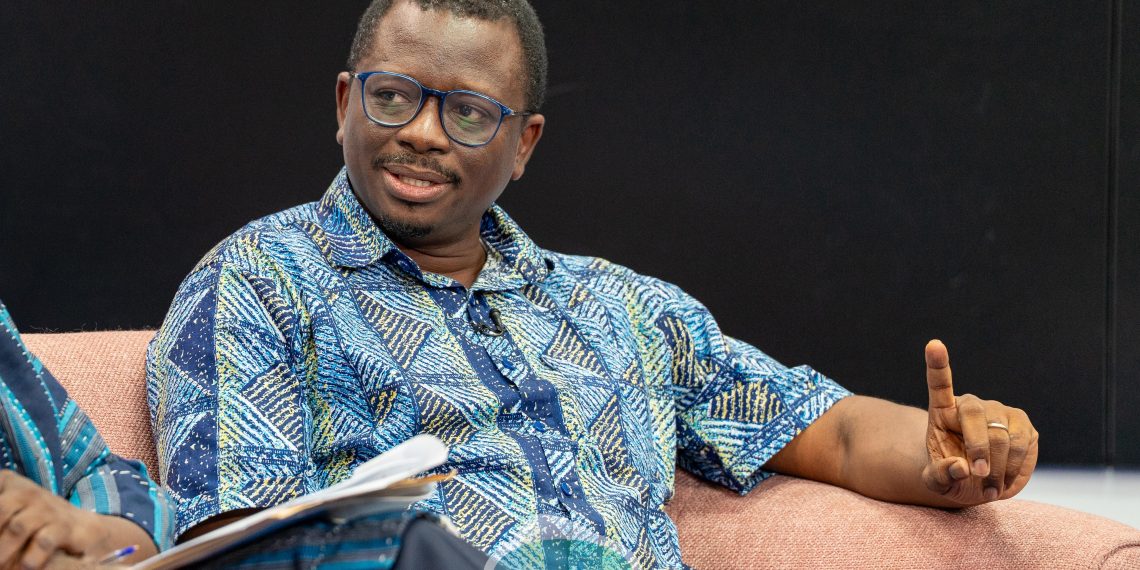
Ghana’s economy has made a significant recovery from the severe economic crisis of 2022, but businesses continue to grapple with high borrowing costs and other operational challenges, Managing Partner of Konfidants, Michael Kottoh, has said.
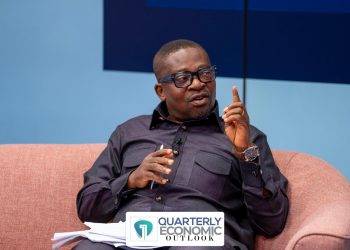
Speaking on Channel One TV’s Quarterly Economic Outlook on Thursday, July 9, under the theme “A Mid-Year Review of the Ghanaian Economy: Measuring Progress, Identifying Risks and Charting the Way Forward,” Kottoh said the country’s economic trajectory has shifted from crisis to stability following years of reforms.
He explained that the economy has undergone a steady recovery since the debt default and restructuring process, with key macroeconomic indicators showing marked improvement.
“Where we are now really as an economy tracks back to 2022, which was the height of the economic crisis. A lot of the story has been one of crisis in 2022, all the way through the default in 2023 and the restructuring that happened in 2024, 2025 and 2026 have generally been cast as a turnaround to a more stable economic situation, and I think there is general consensus on that trajectory of the economy,” he said.
Kottoh noted that inflation has dropped sharply from its peak of over 50 per cent in 2022 to 3.4 per cent in April 2026, although it rose slightly to 5.3 per cent in June due to external factors.
He also pointed to the relative stability of the cedi against the US dollar and a significant decline in interest rates as evidence of improving macroeconomic conditions.
“The cedi has held stable against the main trading currency, the US dollar. The policy rate has reduced significantly, and we’ve seen lending rates also reduce significantly from the last highs of about 31 per cent average lending rates to around 16 per cent now for prime borrowers. So we’ve seen a lot of improvement, and generally it has been a turnaround in stability,” he stated.
Despite the gains, Kottoh cautioned that the cost of borrowing remains a major concern for businesses.
He argued that lending rates must fall further before businesses can fully benefit from the improving economic environment.
“Not until we see average lending rates in a single digit in Ghana, we cannot rest. We’ve seen improvements, but it’s still high,” he said.
Kottoh further noted that while taxes on businesses have eased following reductions in VAT and the removal of some levies, companies continue to face challenges from rising water tariffs and persistent administrative charges at the country’s ports.
He described the current business environment as a mixed picture, with improvements in some areas offset by ongoing operational costs and import-related challenges.