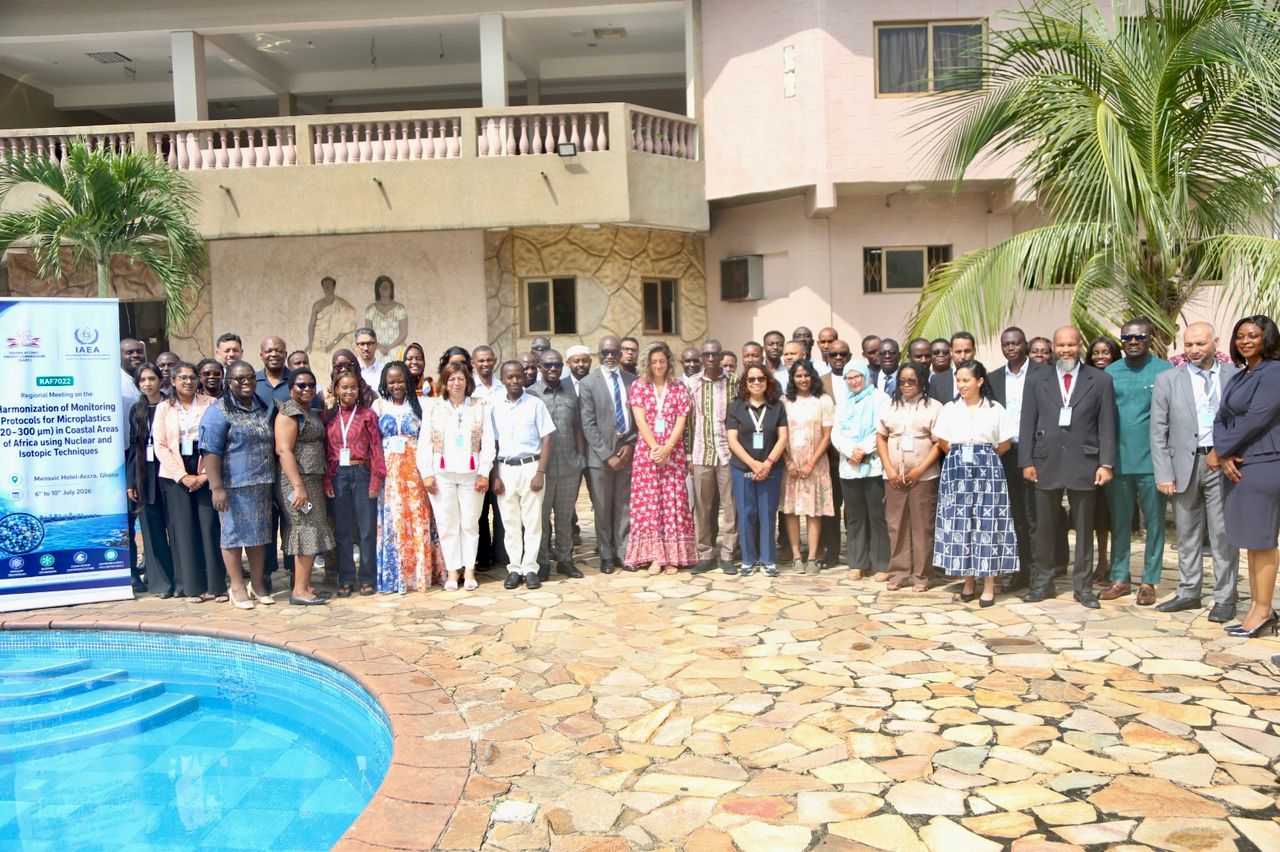
Scientists from 21 African countries have gathered in Accra to harmonise protocols for monitoring microplastics in coastal environments using nuclear and isotopic techniques, in a move aimed at strengthening the continent’s response to marine plastic pollution.
The five-day meeting, hosted by the Ghana Atomic Energy Commission (GAEC) under the International Atomic Energy Agency’s (IAEA) Regional Technical Cooperation Project RAF7022, seeks to establish common scientific standards that will enable African countries to generate comparable data and support evidence-based policies to protect marine ecosystems.
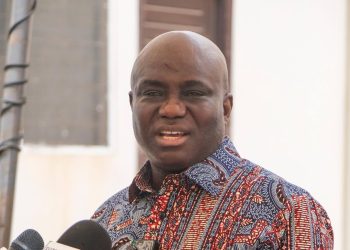
Opening the meeting on Monday, the Director-General of GAEC, Prof. Samuel Boakye Dampare, said Ghana was proud to contribute to continental efforts to tackle one of the world’s fastest-growing environmental challenges.
“For over six decades, GAEC has promoted the peaceful application of nuclear science and technology to national development. Through our strong partnership with the IAEA under the NUTEC Plastics Initiative and other AFRA programmes, Ghana has significantly strengthened its capacity for plastics research through enhanced laboratory infrastructure, modern analytical equipment and specialised training,” he said.
Prof. Dampare said GAEC scientists were participating in IAEA Coordinated Research Projects on microplastics in marine and agricultural ecosystems while advancing research into sustainable plastic alternatives and recycling technologies.
“We believe that Ghana’s experience demonstrates the value of investing in science, innovation and partnerships to address complex environmental challenges,” he added.
The IAEA Technical Officer for the project, Mr. Carlos Alonso Hernández, said harmonising scientific methods across participating countries would improve the quality and comparability of data needed to guide environmental policies.
“Although countries monitor marine environments under different conditions, adopting common scientific protocols will provide a clearer understanding of the scale and trends of plastic pollution across the continent,” he said.
He added that the harmonised approach under the IAEA’s NUTEC Plastics Initiative would strengthen collaboration among participating countries while enabling scientists to use nuclear and isotopic techniques to better identify the sources, movement and accumulation of microplastics in marine environments.
The Director of the National Nuclear Research Institute (NNRI) of GAEC, Prof. Samuel Ganyaglo, described the meeting as an important step towards improving scientific understanding of microplastics in Africa’s aquatic ecosystems.
“This meeting represents an important milestone in our collective efforts to harmonise monitoring methodologies across Africa,” he said.
The meeting is expected to help participating countries adopt common protocols for monitoring microplastics measuring between 20 and 300 micrometres, improving the consistency of data collected across the continent.
According to the United Nations Development Programme, more than 430 million metric tonnes of plastic are produced globally each year, with nearly two-thirds becoming waste after a short period of use. The United Nations Environment Programme estimates that about 11 million tonnes of plastic waste enter aquatic ecosystems annually, threatening marine biodiversity, fisheries, tourism, food security and public health.
Scientists have detected microplastics in seawater, marine sediments, seafood, drinking water and the atmosphere, underscoring the growing need for coordinated monitoring and reliable scientific evidence to inform policy responses.
The meeting, which runs until Friday, brings together scientists from Ghana, Benin, Burkina Faso, Burundi, Comoros, Djibouti, Egypt, Ethiopia, Kenya, Mauritania, Mauritius, Morocco, Namibia, Nigeria, Senegal, Seychelles, South Africa, Sudan, Tanzania, Togo and Tunisia.
Also present at the opening session were the Deputy Director-General of GAEC, Prof. Francis Hasford; IAEA technical experts Ms Nathalie Bernard and Ms Lorena Rios Mendoza; the Manager of the Environmental Resources Research Centre of NNRI, Dr. Kofi Bempah Crentsil; and other senior research scientists.