Economist at the University of Ghana Business School, Prof. Agyapomaa Gyeke-Dako, wants both fiscal and monetary authorities to move Ghana’s economic strategy from just restoring macroeconomic stability to ensuring that the benefits of improving economic indicators are felt by businesses and households.
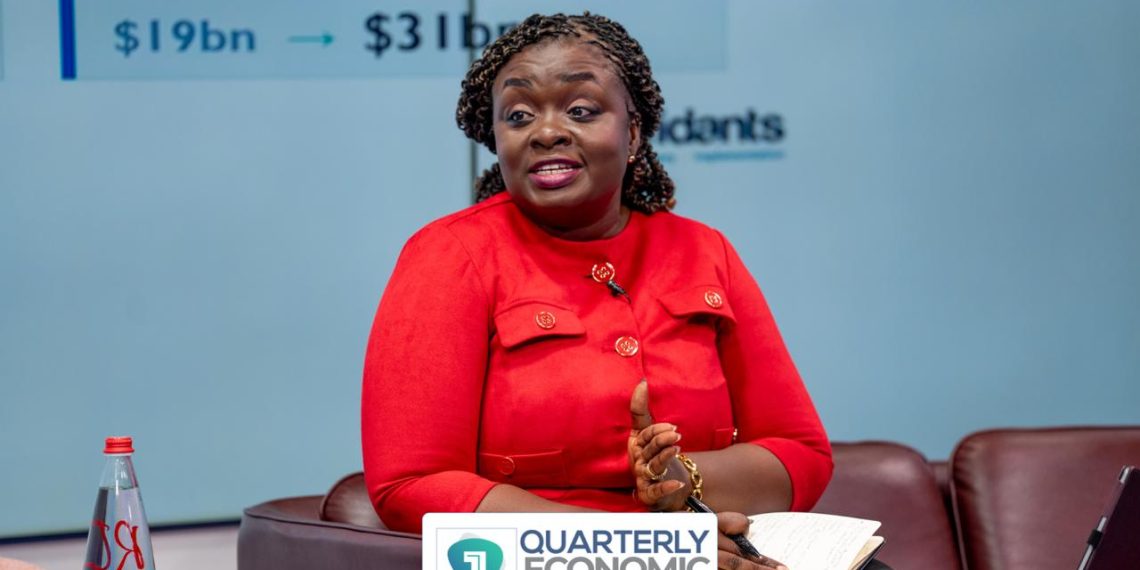
Speaking at Channel One TV‘s second Quarterly Economic Outlook, Prof. Gyeke-Dako said while Ghana has made significant progress in stabilising the economy, the recovery remains fragile and requires deliberate policies to drive inclusive growth and higher productivity.
She argued that the next phase of Ghana’s economic management should focus on translating recent macroeconomic gains into tangible improvements at the microeconomic level.
“We need measures to sustain the gains we have made and think about sectors that will promote growth. We need to be very intentional so that the macro-correction will translate into microeconomic distribution,” she said.
Ghana continues to record improvements across several key macroeconomic indicators.
Headline inflation has declined to 5.3%, the Monetary Policy Rate has been reduced to 14%, while the average lending rate has eased to about 16%. The cedi has also stabilised at around GH¢11 on the interbank market and about GH¢12 on the retail foreign exchange market.
In addition, Gross International Reserves have increased to US$14.4 billion, providing about 5.7 months of import cover, while Ghana has successfully completed its US$3 billion IMF Extended Credit Facility programme and transitioned to a 36-month non-financing Policy Coordination Instrument (PCI).
Despite these improvements, Prof. Gyeke-Dako cautioned that stronger macroeconomic fundamentals alone do not automatically translate into improved living standards.
For her, there is typically a time lag before businesses and households begin to experience the full benefits of economic stabilisation.
“The micro-level impact will take time before people fully experience it. There is stability now, but if we channel the right measures into the right sectors, the benefits we expect will gradually be realised,” she added.
She added that government should now prioritise sectors capable of stimulating investment, expanding productive capacity and creating sustainable employment to ensure that the current macroeconomic recovery evolves into broad-based economic prosperity.
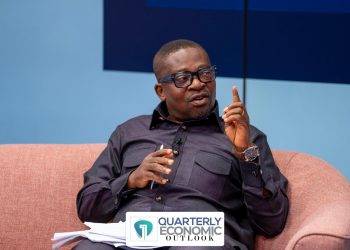
The Channel One TV‘s Quarterly Economic Outlook, was themed “A Mid-Year Review of the Ghanaian Economy: Measuring Progress, Identifying Risks and Charting the Way Forward.”
It brought together economists, bankers, policymakers and private sector leaders to assess Ghana’s economic performance, identify emerging risks and discuss policy priorities for sustaining growth and improving living standards.