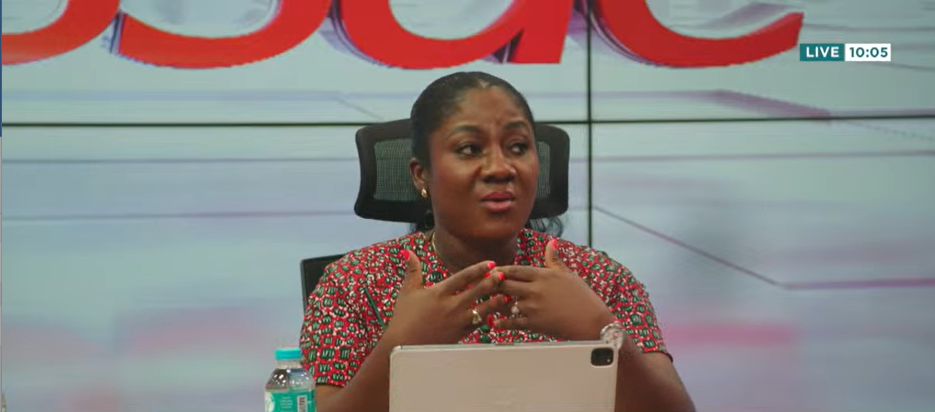
Spokesperson for the NPP’s Gender and Social Protection Committee, Akosua Manu, has called for sanitation to be incorporated into Ghana’s 24-hour economy agenda, arguing that a structured shift system could help address persistent waste management challenges.
According to her, adopting a 24-hour sanitation model would create employment opportunities while ensuring continuous cleaning of drains, desilting activities and waste evacuation across communities.
Speaking on Channel One TV’s The Big Issue on Saturday, July 11, she argued that sanitation challenges require more than public participation in clean-up exercises, stressing the need for long-term structural solutions.
She explained that while citizens have a role to play in maintaining clean communities, the country must also address institutional and systemic gaps affecting sanitation management.
“Yes, we are all involved, we are all responsible, but there is a structural problem,” she said.
Her comments come after the nationwide National General Cleaning exercise, which saw residents, state agencies and other stakeholders clearing drains and removing waste in flood-affected communities.
Akosua Manu warned that without proper systems to evacuate waste after clean-up exercises, the country risks creating another sanitation challenge, with heaps of refuse left on roadsides becoming a further environmental concern.
The NPP spokesperson also questioned the effectiveness of existing arrangements for managing routine sanitation and drainage works, calling for stronger coordination among institutions responsible for environmental management.
“Do your 24 hour shift system, put people into desilting, cleaning and rubbish collection. Create avenues there,” she added.