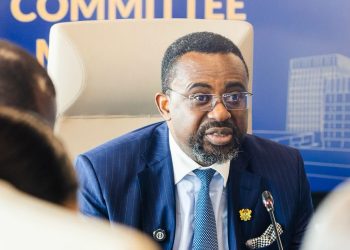
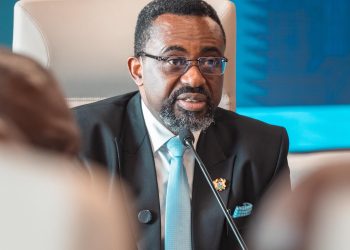
A Professor of Economics at the Kwame Nkrumah University of Science and Technology (KNUST), Prof. Mohammed Hadrat Yusif, has called for a comprehensive review of key economic governance laws to enhance fiscal discipline and improve monetary policy effectiveness in Ghana.
 He wants both the Bank of Ghana Act and Fiscal Responsibility Act amended—citing the 10% borrowing cap and 5% deficit limit as outdated constraints on fiscal flexibility.
 According to Prof. Hadrat Yusif, these legal provisions have not effectively compelled governments to exercise prudent fiscal management.
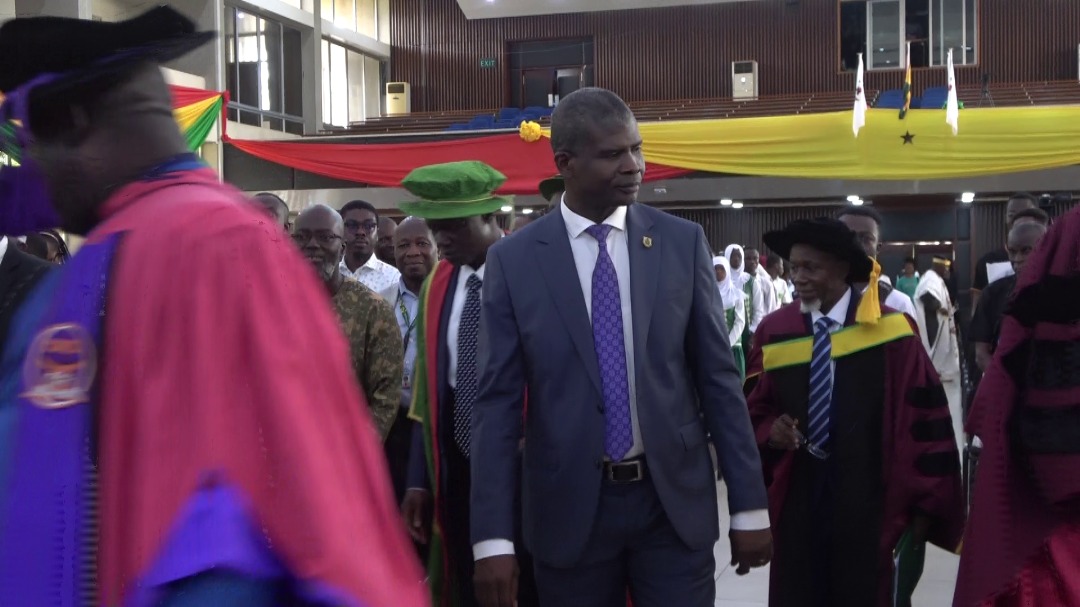
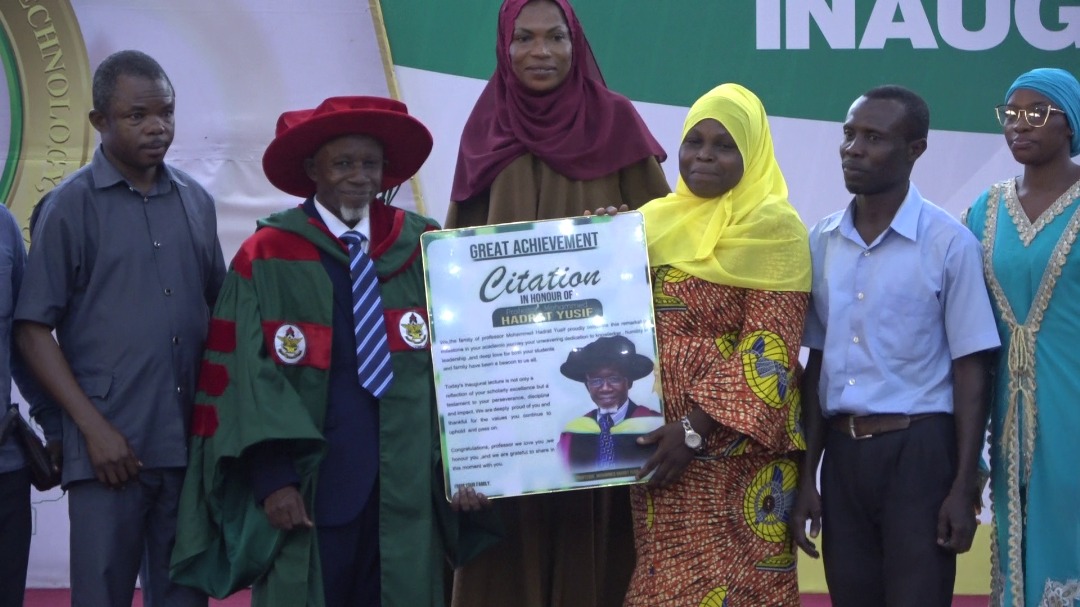
Delivering his professorial inaugural lecture on the theme “Monetary Policy in Ghana: Revisiting the Tobin Model,” he argued that weak compliance with these laws has undermined Ghana’s macroeconomic stability.
He also urged the Bank of Ghana (BoG) to deepen collaboration with universities and research institutions to develop innovative, data-driven strategies for more effective monetary policy implementation.
“The BoG should work with academic and research institutions to develop creative research programmes that respond to its pressing needs,” he said.
 As part of his wide-ranging recommendations, Prof. Hadrat Yusif proposed the promotion of public-private partnerships (PPPs) for infrastructure development, which he believes would ease the fiscal burden on government, inject innovation, and speed up project execution.
He also stressed the need for stronger support for local businesses, particularly small and medium enterprises (SMEs), to enable them to harness the full benefits of the African Continental Free Trade Area (AfCFTA). He recommended cost-effective funding schemes for SMEs, citing the Bank of England’s Term Funding Scheme as a model worth emulating.
 On monetary policy, Prof. Hadrat Yusif called for a shift from inflation targeting to nominal GDP targeting, suggesting it would better align monetary goals with real economic growth.
“Nominal GDP targeting — which involves setting a target for the growth rate of nominal GDP (inflation plus real GDP growth) — could help stabilize the labour market, increase real output, and strengthen the financial system,” he explained.
He was, however, critical of political interference in the central bank’s operations, stating:
“Monetary policy in Ghana has largely failed, but the blame should not rest solely on the Bank of Ghana. There has been consistent Ministry of Finance dominance over the BoG since independence. For monetary policy to succeed, the central bank must operate with true independence.”
Prof. Hadrat Yusif concluded by calling on the government to prioritise building economic resilience, ensuring price and interest rate stability, and taking deliberate steps to define Ghana’s economic future.