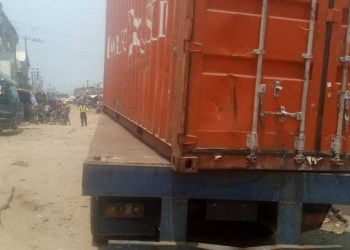
Ghana’s ambition to operate its ports on a continuous 24/7 basis is both timely and critical for enhancing trade competitiveness, improving cargo throughput, and positioning itself as a premier maritime gateway in West Africa. However, achieving a truly round-the-clock port economy demands deliberate investment, strategic reforms, and operational alignment across all sectors of the port ecosystem.
The Infrastructure and Superstructure Prerequisites
A foundational requirement for 24/7 operations is the readiness and resilience of port infrastructure and superstructure. Critical marine assets such as rubble mound and vertical breakwaters must be structurally sound to offer safe harbor conditions. Likewise, access channels must be dredged regularly to prevent sedimentation and accommodate post-Panamax vessels. Quay walls—whether of caisson or block construction—piers, dolphins, bollards, fenders, vertical ladders, and gutters must be maintained in optimal condition to ensure vessel berthing safety and efficiency.
Equally, port handling equipment such as Ship-to-Shore (STS) cranes, straddle carriers, reach stackers, Rubber-Tyred Gantry (RTG) cranes, conveyor belts, and Mafi trailers/goosenecks must be kept in excellent working order. High equipment availability and reliability directly translate into quicker vessel turnaround times and reduced demurrage costs.
Transit sheds require design features that support seamless cargo flow: large side gates parallel to the quay, sufficient vertical clearance for forklift maneuverability, integrated sprinkler systems for fire safety, and rail connectivity to facilitate intermodal transfers. The absence of any of these components creates bottlenecks in the cargo handling process.
Enhancing Operational Efficiency and Performance Indicators
The robustness of these infrastructure elements is crucial in achieving high operational performance indicators—such as crane productivity, dwell time, and berth occupancy ratios—which collectively attract shippers to Ghana’s ports. The country’s seaside operations already benefit from well-sheltered waters and deep berths, allowing for efficient pilotage and towage services. However, landside operations require urgent attention.
Key regulatory inspections—such as phytosanitary checks, port state control, and flag state control—demand increased staffing to support 24-hour enforcement. The continuous movement of cargo must focus on four pillars: loading/unloading, storage, receipt and delivery, and inter-terminal or hinterland transfer.
Bridging Operational Gaps
While container loading and unloading operations are technically ongoing, full implementation across all cargo types—containerized, break-bulk, general, and dry/liquid bulk—is yet to be achieved. For instance, the absence of rain-proof conveyor belts significantly impedes productivity during inclement weather, elongating ship stay times. In such cases, the Ghana Ports and Harbours Authority (GPHA) must explore private sector investment to fill infrastructure gaps.
Currently, the majority of Mafi trailers and goosenecks under GPHA management are non-functional, leading the authority to outsource these services at considerable expense. Privatizing this segment of operations would not only reduce costs but also create private-sector employment opportunities in logistics, including drivers, technicians, and equipment handlers. Dedicated road lanes for these trailers would further streamline cargo transfers.
On a positive note, shipping documentation processes have transitioned smoothly into a digital environment, enabling 24/7 online access for trade facilitation. However, this progress must be complemented by full-time customs operations. Presently, Customs officers at key terminals—such as the Tema Bonded Terminal and Golden Jubilee Terminal—halt activities at 5:00 PM, undermining the round-the-clock model. To rectify this, the government must recruit and deploy additional Customs officers across all operational shifts.
Stakeholder Readiness and Integration
Freight forwarders, spare parts dealers, and automobile importers stand to benefit significantly from 24/7 customs clearance. Shift-based staffing models will allow logistics companies to process consignments overnight, avoiding demurrage fees and enhancing consumer affordability. The knock-on effect is an anticipated rise in employment across the logistics value chain.
Truck demand in Tema and Takoradi remains high, and round-the-clock operations will intensify this demand. The government must implement robust security measures to protect high-value cargo in transit, especially at night, to reassure shippers and ensure safe corridor movement.
Financial institutions have made strides with 24/7 digital payment platforms. Yet, establishing limited-service desks within port premises for night transactions would further support seamless cargo processing.
Policy and Coordination Imperatives
To successfully implement 24/7 port operations, GPHA must ensure inter-agency coordination and enforce service level agreements to hold stakeholders accountable. The greatest operational challenge lies in the interconnection and transfer phase. Ghana’s current unimodal transport system—heavily reliant on road—creates logistical rigidity. With the railway network still non-operational, hinterland connectivity remains inefficient and uncompetitive.
Developing a functional multimodal transport system that integrates rail, road, and inland waterways will be essential for unlocking the full potential of 24/7 port operations.
Conclusion
Transitioning to a 24/7 operational port model in Ghana is more than a logistical ambition—it is a strategic necessity. When fully implemented, it will not only improve trade efficiency and double cargo throughput but also create substantial employment opportunities, reduce logistics costs, and position Ghana as a regional trade hub. Achieving this vision will require a combination of infrastructure investment, public-private partnerships, regulatory reform, and institutional commitment.
–
Writer: Evans Ago Tetteh, Ph.D. | Department of Transport, Regional Maritime University | Regent, Kpone-Sebrepor.