Commercial transport operators have rescinded their earlier opposition to the GHC1.00 levy imposed on petroleum products.
According to the operators, their change in stance follows a better understanding of the rationale behind the levy, which the government clarified during recent negotiations.
The levy, they were told, forms part of broader efforts to stabilise the energy sector.
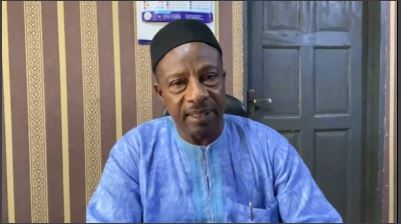
Speaking to Citi News on Friday, June 13, the Industrial Relations Officer of the Ghana Private Road Transport Union (GPRTU), Abass Imoro, expressed hope that the government’s promise of further fuel reductions will be honoured.
“I said there wasn’t any engagement, hence we stood against the GHS1 levy on the fuel. After engaging the Transport Ministry, we finally accepted the GHS1, hence we have to come out and speak to the fact that we have withdrawn from the earlier stand that we took.
“We have now allowed the GHS1 deduction. With the difficulties that the government is facing, they by all means have to get money and make sure we will not revisit the dumsor. We understood where they were coming from, so we finally agreed to that. They promised further fuel reduction, and we are hoping that it happens that way,” he said.
Parliament approved the Energy Sector Levy (Amendment) Bill, 2025, introducing a GHS1 increase in the levy on petroleum products.
The measure is expected to generate an additional 5.7 billion Ghana Cedis in revenue to help reduce energy sector debts and support a stable power supply.
According to Finance Minister Dr. Cassiel Ato Forson, the energy sector debt currently stands at $3.1 billion and $3.7 billion is required to clear the arrears fully.
He further stated that the government needs an additional $1.2 billion to procure fuel for thermal power generation for the year 2025.
Over GH¢548m lost to ‘ghost names’ in NSA scandal — Attorney General