Engineering careers are often described in terms of positions held or projects completed. In practice, influence in technical fields develops more gradually — through judgment, analytical depth, and the ability to guide complex discussions toward workable outcomes. For Felix Adabla, that process has unfolded over time, shaped by academic rigor, applied engineering work, and increasing responsibility within professional forums.
Felix’s technical foundation was established at Kwame Nkrumah University of Science and Technology (KNUST), where he earned a B.Sc. in Electrical and Electronic Engineering between 2015 and 2019, graduating with First Class Honors. During his undergraduate years, he received the Excellent Student Award in the College of Engineering for two consecutive academic years.
Alongside coursework, Felix took on peer-facing roles within the engineering faculty. He served as a Tutor under the Academic Committee, supporting junior students in core engineering subjects, and later as Deputy Chairman of the Engineering Volunteering Committee, where he was involved in coordinating student-led technical and professional initiatives. These responsibilities placed him in positions that required evaluation, coordination, and oversight rather than individual execution alone.
In his final year at KNUST, Felix Adabla was selected as Group Leader for a four-member engineering capstone team that undertook the design and implementation of a bamboo-structured unmanned aerial vehicle (UAV) for agricultural monitoring. The project explored how locally available materials could be integrated into functional aerial systems without compromising operational reliability. Felix led system architecture, electrical integration, and testing, coordinating the efforts of his teammates while balancing theoretical constraints with practical limitations.
Video documentation of the project shows the UAV in operation, demonstrating stable flight and system control despite the unconventional structural material. While the project was not pursued as a competitive entry, it was recognized within academic circles as an example of applied engineering problem-solving grounded in resource awareness.
Transition into Professional and Research-Driven Engineering
After completing his undergraduate studies, Felix Adabla transitioned into professional engineering roles within the industrial and energy systems domain, where he became involved in complex electrical infrastructure, system reliability, and performance optimization in large-scale operational environments. Over time, his work expanded from execution to analysis, engaging with system documentation, quality control, and cross-functional technical coordination.
This progression informed his return to advanced academic research at the graduate level, where Felix’s research focused on reliability challenges in power electronic converter systems, an area central to modern manufacturing, energy management, and electrification. His work culminated in an accepted thesis and later into a peer-reviewed IEEE journal publication titled:
“Methodological Framework for Optimizing the Reliability Improvement of Power Electronic Converter Systems: Mathematical Problem Formulation and Optimization Approach.”
The paper presented original analytical methods and optimization strategies aimed at improving power electronic converter reliability at the component level, contributing to ongoing discourse in electrical engineering research and practice.
Recognition Through Industry Leadership
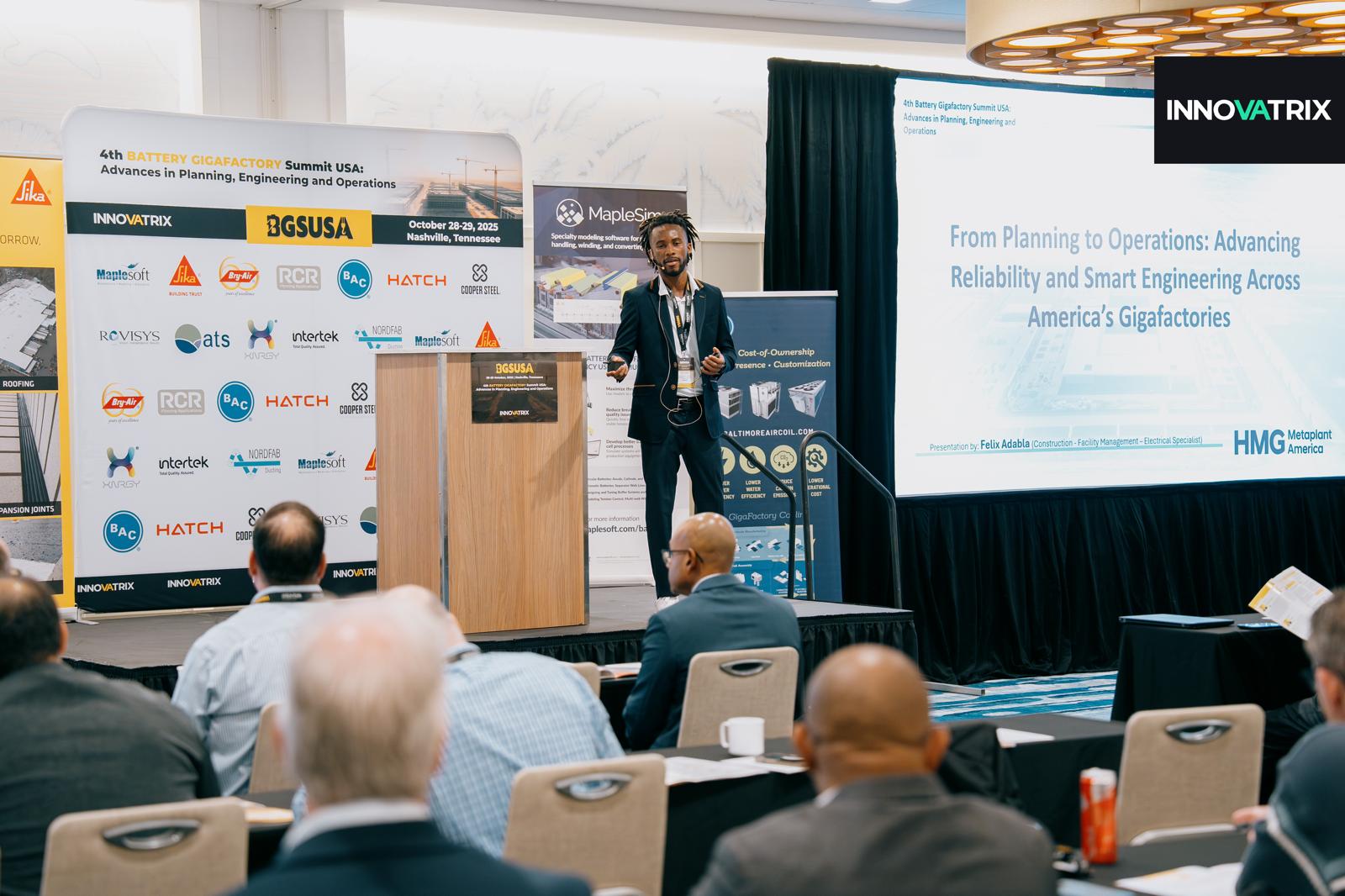
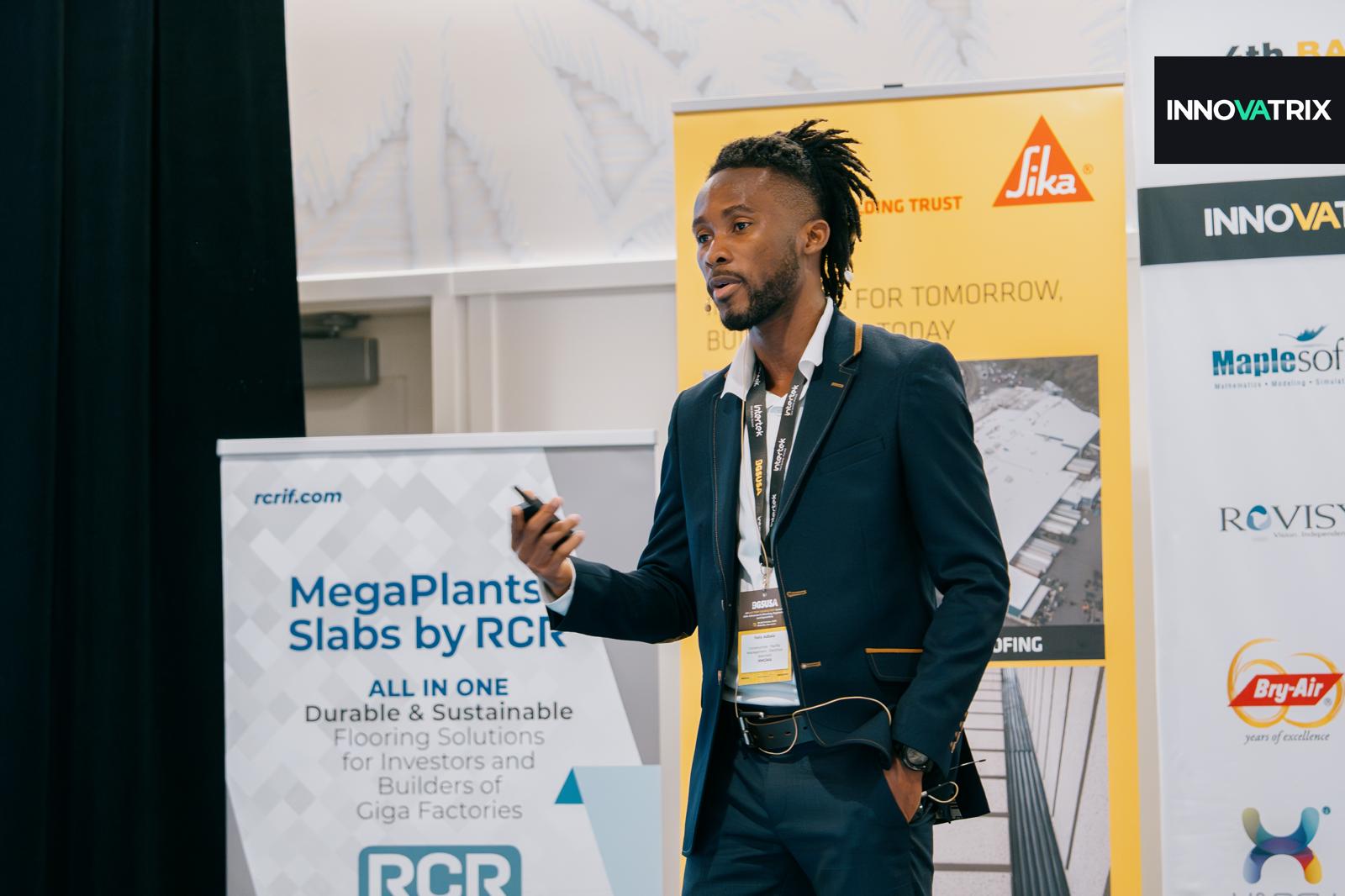
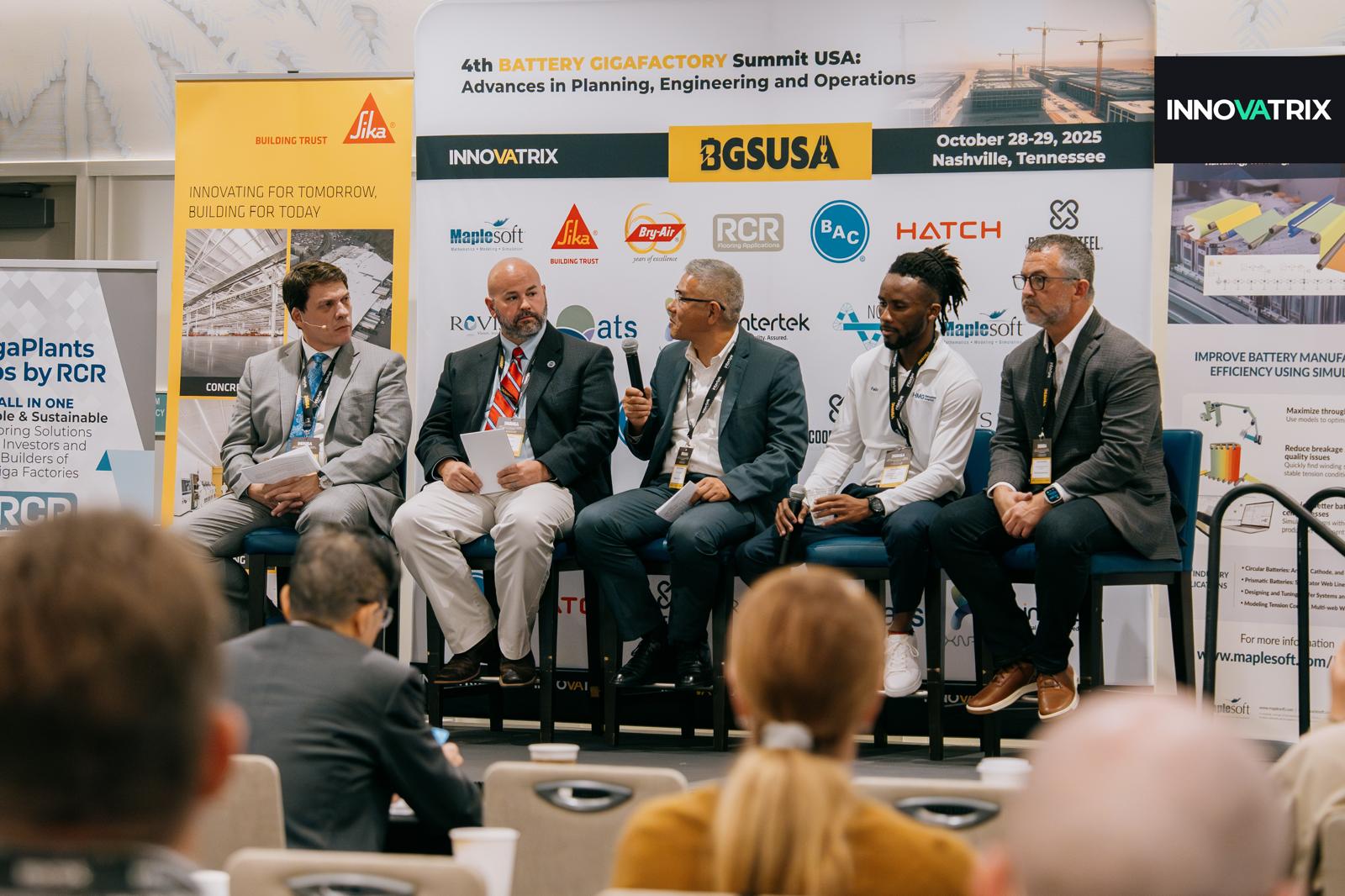
As his technical profile matured, Felix Adabla began receiving invitations to participate in industry and engineering summits as a speaker and panelist. These roles extended beyond presentation into moderation and evaluation. He has participated in forums including the 3rd Edition of the Future of U.S. Battery & Cleantech Gigafactories Summit on Engineering, Construction & Energy Management; the 4th Battery Gigafactory Summit USA: Advances in Planning, Engineering and Operations; and the 4th Excellence in Construction, Design and Engineering of EV and Battery Factories Forum for North America; engaging in discussions on advanced manufacturing, energy systems, and infrastructure reliability.
In several instances, Felix Adabla was entrusted with moderation and chairmanship responsibilities, guiding panels composed of senior engineers, executives, and technical specialists. His contributions in these settings focused on synthesizing perspectives, evaluating engineering approaches, and facilitating structured technical dialogue.
Today, Felix Adabla’s work sits at the intersection of industrial engineering practice, applied research, and professional leadership. His progression from undergraduate academic leadership to peer-reviewed research and participation in international industry forums reflects a career shaped by continuity, increasing responsibility, and sustained technical engagement.