In the ever-busy streets of Accra, where public transport vehicles, “tro-tro”, honk through endless traffic and market women haggle over every cedi, fuel prices are more than numbers on a pump; they are the heartbeat of daily life and the economy. As of mid-January 2026, Ghana’s downstream petroleum sector is alive with drama.
International crude prices have dipped, the cedi has strengthened sharply, and prices at the pump have tumbled into single digits. Star Oil is selling petrol at GH¢9.97 per litre, GOIL at GH¢9.99, and diesel around GH¢10.97, a welcome dip from over GH¢14 in the latter part of 2024. Yet, the spotlight is on the controversial price floor, the National Petroleum Authority (NPA)’s regulatory minimum below which Oil Marketing Companies (OMCs) cannot sell.
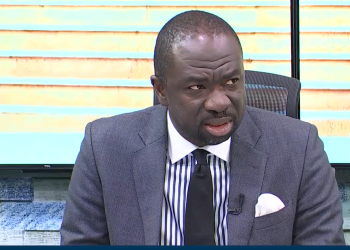
The Chief Executive Officer (CEO) for Star Oil, Philip Tieku, recently sparked fresh debate, hinting his company could offer petrol as low as GH¢9.50 per litre during off-peak hours (10 p.m. to 4 a.m.) to boost the night economy if the price floor disappeared. The NPA, however, stands firm, insisting the mechanism is vital for market sanity and long-term stability.
This is no small squabble over pennies. It is a high-stakes clash between immediate consumer relief, business survival, and subtle political undercurrents. With voices like Tieku and COPEC’s Duncan Amoah pushing for abolition, let us break down the arguments, look at the fresh data, and settle on a side. Spoiler: The issue is far from black-and-white, but the evidence leans one way.
WHAT IS THE PRICE FLOOR, REALLY?
Ghana fully deregulated its downstream sector in July 2015, ending government-set prices and subsidies that once drained the national budget. OMCs now price based on a formula covering global costs, exchange rates, taxes, levies, and margins. The NPA, as a watchdog, added the price floor in April 2024 as a safety net, a minimum ex-pump price to prevent destructive undercutting.
The goal of the price floor was basically to protect smaller OMCs from giants like Star Oil (which claimed 10.42% market share in the third quarter of 2025, edging out GOIL). Without it, efficient players could slash prices below cost recovery, force rivals out, then hike later – classic predatory pricing. Ghana has over 150 OMCs, and the price floor keeps supply chains steady and prices from wild swings.
WHY SCRAP IT? THE CASE FOR FULL FREEDOM
Abolition advocates have strong points. Consumers are already feeling relief from the cedi gains (from GH¢11.52 to GH¢10.90 in early January) and lower global refined products. Fuel Prices dropped over 3% on January 16, 2026 pricing window alone.
Mr. Tieku argues that the floor blocks true competition, preventing dynamic pricing – like off-peak discounts that could energise night shifts, deliveries, and urban life. With bulging reserves (enough for months of supply), why not let the market reward efficiency? Projections show potential further drops of up to 4.8% for petrol without the floor. For households where fuel devours 10-15% of budgets, that is meaningful savings. Critics call the floor “partial re-regulation” that stifles innovation in a supposedly free market.
WHY KEEP IT? THE RISKS OF CHAOS
The NPA and other industry players warn that the abolition of the price floor could cause more harm than good. The point is that predatory pricing lets big players dominate and then raise prices once competition thins. In the actual case, Star Oil’s rise happened under the regulated environment – removing safeguards now could accelerate monopoly risks, with top firms already holding over 20% combined share.
Erratic prices would hit transport, manufacturing, and the poor hardest, echoing the pre-2015 subsidy mess that cost billions. Historical volatility, like the 2014 cedi crash, shows buffers matter. Smaller OMCs, key for rural access, could vanish, disrupting supply. As recent analyses note, removal risks “erratic movements” and eroded confidence.
The NPA pushes back hard, calling calls to scrap it “strategically inadvisable” amid unfair practices.
THE DATA-DRIVEN VERDICT: KEEP THE FLOOR BUT MAKE IT SMARTER
Numbers tip the balance against full abolition. Short-term savings entice, but market shifts signal consolidation dangers. Star Oil’s dominance could explode unchecked. Welfare studies show unregulated markets often hurt the vulnerable more. Reserves provide stability now, but ditching the floor invites long-term chaos.
The smart path? Retain the floor for protection, but tweak it dynamically; lower during favourable booms, boost transparency, and curb abuse. This hybrid sustains competition without monopoly threats. Looking ahead, by 2030, it could evolve into a “green floor” tied to carbon offsets, merging stability with net-zero goals.
Ghana’s fuel story mirrors its broader economy: a delicate dance between market freedom and protective fairness. As prices ease, may this debate drive real progress and not just headlines. Floor or no floor—what is your take?
The writer, Samuel Ackom, is a Broadcast Journalist with Channel One TV and Citi FM