Ghana continues to face a significant housing deficit estimated at over 1.8 million units, a challenge worsened by affordability constraints that limit access to decent housing for many low- and middle-income earners, the Minister for Works and Housing, Kenneth Gilbert Adjei, has said.
According to the minister, rapid urbanisation has intensified the problem.
With more than half of the country’s population now living in urban areas—and projections indicating this could rise to over 72% by 2050—demand for housing in major cities such as Accra, Kumasi and Takoradi has increased sharply.
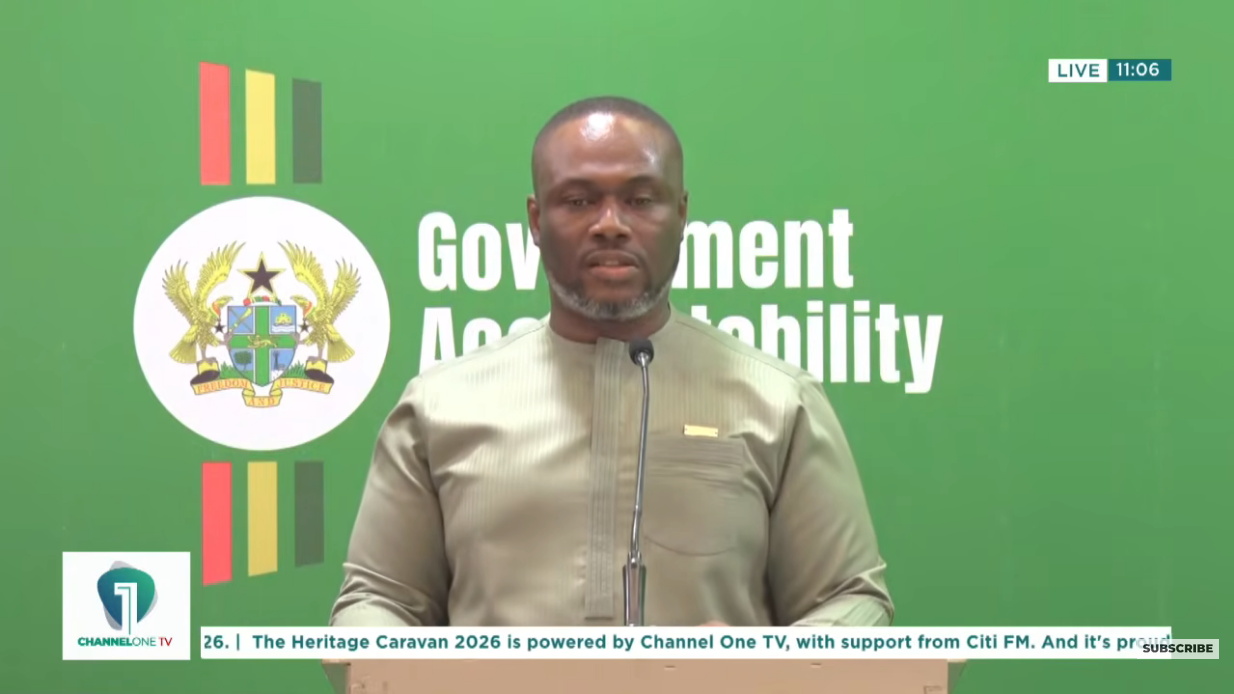
Speaking at the Government Accountability Series on Wednesday, January 28, 2026, the Minister for Works and Housing, Kenneth Gilbert Adjei, painted a grim picture of the country’s housing situation, warning that both supply constraints and affordability challenges continue to shut many Ghanaians out of decent housing.
“Ghana continues to grapple with a substantial housing deficit, currently estimated at over 1.8 million units. This gap is further exacerbated by widespread affordability challenges, which prevent a large portion of the population—particularly low- and middle-income earners—from accessing safe, secure, and dignified housing.”
He noted that housing supply has failed to keep pace with demand, leading to overcrowding, escalating property prices and the proliferation of informal settlements.
“This scenario underscores the urgent need for coordinated, forward-looking interventions that simultaneously address housing supply and affordability, while promoting sustainable urban planning to match Ghana’s evolving demographic realities,” he added.
IGP Yohuno promotes 17 officers for major drug and arms seizures