The Ghana Journalists Association (GJA) has declared the Bawku conflict area an early warning zone for press safety amid what it describes as escalating death threats and incitement to violence against journalists in the Upper East Region.
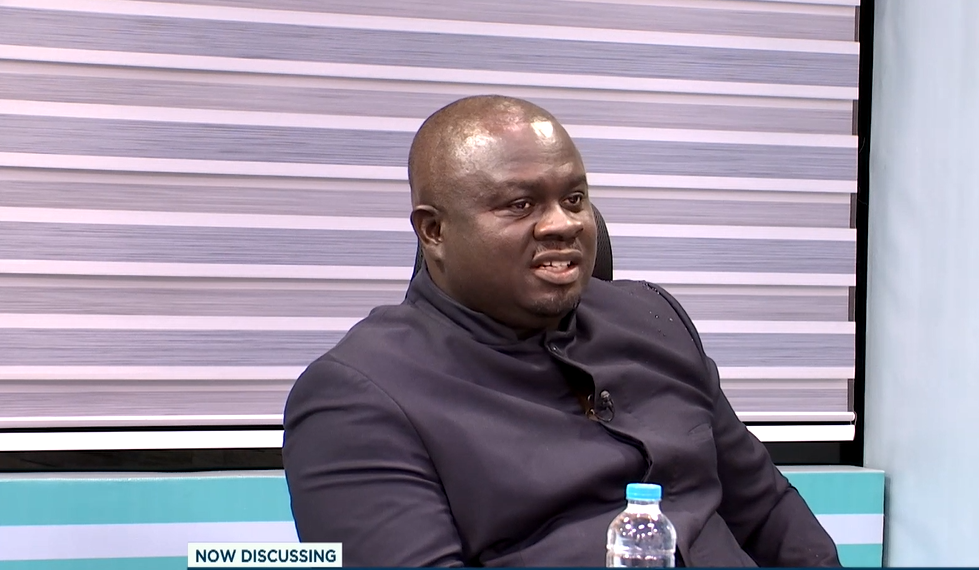
Addressing a press conference on January 28, the GJA President, Albert Dwumfour, expressed grave concern over threats targeting journalists covering the protracted Bawku conflict, particularly the Upper East Regional Chairman of the Association, Albert Sore.
According to the GJA, the threats include explicit death threats, coordinated online abuse and digital incitement, which it described as reckless, criminal and dangerous to public order and national security.
“The Association formally designates the Bawku conflict area as an early warning zone for press safety, requiring heightened vigilance, proactive security deployment, and continuous engagement with media practitioners on the ground. The GJA will not accept a reactive approach where action is only taken after harm has been done,” Mr. Dwumfour said.
The Association noted that journalists covering the conflict have been openly labelled as enemies and subjected to sustained intimidation through social media posts, voice notes, and other digital platforms, creating an atmosphere of fear that could escalate into mob violence if not urgently addressed.
“We therefore put the state on notice that any attack on a journalist in the Upper East Region, particularly where prior threats have been formally reported, will be treated as a direct failure of protection and will attract sustained national and international advocacy until accountability is secured. However, we reiterate our call for sustained protection, expedited investigations, and the arrest and prosecution of all persons issuing threats or inciting violence against journalists,” he added.
The GJA disclosed that it has received a detailed incident report from Mr. Sore, outlining how a professional journalistic engagement was allegedly distorted and weaponised by faceless and pseudonymous individuals to incite hostility and issue threats against him and other journalists.
It noted that similar threats have previously been directed at other media practitioners covering the conflict, pointing to a recurring pattern of intimidation aimed at silencing the media.
While acknowledging initial engagement with the Upper East Regional Police Command, the Association expressed concern that the persistence of the threats suggests existing security measures are inadequate. It therefore called for sustained police protection for affected journalists, expedited investigations into all reported threats, and the identification, arrest and prosecution of individuals and networks involved.
The GJA further urged the Ghana Police Service to publicly reaffirm its commitment to protecting journalists, stressing that threats or attacks against media practitioners will not be tolerated under any circumstances.
The Association said its National Executive has formally petitioned the Inspector-General of Police over the threats and reiterated that journalists are performing a constitutional duty in the national interest.