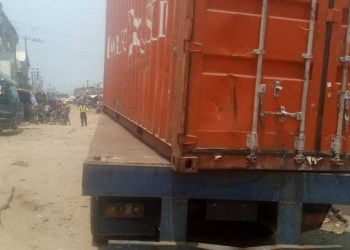
A student from West Africa Senior High School was killed while crossing the Madina–Adenta highway, sparking angry protests from residents who have long demanded safer pedestrian crossings. The tragedy reignited calls for the completion of footbridges along the stretch.
The student was struck by a speeding vehicle while attempting to cross the busy Madina–Adenta highway.
This location is notorious for pedestrian knockdowns, with over 100 deaths recorded since 2018 due to the absence of safe crossings and faulty traffic lights.
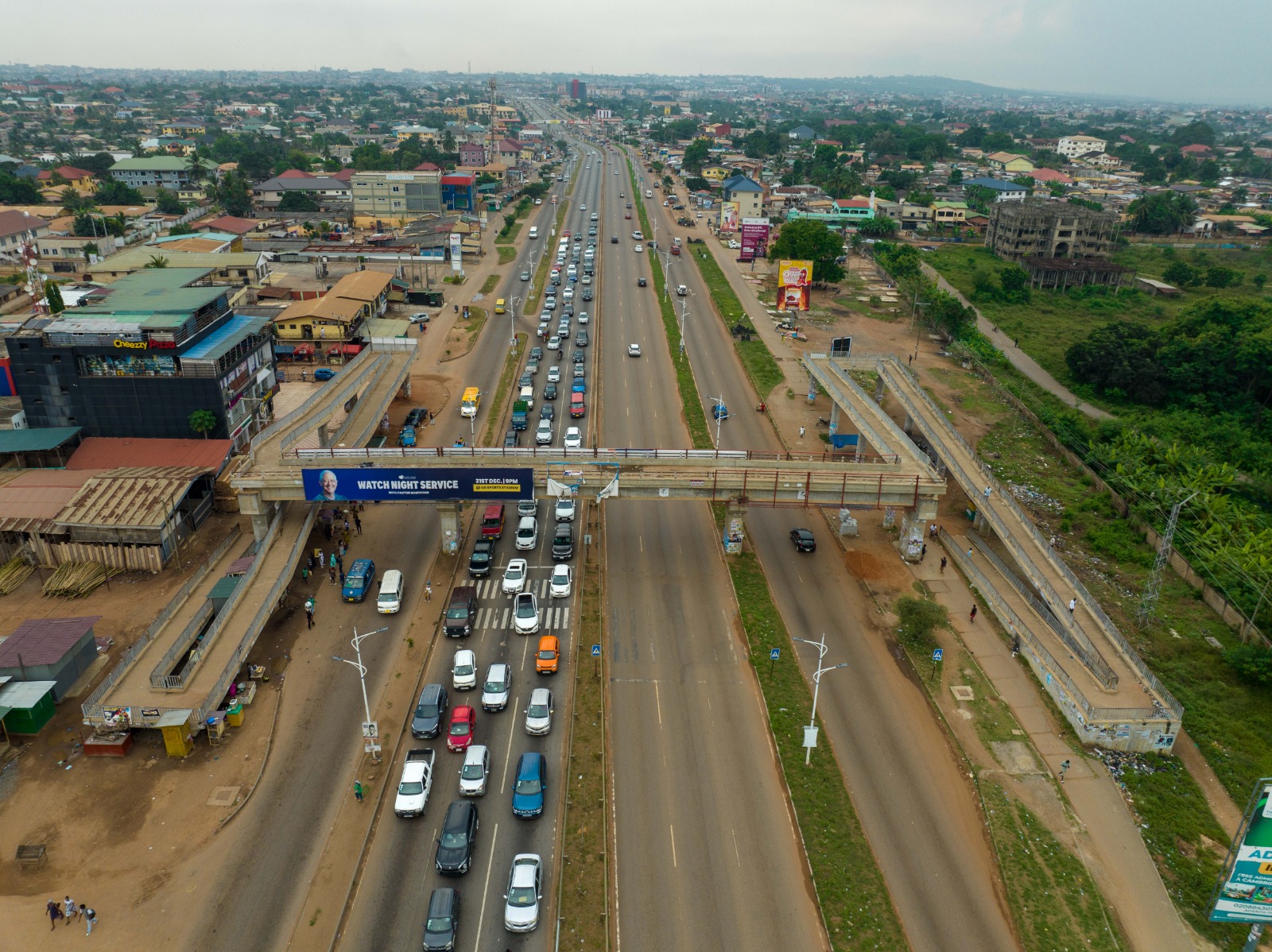 The accident occurred near one of the unfinished footbridges, intensifying public frustration.
Residents and students staged spontaneous protests, blocking the highway and burning tyres.
Demonstrators accused authorities of negligence, pointing to repeated promises to complete the footbridges.
The protests reflected years of pent-up anger over preventable deaths on the road.
The student was struck by a speeding vehicle while attempting to cross the busy Madina–Adenta highway. The footbridge was completed at Adenta W.A.S.S., but it is hardly used.
The question is why?
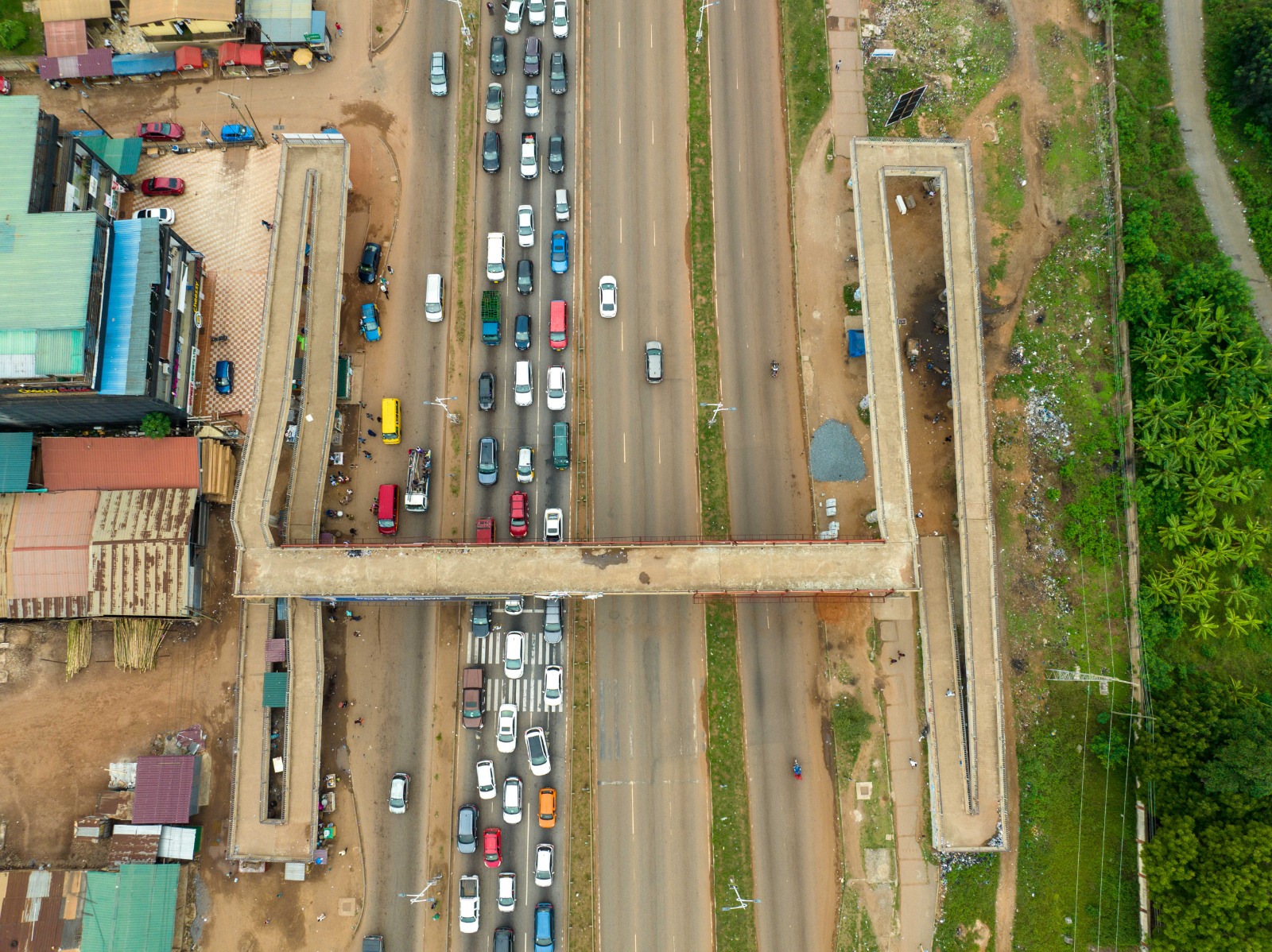 Here are the primary reasons why a completed footbridge might go unused, leading people to risk their lives on the highway:
- Inconvenient and Inaccessible Design
Location: The bridge may be positioned too far from the natural desire lines—the paths pedestrians naturally take (e.g., near bus stops, markets, or residential entry points). A long detour to access the bridge makes crossing at-grade seem faster.
Steep Ramps/Steps: Without proper ramps or with excessively steep stairs, the bridge becomes a barrier for the elderly, people with disabilities, those carrying heavy loads, or even students with bicycles.
Poor Lighting and Security: If the bridge is dark, enclosed, or feels unsafe, especially at night, pedestrians will avoid it due to fears of crime or assault.
- Perceived Time and Effort Cost
Speed of Highway Crossing: On a clear stretch, a sprint across multiple lanes can take 30-60 seconds. Climbing and descending a bridge can take 2-5 minutes. The perceived time penalty is significant.
Physical Exertion: The additional physical effort of climbing stairs, particularly in hot weather or for those not in peak condition, acts as a major deterrent.
- Systemic and Behavioral Factors
Lack of Enforcement and Barriers: If there are no physical barriers (fences, median rails) preventing at-grade crossing and no police enforcement of jaywalking laws, the risky behavior continues unchallenged.
“Herding” Behavior: People follow the crowd. If a few start crossing on the road, others will follow, normalizing the dangerous practice.
Normalization of Risk: After years of crossing the highway directly, it becomes a dangerous habit. The immediate, visible danger of cars becomes familiar, while the abstract benefits of the bridge (safety) are undervalued.

- Failure in Integrated Urban Planning
Faulty Traffic Lights: You mentioned faulty traffic lights. If signaled crosswalks were functional and respected by drivers, they might be a preferred alternative. The bridge is seen as the *only “safe” option, but one that is inconvenient.
Piecemeal Solutions: Completing one bridge in isolation, without a comprehensive plan for the entire corridor (multiple bridges, barriers, and enforcement), simply shifts the problem location rather than solving it.
Lack of Public Consultation: If the bridge’s design and location were decided without input from the daily users (residents, students), it likely fails to meet their practical needs.
In essence, the unused footbridge at Adenta Barrier W.A.S.S. is a symbol of negligence in design and implementation. It allows authorities to claim a problem is “solved” (a bridge is built) while the root causes—poor placement, user-hostile design, and a lack of supporting measures—remain unaddressed. The protests are not just about the absence of a bridge, but about the absence of a functional, safe, and humane pedestrian system.