
The government’s announcement of plans to rename Kotoka International Airport has reopened a national debate that goes far beyond signage and symbolism. What should have been a sober conversation about history, national identity, and institutional process quickly slid into partisan exchanges—an outcome that drew sharp criticism on the Citi Breakfast Show on Citi FM.
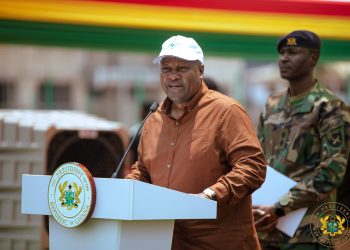
The discussion followed comments by Mahama Ayariga, the Majority Leader in Parliament, who confirmed that the government intends to effect the change through legislation to rename the facility Accra International Airport.
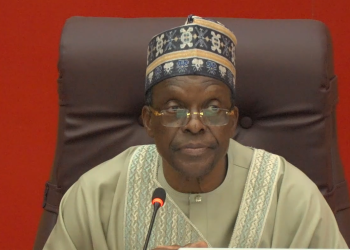
The proposal, however, met resistance from Alexander Afenyo-Markin, the Minority Leader, who questioned both the necessity of the move and the motivations behind it.
When Politics and Ethnicity Enter the Room
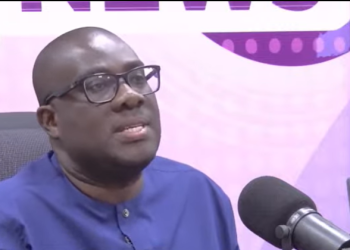
On the Citi Breakfast Show, panelists were unanimous in condemning the introduction of politics and ethnicity into the debate. Francisca Kakra Forson described what she called “subtle ethnic comments” as unnecessary and divisive, arguing that national decisions should never be framed in ways that pit communities against each other.
Her criticism was echoed by Samuel Attah-Mensah, who questioned appeals to regional or ethnic sentiments.
“Does he think if Voltarians are asked to change the name, they will choose Kotoka?” he asked, warning that such framing deepens division rather than resolves the issue.
Another panelist, Godfred Akoto Boafo, added that Ghana must reach a point where “tribal sentiments are removed from such conversations,” stressing that national honours should not be reduced to where one comes from.
He noted that many non-indigenes have contributed immensely to Accra and Ghana as a whole, yet are celebrated without controversy.
Accepting History: The Good and the Bad
A central theme on the Citi Breakfast Show was whether renaming the airport amounts to an attempt to erase history. Francisca Kakra Forson argued that Ghana must learn to live with the fullness of its past. “All aspects of our history are needed, both the good and the bad,” she said, adding that names and monuments are tools for storytelling, not selective memory.
Samuel Attah-Mensah reinforced this point by noting that countries often commemorate figures not because they were flawless, but because their stories provoke reflection. He cited examples of monuments and landmarks named after figures whose direct connection to Ghana may be limited, yet whose ideals or historical moments still spark conversation.
Listeners who sent messages to the programme, however, expressed strong views on the other side. Many argued that Kotoka’s role in Ghana’s coup history makes his continued commemoration inappropriate, particularly at the country’s main international gateway.
An Unnecessary Debate?
Another strand of the CBS conversation was whether the controversy itself had become disproportionate. Attah-Mensah suggested the country was “making too much of a big deal” out of the matter, arguing that if the government believes it has the mandate to change the name, it should do so and allow the nation to move on to more pressing concerns.
The host of CBS, Bernard Avle, acknowledged that naming issues stir deep emotions but reminded listeners that such debates are not unique to airports. Streets, schools and public institutions all reflect similar tensions, he said, urging Ghanaians to find ways to discuss these matters without tearing at the national fabric.
An informal poll on the show reflected the divide: co-hosts Caleb Kudah and Francisca Kakra Forson said they were largely indifferent to the name, while Samuel Attah-Mensah, Bernard Avle and Godfred Akoto Boafo favoured a change—illustrating how even informed voices differ on the issue.
Who Should Decide? Politicians or Institutions
Perhaps the strongest consensus on the Citi Breakfast Show was frustration with politicians dominating a conversation that panelists believe should be led by experts and institutions.
Godfred Akoto Boafo said he welcomed the debate but “minus the political actors,” arguing that decisions on national monuments and honours should originate from professionals in culture, history and planning.
Bernard Avle agreed, suggesting that politicians have been given excessive influence because society reacts so strongly to their cues. Attah-Mensah proposed empowering bodies such as the Mausoleum and Emoluments Board to research, consult and make recommendations, insulating such decisions from political heat.
A Mirror of National Identity
In the end, the Kotoka Airport renaming debate has become a mirror reflecting Ghana’s unresolved questions about history, identity, and how politics shapes public discourse. While the Majority Leader insists the change will follow due process and the Minority Leader raises concerns about motive and consequence, the Citi Breakfast Show discussion made one point clear: how the debate is conducted may matter as much as the decision itself.
Whether the name changes or not, the challenge for Ghana is to have these conversations without inflaming ethnic sentiment, trivialising history, or allowing politics to crowd out reasoned, inclusive dialogue—an aspiration many listeners felt the nation is still striving to achieve.
The Citi Breakfast Show, airing on Citi FM, continues to set the agenda on governance and public policy from Monday to Friday, 6:20am to 10:00am, bringing decision-makers, experts and the public into one national conversation.
Views and opinions on discussions can also be sent by email to [email protected] or via WhatsApp on 053 998 6996.