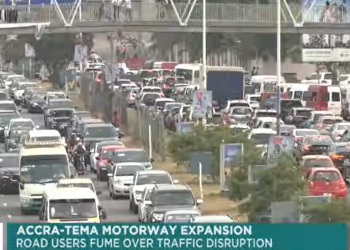
The Resident Engineer for the Accra–Tema Motorway reconstruction and expansion project, Kwabena Bempong, has urged motorists who ply the Accra-Tema Motorway to desist from using unapproved routes on the stretch.
He said driving on these illegal routes throws up large volumes of dust, which not only impairs drivers’ visibility but also increases the risk of anyone on the stretch contracting respiratory diseases.
He admitted that the construction has often led to some gridlock on the stretch, which some drivers have attempted to evade by using the untarred illegal stretches at high speeds, creating some inconvenience for road users.
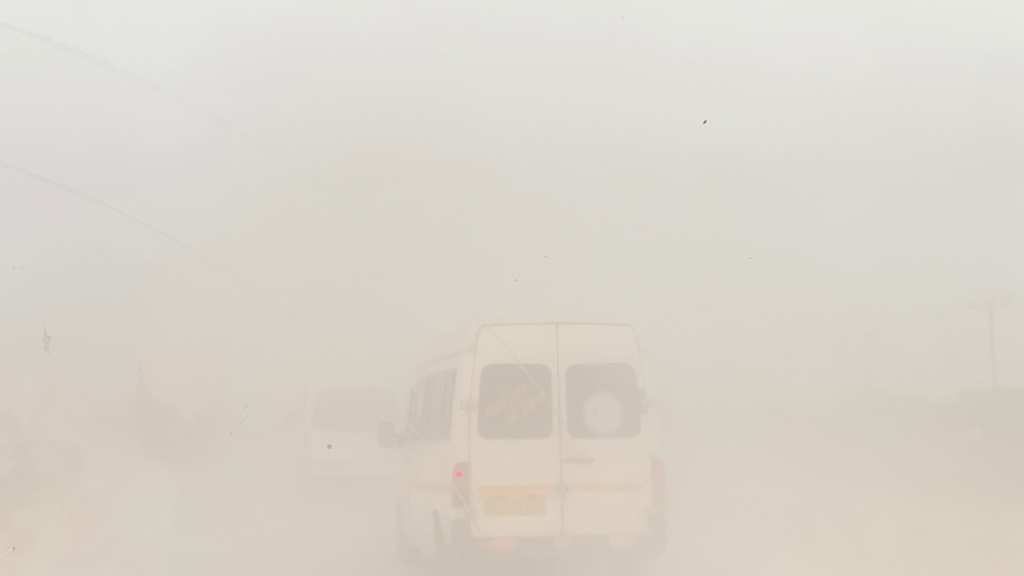
“The other challenge that we’ve had in the past is that we’ve done quite a lot in terms of the earthworks, and there are some recalcitrant drivers who try to use those roads. Those roads are not meant for driving currently,” he said.
“So that is where you see them driving at very fast speeds and generating a lot of dust. It is also not safe. So the contractor has been instructed to place New Jersey barriers there intermittently so that if you use that road, you will not get far. So I would advise motorists not to use the roads except those that have been provided for them.”
He said that while the use of these routes by the drivers won’t hurt construction efforts, the bigger problem of air pollution is a major concern for contractors.
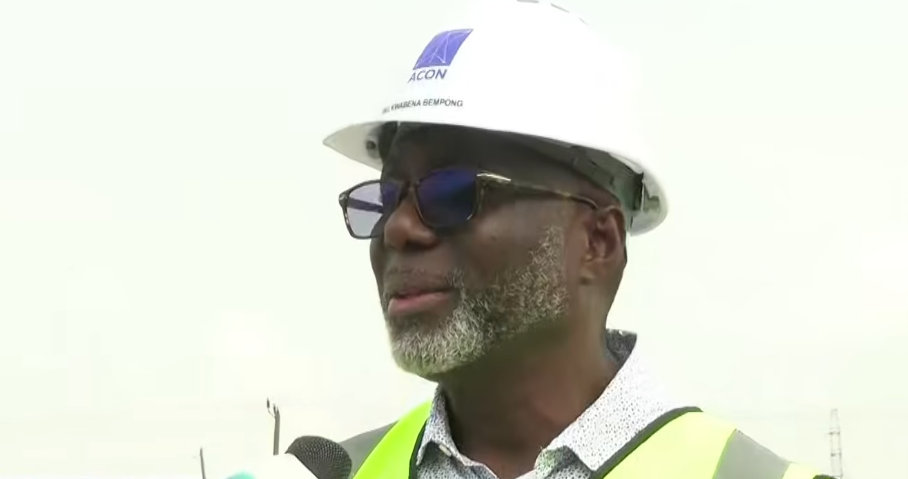
“So, these sites that they use with the earthworks, when they are using them, what is the effect, or what are the ramifications on this particular project? It will not have too much of an effect in terms of the structural capacity of the road. But then, it is the dust, the dust pollution. And once you pollute the environment, that is not good enough. So we would rather advise them not to use those roads,” Ing. Bempong added.
There has been a rise in complaints about the dust generated on the Motorway as work continues on the project, which is about 35% complete according to contractors.
Most people who use the road resort to wearing face masks or covering their faces with cloths or rolling up their windows at points where the dust clouds are worst.
This story was a collaboration with New Narratives. Funding was provided by the Clean Air Fund which had no say in the story’s content.